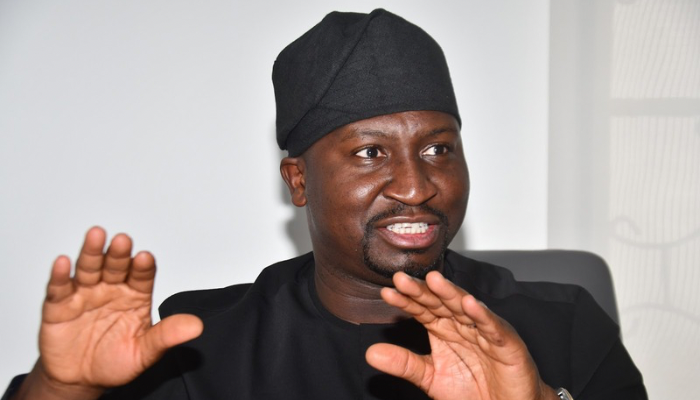

As the CEO of the National Agricultural Land Development Authority (NALDA), Engr. Cornelius Adebayo has emerged as a pivotal figure in Nigeria’s agricultural transformation. His recent initiatives, particularly the partnership with Agbeyewa Farms to tap into the $3.65 billion global cassava market, raise an important question: Is Engr. Adebayo the visionary leader Nigeria needs to revolutionize agriculture?
Driving Change in Agriculture
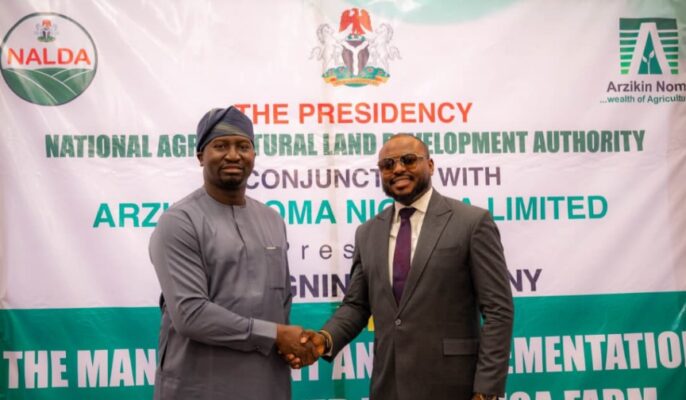
Engr. Adebayo’s leadership at NALDA comes at a crucial time when Nigeria’s agricultural sector faces numerous challenges, including underproduction and a lack of modern farming practices. His commitment to enhancing cassava production through innovative partnerships sets a new standard for agricultural development in the country. By signing a Memorandum of Understanding with Agbeyewa Farms, he demonstrates a clear understanding of the market potential and the necessity for collaboration in driving growth.
This initiative not only aims to increase cassava output but also seeks to empower local farmers. Engr. Adebayo’s approach emphasizes sustainable practices and community engagement, ensuring that the benefits of agricultural growth extend beyond mere numbers. His vision aligns with the broader goals of food security and economic upliftment for rural communities.
The partnership with Agbeyewa Farms is a testament to his proactive stance on agricultural development. By focusing on enhancing production capabilities and providing farmers with the necessary resources, Adebayo is laying the groundwork for a robust agricultural economy. This is particularly significant in a country where agriculture holds the potential to reduce poverty and create jobs.
A Legacy of Empowerment
Engr. Adebayo’s leadership is characterized by a strong commitment to empowering local farmers. His initiatives reflect an understanding that true agricultural development must involve those at the grassroots level. By facilitating access to quality seeds, training, and modern farming techniques, he is not just cultivating crops but nurturing a new generation of farmers who are equipped to meet both local and global demands.
Moreover, his focus on the $3.65 billion global cassava market highlights a strategic vision for Nigeria’s agricultural exports. Engr. Adebayo recognizes that tapping into this lucrative market can significantly enhance Nigeria’s economic landscape, generating income and creating jobs for countless individuals. His ability to connect local production with global opportunities illustrates a forward-thinking mentality that is essential for addressing the challenges of today’s economy.
Conclusion: A Vision for Agricultural Transformation
In conclusion, Engr. Cornelius Adebayo stands out as a transformative leader in Nigeria’s agricultural sector. His initiatives at NALDA not only aim to boost cassava production but also strive to empower local farmers and communities. The question remains: will his vision and leadership be the catalyst for a new era of agricultural prosperity in Nigeria?
As we look to the future, Engr. Adebayo’s approach exemplifies the type of leadership needed to navigate the complexities of modern agriculture. By focusing on sustainable practices, community empowerment, and market opportunities, he is paving the way for a brighter agricultural landscape in Nigeria.
FAQ Section
Who is Engr. Cornelius Adebayo?
Engr. Adebayo is the CEO of the National Agricultural Land Development Authority (NALDA), focused on agricultural development in Nigeria.
What initiatives has NALDA undertaken under Adebayo’s leadership?
NALDA has signed an MoU with Agbeyewa Farms to enhance cassava production and tap into the global market.
Why is cassava important for Nigeria’s economy?
Cassava is a staple crop with significant potential for food security, industrial use, and export opportunities.
How does Adebayo empower local farmers?
He provides access to quality seeds, training, and modern farming techniques to enhance productivity and livelihoods.