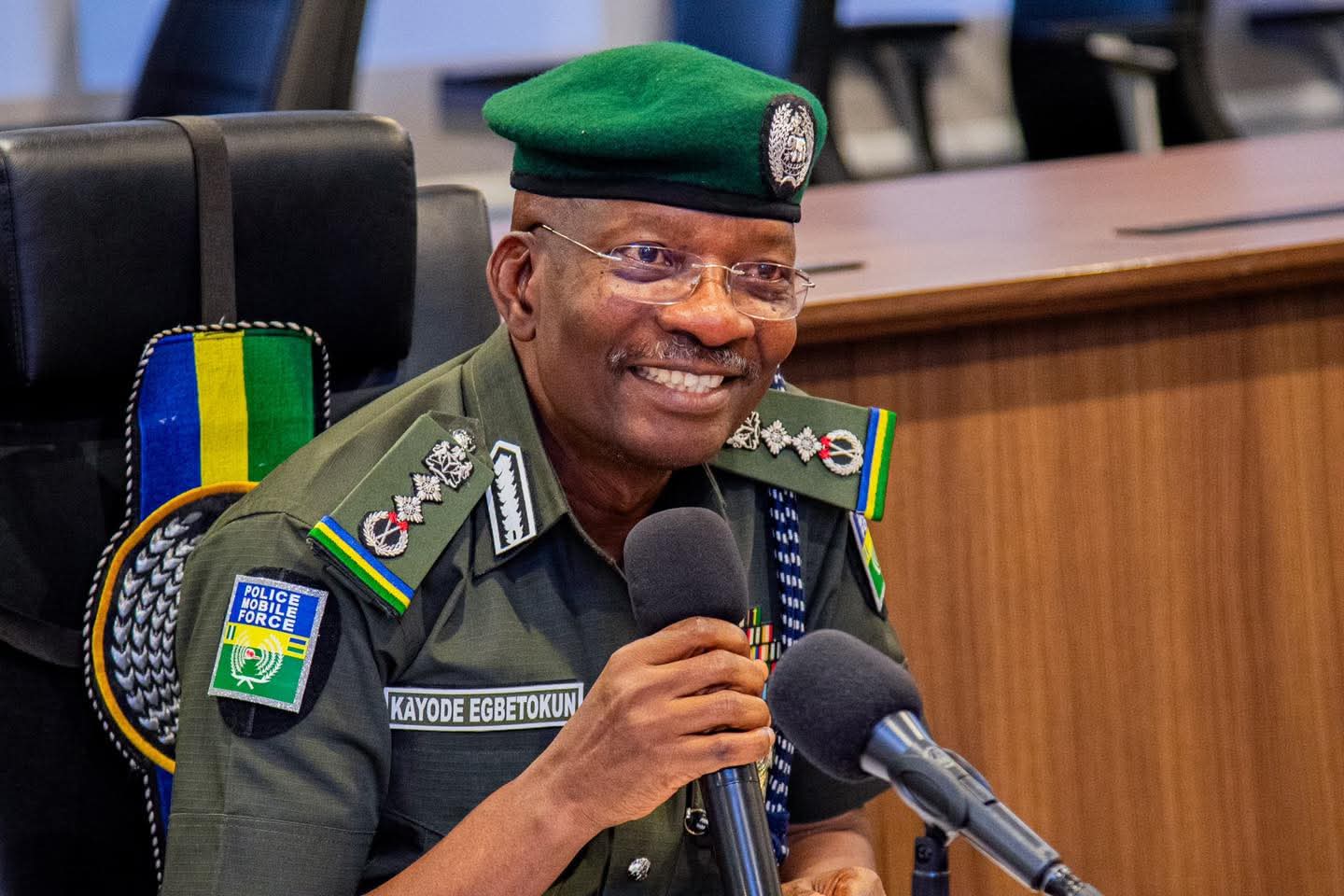
The Inspector-General of Police (IGP), Olukayode Egbetokun, has called for enhanced medical support systems for the Nigeria Police Force (NPF). This urgent request emphasizes the importance of providing police personnel with adequate healthcare to ensure their well-being and operational efficiency.
Importance of Medical Support for the NPF
IGP Egbetokun’s appeal for stronger medical support comes amid increasing awareness of the physical and mental strain faced by police officers. With the demanding nature of law enforcement work, officers often encounter high-pressure situations that can lead to both physical injuries and psychological challenges.
By improving medical support systems, the NPF can better cater to the health needs of its personnel. This initiative aims to provide timely medical intervention, ongoing healthcare services, and mental health support. IGP Egbetokun states, “A healthy police force is critical for ensuring effective law enforcement and community safety.” His assertion underlines the vital connection between officer health and successful policing.
Furthermore, the IGP’s call for improved medical services aligns with the broader goal of enhancing the police force’s capacity to serve and protect the citizens of Nigeria. Officers who receive necessary medical attention can perform their duties more effectively, ultimately contributing to a safer environment for the public.
Proposed Strategies for Implementation
To achieve a stronger medical support system for the NPF, IGP Egbetokun proposed several strategies focusing on accessibility and quality of healthcare services. First, establishing partnerships with healthcare providers can enhance the quality of medical care available to police personnel. Collaborations with hospitals and clinics will ensure that officers have access to comprehensive medical services.
Additionally, IGP Egbetokun emphasized the need for regular health assessments and wellness programs within the force. By promoting preventive healthcare measures, the NPF can identify and address health issues early, reducing the risk of serious medical conditions. This proactive approach can foster a culture of health and wellness among officers.
Mental health support is another crucial aspect of the proposed strategy. The IGP advocates for the incorporation of counseling services and stress management programs to help officers cope with the psychological challenges of their work. Providing access to mental health resources will not only improve officer well-being but also enhance overall operational efficiency.
Conclusion: IGP Egbetokun Calls for Better Police Medical Support
In conclusion, IGP Olukayode Egbetokun‘s call for stronger medical support systems for the Nigeria Police Force is a critical step toward ensuring the well-being of officers. By prioritizing health care, the NPF can improve its effectiveness and commitment to community safety.
As the demands on law enforcement continue to grow, robust medical support will be essential for the sustained success of the police force. A healthier police force will undoubtedly lead to safer communities across Nigeria.
FAQ Section
Why does the IGP seek better medical support for the NPF?
IGP Egbetokun emphasizes that enhanced medical support is crucial for the well-being of officers, leading to more effective law enforcement.
What strategies were proposed for better medical support?
Proposed strategies include partnerships with healthcare providers, regular health assessments, wellness programs, and mental health support.
How does officer health impact policing?
Healthy officers are more effective in their duties, which contributes to public safety and enhances community trust in law enforcement.
What role does mental health play in policing?
Mental health support helps officers cope with stress and trauma, improving their ability to perform under pressure.
How can the NPF collaborate with healthcare providers?
The NPF can establish partnerships with hospitals and clinics to ensure access to quality medical services for its personnel.