
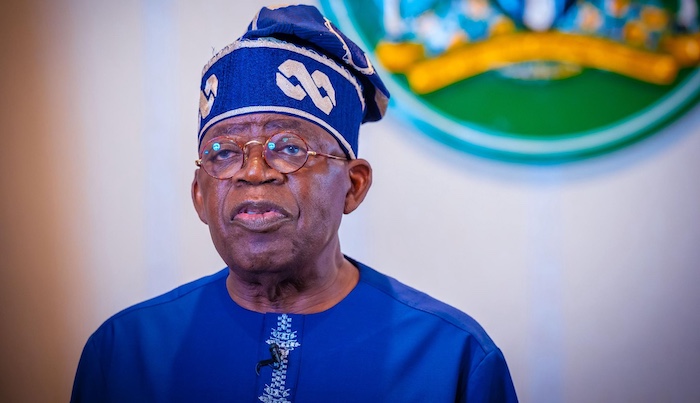
Daniel Bwala, the Special Adviser to President Bola Tinubu on Policy Communication, has expressed optimism about Nigeria’s economic outlook, citing the recent rise in the nation’s external reserves to $46BN (Billion Naira). He believes this milestone is a cause for celebration among Nigerians and suggests it reflects the government’s effective economic policies.
The Importance of External Reserves
External reserves play a crucial role in a country’s economy. They serve as a buffer against economic shocks, help stabilize the national currency, and reassure investors about the country’s economic health. With external reserves rising, Nigeria appears better equipped to handle global economic challenges.
Bwala highlighted that the increase in reserves should instill confidence among citizens. “This is good news for Nigeria,” he stated. “A robust external reserve is a sign of a resilient economy.” The adviser believes that this growth will enhance Nigeria’s creditworthiness and fiscal stability.
The external reserves are essential for safeguarding Nigeria against fluctuations in the global market. They enable the country to manage import needs, defend the naira, and fulfill international obligations. As the reserves grow, so does the potential for Nigeria to attract foreign investments.
Economic Policies Under Tinubu
The rise in external reserves can be attributed to various economic policies implemented by the Tinubu administration. Bwala mentioned that effective management of resources, increased revenue generation, and strategic investment have contributed to this positive development.
The government has been focusing on diversifying the economy, aiming to reduce reliance on oil revenue. By investing in agriculture, technology, and manufacturing, the administration seeks to create sustainable economic growth. Bwala believes these efforts will eventually translate to better living conditions for Nigerians.
Additionally, the administration’s focus on transparency and accountability has helped build trust among investors and citizens alike. This trust is critical for attracting both domestic and foreign investment, which can further strengthen the economy.
Implications for Ordinary Nigerians
The increase in Nigeria’s external reserves has several implications for ordinary citizens. A more stable economy may lead to job creation, improved public services, and enhanced infrastructure. As the economy strengthens, consumers can expect better purchasing power and reduced inflation.
Bwala stated that “Nigerians ought to be happy” about the growth in external reserves, indicating that it could improve the overall quality of life for citizens. However, he also emphasized the need for the government to continue working on policies that translate these reserves into tangible benefits for the public.
While the growth of reserves is promising, sustaining this momentum will require ongoing effort and strategic planning. The government must remain vigilant in its fiscal management to ensure that these gains are not short-lived.
Conclusion: A Positive Step Forward
In conclusion, the rise of Nigeria’s external reserves to $46bn is a significant achievement for the Tinubu administration. Under the guidance of Daniel Bwala, this milestone reflects effective economic policies and a promising outlook for the nation.
As Nigeria moves forward, maintaining and growing these reserves will be critical for fostering stability and economic growth. Bwala’s message is one of optimism, but it also emphasizes the importance of continued efforts to ensure that these gains benefit all Nigerians.
With a focus on responsible governance and strategic investment, there is potential for a brighter economic future for Nigeria. The increase in external reserves serves as a foundation upon which the country can build a resilient and thriving economy, benefiting its citizens for years to come.