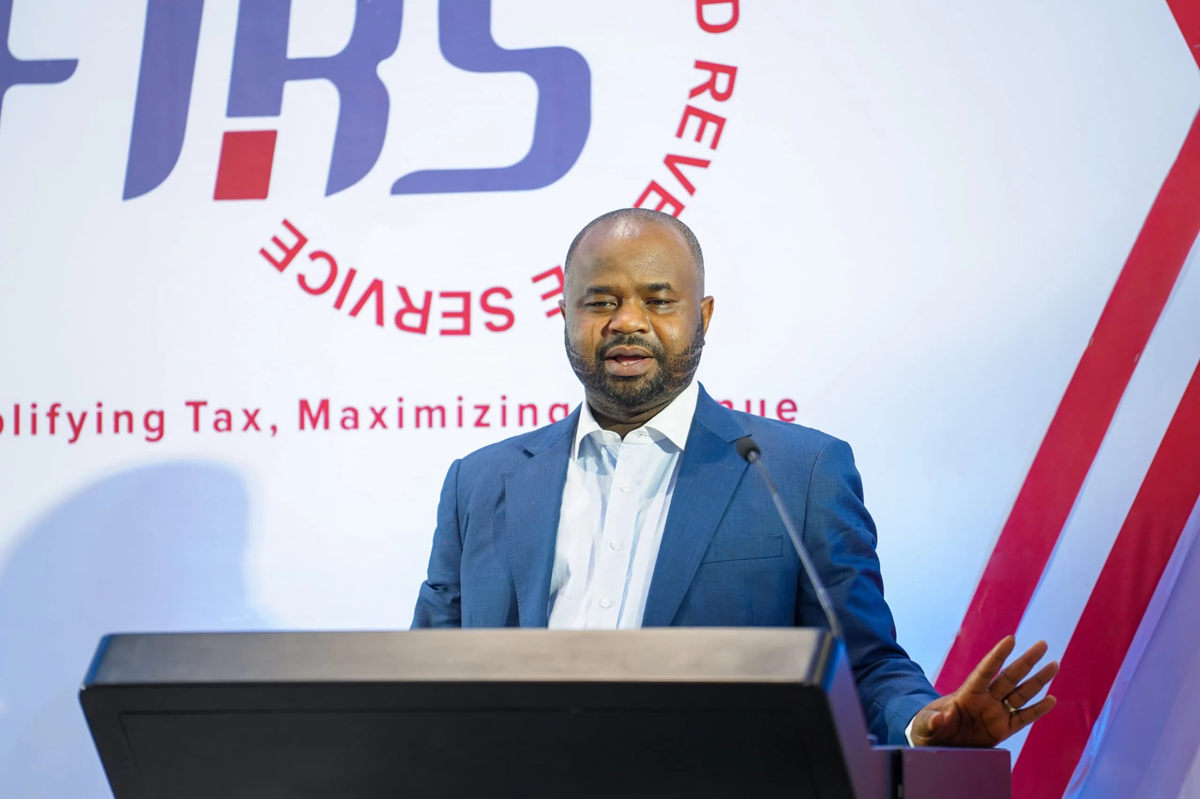
The transition of the FIRS to the establishment of the Nigeria Revenue Service (NRS) marks a pivotal moment in Nigeria’s tax administration. This transformation reflects a commitment to improving revenue collection processes and enhancing taxpayer services. Zacch Adedeji, the CEO of the Federal Inland Revenue Service (FIRS), has lauded the establishment of NRS as a seamless evolution that will benefit the nation.
Transitioning from FIRS to NRS
The transition from FIRS to NRS represents a strategic move to streamline Nigeria’s tax management framework. The NRS aims to enhance efficiency, transparency, and responsiveness in revenue collection. By centralizing operations under the NRS, Nigeria can better address the complexities of tax administration.
Zacch Adedeji affirmed that the NRS will inherit the best practices from FIRS while implementing innovative strategies tailored to contemporary challenges. This includes the use of technology and data analytics to enhance compliance and reduce tax evasion. The transition seeks to foster trust between taxpayers and tax authorities, ultimately encouraging voluntary compliance.
This transformation comes at a crucial time when Nigeria is seeking to expand its tax base and improve revenue generation. With the Nigerian economy facing various challenges, including fluctuating oil prices, diversifying revenue sources has never been more important. The establishment of the NRS will facilitate this diversification by ensuring a comprehensive approach to tax collection.
Enhancing Taxpayer Experience with NRS
One of the primary goals of the NRS is to improve the taxpayer experience. By simplifying tax processes and offering better support, the agency aims to create a more user-friendly environment. Zacch Adedeji emphasized that a seamless transition means that taxpayers can expect clearer communications, accelerated response times, and improved overall service delivery.
The NRS will also employ digital platforms to make tax filing and payment more accessible. Enhancements in technology will reduce paperwork and streamline processes, enabling taxpayers to fulfill their obligations with ease. This focus on technology aligns with global trends in tax administration, where digital solutions are increasingly becoming standard practice.
Moreover, the NRS plans to engage in public awareness campaigns aimed at educating taxpayers about their rights and responsibilities. This educational approach seeks to empower citizens and businesses alike, ensuring they understand the benefits of compliance and the services available to them.
Future Vision for Nigeria’s Revenue Generation
As the NRS settles into its role, the future vision focuses on sustainable revenue growth. The organization aims to enhance collaboration with other government agencies, private sector players, and civil society. By fostering a collaborative atmosphere, NRS can develop a comprehensive framework that captures revenue from diverse sources.
Zacch Adedeji also mentioned the importance of stakeholder involvement in shaping policies that affect tax administration. Engaging with various stakeholders will ensure that the NRS remains attuned to the needs of taxpayers and can adapt easily to changing economic conditions.
Additionally, the NRS seeks to address the informal economy, which presents unique challenges for tax collection. By formalizing informal businesses and providing them with support, the NRS can expand the tax base and ensure more equitable revenue generation across all sectors.
Conclusion: A Seamless Path to Effective Tax Administration
In conclusion, the establishment of the Nigeria Revenue Service (NRS) signals a new chapter in the country’s tax administration journey. Zacch Adedeji‘s insights underscore the importance of a seamless transition from FIRS to NRS, focusing on efficiency, transparency, and enhanced taxpayer experiences.
As Nigeria looks to enhance its revenue generation capabilities, the NRS will play a crucial role in driving economic growth. Through innovative strategies, technological integration, and stakeholder engagement, the NRS aims to create a more responsive and responsible tax administration system.
This transformation is not just about collecting taxes; it is about fostering a culture of compliance and actively engaging citizens in the development of the nation. With a strong foundation in place, the NRS is well-positioned to navigate the complexities of modern tax requirements and contribute to Nigeria’s economic resilience in the coming years.