
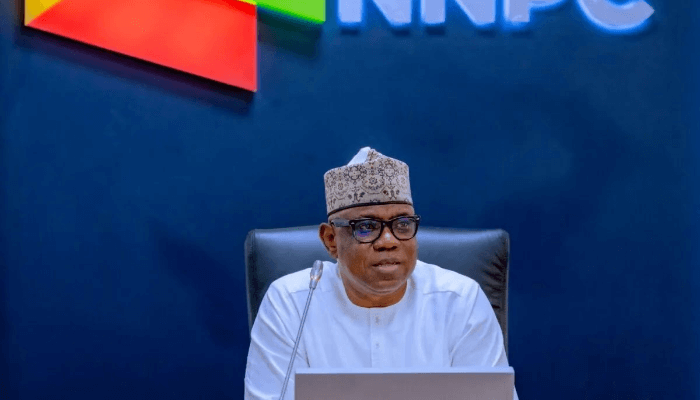
The Nigerian National Petroleum Company (NNPC) Limited has announced an update to its 2008 Gas Master Plan, marking a significant step in enhancing Nigeria’s natural gas sector. This recalibration comes as the NNPC aims to exceed the federal government’s target of 10 billion cubic feet per day (bcf/d).
Recalibrating the Gas Master Plan
The decision to tweak the 2008 Gas Master Plan indicates Nigeria’s commitment to optimizing its vast gas resources. The original plan was designed to guide the development of Nigeria’s gas sector, promoting production, transportation, and utilization of natural gas. However, with changing market dynamics and increasing energy demands, a recalibration became essential.
NNPC officials acknowledged that the gas sector is a vital component for achieving energy security and economic growth. By modernizing the existing framework, the NNPC aims to make significant strides in production capabilities and efficiency.
Bayo Ojulari, the Group Managing Director of NNPC, emphasized the importance of this initiative. He stated that recalibrating the Gas Master Plan would lead to better resource management and align with global energy transition trends. This strategic update aims to enhance the capacity to meet both domestic and international market demands.
With natural gas identified as a cleaner alternative to traditional fossil fuels, this recalibration positions Nigeria as a potential leader in the global energy transition. It also aligns with the country’s goal of increasing its gas production and reducing carbon emissions.
Exceeding the 10 bcf/d Target
Ojulari, an NNPC executive, has publicly pledged to surpass the federal government’s 10 bcf/d target. This ambitious commitment has resonated with industry stakeholders and is expected to bolster confidence in Nigeria’s gas sector.
To achieve this goal, the NNPC is implementing various strategies, including enhancing infrastructure and fostering public-private partnerships. Improved infrastructure is critical for transportation and storage, which are essential for maximizing gas production.
Ojulari stated that the NNPC will prioritize investments in processing facilities and pipelines. These investments will enable more efficient gas distribution, contributing to increased output. Additionally, partnerships with private companies are expected to drive innovation and introduce new technologies into the sector.
The NNPC has recognized the need for collaboration among stakeholders, including government agencies, private sector players, and international partners. This collective effort aims to create a more conducive environment for investment and development in the gas sector.
Implications for Nigeria’s Energy Landscape
The recalibrated Gas Master Plan is expected to have a broad impact on Nigeria’s energy landscape. By focusing on gas as a key energy source, the country aims to reduce its reliance on oil and diversify its energy portfolio. This shift will also enhance Nigeria’s position in the global energy market.
Furthermore, exceeding the 10 bcf/d target can generate significant economic benefits. Increased gas production has the potential to create jobs, stimulate local economies, and enhance energy security. Oil and gas companies may also see improved profitability and opportunities for growth within Nigeria.
As Nigeria positions itself as a more substantial player in the global gas market, it can attract foreign investments. Increased interest from international partners can foster technological advancements and best practices, facilitating more efficient production techniques.
Conclusion: A Commitment to Progress
In conclusion, the update to the 2008 Gas Master Plan by NNPC demonstrates Nigeria’s commitment to advancing its natural gas sector. By recalibrating this strategic framework, the NNPC aims to exceed the federal government’s production targets and enhance the country’s energy landscape.
Investing in infrastructure and fostering public-private partnerships will be critical in achieving these goals. With a focus on natural gas, Nigeria can pave the way for sustainable economic growth and diversification.
This proactive approach reflects Nigeria’s dedication to leveraging its natural resources for the benefit of its citizens and its economy. As the NNPC moves forward with these initiatives, the potential for progress in the gas sector seems promising.