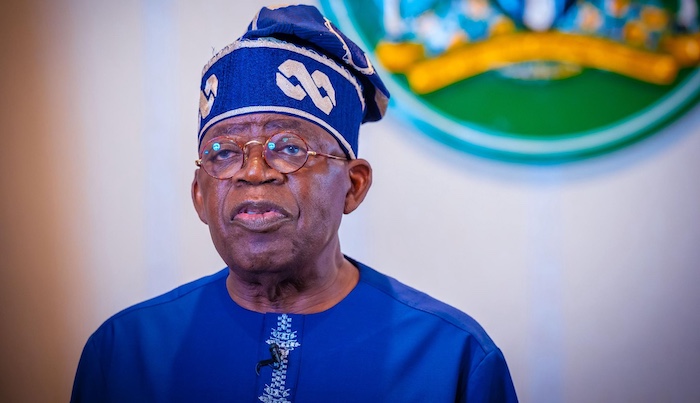
President Bola Ahmed Tinubu has officially welcomed Nigeria’s newly appointed Tax Ombudsman as part of ongoing revenue reforms. This development aims to enhance tax collection and improve public trust in the nation’s taxation system.
The Role of the Tax Ombudsman
The Tax Ombudsman is a critical position within Nigeria’s tax framework, responsible for advocating fairness and transparency in tax administration. This role includes reviewing tax disputes, ensuring compliance, and addressing taxpayer grievances. The appointment reflects the government’s commitment to reforming the tax system and fostering a more equitable environment for citizens and businesses.
President Tinubu’s administration recognizes that effective tax collection is essential for national development. The new Tax Ombudsman will play a vital part in bridging the gap between tax authorities and taxpayers, making the tax system more responsive to the needs of the populace.
Tinubu emphasized that the appointment is timely, given the government’s focus on increasing revenue to fund critical infrastructure and social programs. By enhancing the integrity of tax administration, the government hopes to boost compliance and reduce tax evasion.
Implications for Revenue Reforms
The introduction of the Tax Ombudsman signals a deeper commitment to revenue reforms within the Tinubu administration. These reforms include modernizing the tax collection process, improving efficiency, and ensuring that all citizens contribute fairly.
One fundamental aspect of these reforms is to simplify the tax process. Streamlining procedures will make it easier for individuals and businesses to pay taxes and understand their obligations. A more user-friendly system is expected to encourage voluntary compliance.
Additionally, the Tax Ombudsman will be instrumental in fostering a cooperative relationship between the government and taxpayers. Engaging with stakeholders, including industry groups and civil society, will provide insights into taxpayer concerns. Addressing these issues will promote a sense of fairness and equity in the tax system.
The government also aims to enhance the use of technology in tax administration. Innovations such as electronic tax filing and real-time payment systems can increase efficiency and reduce opportunities for corruption. The Tax Ombudsman’s role in overseeing these enhancements will be crucial for their successful implementation.
Building Public Trust in Taxation
Public trust in the tax system is essential for effective governance. The appointment of a Tax Ombudsman can significantly contribute to rebuilding this trust. By ensuring transparency and accountability, the ombudsman can reassure citizens that their taxes are used for the public good.
President Tinubu expressed confidence that the new Tax Ombudsman will serve as a catalyst for positive change. Engaging with taxpayers directly to address their concerns is a necessary step toward improving relationships and fostering compliance.
Furthermore, the government’s focus on using tax revenue for meaningful development projects will help demonstrate the value of paying taxes. By visibly investing in public infrastructure and services, the administration can encourage citizens to view taxation as a social contract rather than a burden.
Conclusion: A Step Forward for Nigeria
In conclusion, President Bola Ahmed Tinubu‘s welcoming of the new Tax Ombudsman marks a significant step in Nigeria’s revenue reform efforts. By enhancing transparency, simplifying the tax process, and fostering public trust, the administration aims to create a more effective and equitable tax system.
As revenue reforms deepen, the role of the Tax Ombudsman will be critical in ensuring that the government meets both its financial obligations and its commitment to its citizens. This initiative promises to transform the tax landscape in Nigeria, paving the way for sustainable economic growth and development.