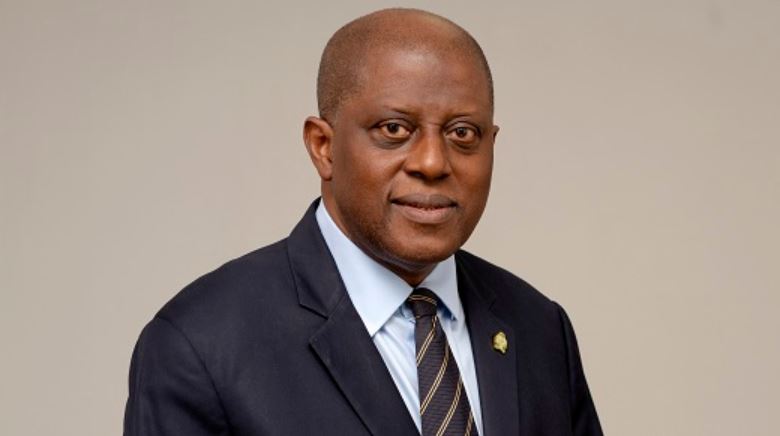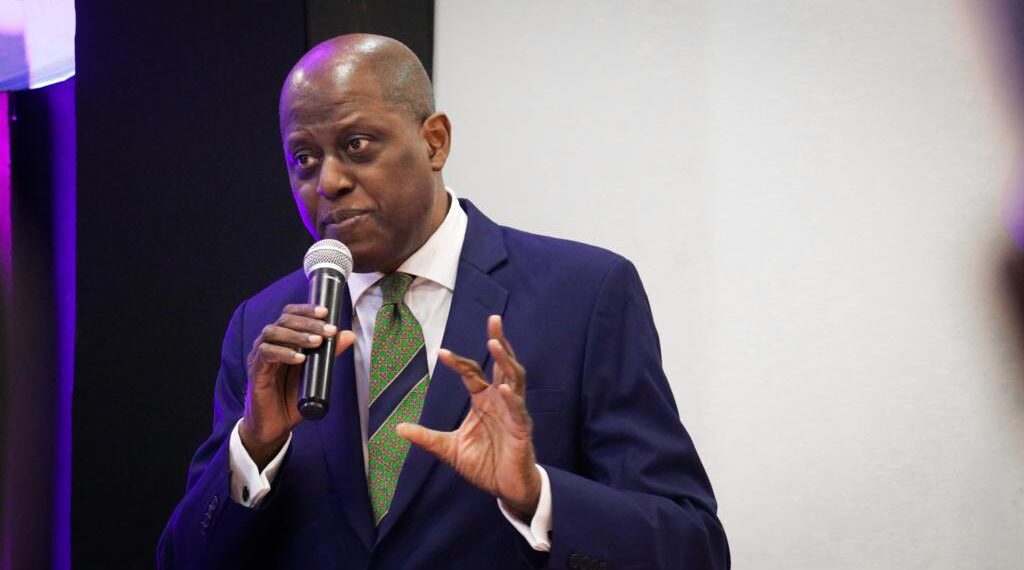

In a keynote address at the Chartered Institute of Bankers of Nigeria (CIBN) 58th Annual Bankers’ Dinner, Mr. Olayemi Cardoso, the Governor of the Central Bank of Nigeria (CBN), emphasized the critical role of monetary policy in stabilizing Nigeria’s economy. His speech addressed current economic challenges and the need for robust financial strategies.
The Significance of Monetary Policy
During his address, Cardoso outlined the importance of monetary policy in managing inflation and fostering economic growth. With rising prices and economic instability affecting many sectors, he urged bankers to remain vigilant and adaptable. Aligning monetary policy with fiscal strategies is crucial for creating a stable environment that encourages investment.
Cardoso acknowledged the complexities of the current economic landscape. He highlighted that the CBN is committed to implementing policies that enhance liquidity and support domestic businesses. This commitment serves to reassure both local and international investors, reinforcing confidence in Nigeria’s financial system.
Furthermore, he emphasized the need for collaboration between the CBN and the banking sector. By working together, they can formulate effective responses to economic challenges. This partnership is essential in ensuring that monetary policy measures effectively reach the target audience and stimulate economic activity.
Challenges Facing the Banking Sector
In his address, Cardoso also addressed several challenges facing the banking sector. Issues such as inflation, foreign exchange volatility, and inadequate access to credit were at the forefront of his discussion. He warned that these factors could hinder economic growth if not addressed promptly.
To combat inflation, Cardoso reiterated the importance of maintaining stable interest rates. High inflation undermines purchasing power and increases the cost of living, making it essential to manage inflationary pressures effectively. By ensuring that interest rates remain stable, the CBN can support economic recovery and growth.
Additionally, currency fluctuations pose significant risks to businesses relying on imports. Cardoso advocated for measures that stabilize the foreign exchange market, emphasizing the need for predictability in currency valuations. This stability would benefit both businesses and consumers, allowing for better financial planning and investment.
Vision for the Future of Banking in Nigeria
Looking ahead, the CBN Governor shared his vision for the future of banking in Nigeria. He called for innovation and digital transformation within the sector. Embracing financial technology can enhance service delivery and make banking more accessible to the unbanked population.
Cardoso urged financial institutions to invest in digital tools that streamline operations and improve customer experiences. Implementing innovative solutions can help banks adapt to changing consumer behaviors and expectations.
Moreover, he acknowledged the need for proper regulatory frameworks that encourage both innovation and security. The CBN will continue to refine its regulatory approach, fostering an environment where banks can thrive while ensuring the safety of the financial system.
Conclusion: Strengthening Nigeria’s Economic Future
In conclusion, Mr. Olayemi Cardoso‘s address at the CIBN 58th Annual Bankers’ Dinner highlighted the critical importance of monetary policy in shaping Nigeria’s economic future. By addressing current challenges and promoting collaboration between the CBN and the banking sector, Cardoso is paving the way for a more resilient financial system.
As Nigeria faces economic uncertainties, the commitment to effective monetary policies will play a key role in stabilizing and revitalizing the economy. Through innovation and a focus on collaboration, Cardoso envisions a banking sector that can adapt to challenges and contribute significantly to national growth. The roadmap he outlined underscores the potential for a robust, dynamic banking environment that supports Nigeria’s long-term economic objectives.