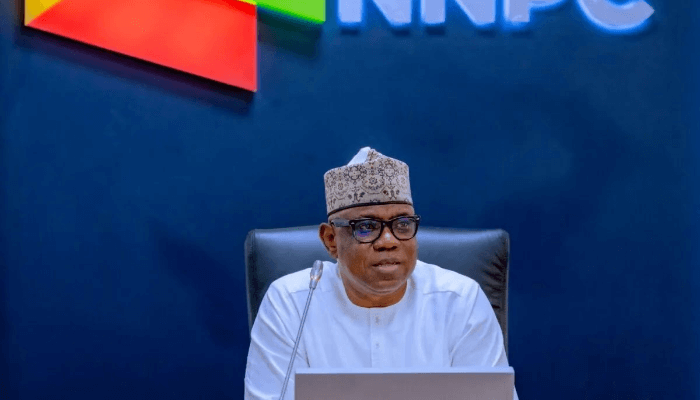

Heineken Lokpobiri, the Minister of State for Petroleum Resources, announced that Nigeria’s crude oil production, including condensates, has reached 1.75 million barrels per day (bpd). This update reflects a significant development in Nigeria’s oil sector, which has faced numerous challenges in recent years.
Current State of Nigeria’s Oil Production
Nigeria has long been one of Africa’s largest oil producers, yet the industry has struggled with issues such as vandalism, pipeline leaks, and regulatory challenges. These factors have impeded production levels and had adverse effects on the national economy.
Lokpobiri’s announcement comes at a critical time when negotiations and investments are needed to revitalize the sector. Achieving a production level of 1.75 million bpd indicates progress, especially considering the fluctuating global oil market dynamics. The increase demonstrates the government’s efforts to stabilize production and enhance revenue generation.
To further understand this production level, it is important to note that Nigeria had previously experienced significant dips due to a combination of operational constraints and security issues. In recent years, oil production fell below 1 million bpd, which had serious implications for the economy heavily reliant on oil revenues.
Efforts to Boost Production Capacity
The Nigerian government has implemented several strategies aimed at boosting production capacity. These initiatives include improving security around oil facilities to prevent vandalism and theft. The government also seeks to attract foreign investment to modernize aging infrastructure and technology in the oil sector.
Lokpobiri emphasized that elevating production levels is vital for economic recovery and growth. With oil exports accounting for a large portion of Nigeria’s revenue, increasing output is directly tied to the country’s fiscal stability. The government has set targets to further ramp up production to meet both domestic and international demand.
Additionally, Lokpobiri has mentioned potential collaborations with international oil companies (IOCs) to enhance operational efficiencies. Such partnerships can bring in expertise and financial resources essential for improving production capacity.
Implications for Nigeria’s Economy
The current production figures have broad implications for Nigeria’s economy. With oil prices rebounding in the global market, increased production can significantly improve government revenues. This, in turn, can help finance critical infrastructure projects and social programs aimed at alleviating poverty.
Moreover, boosting oil output can lead to job creation within the sector. As the industry expands, there will be growing demand for skilled labor, providing opportunities for young Nigerians.
However, challenges remain. Lokpobiri’s administration must focus on sustainability in production practices, ensuring that environmental concerns are addressed. The government has to balance the need for increased oil revenues with commitments to environmental conservation, especially in Niger Delta communities that have suffered from oil spills and environmental degradation.
Conclusion: A Step Toward Recovery
In conclusion, Heineken Lokpobiri’s update on Nigeria’s oil production reaching 1.75 million bpd signals a hopeful step toward recovery for the industry. While significant challenges persist, the government’s commitment to increasing production through strategic partnerships and security improvements can pave the way for a more resilient economy.
As Nigeria strives to reclaim its position as a leading oil producer in Africa, the focus must remain on sustainable practices and the welfare of local communities. By addressing these issues, Nigeria can work toward a more prosperous future, driven by a revitalized oil sector that benefits all Nigerians.