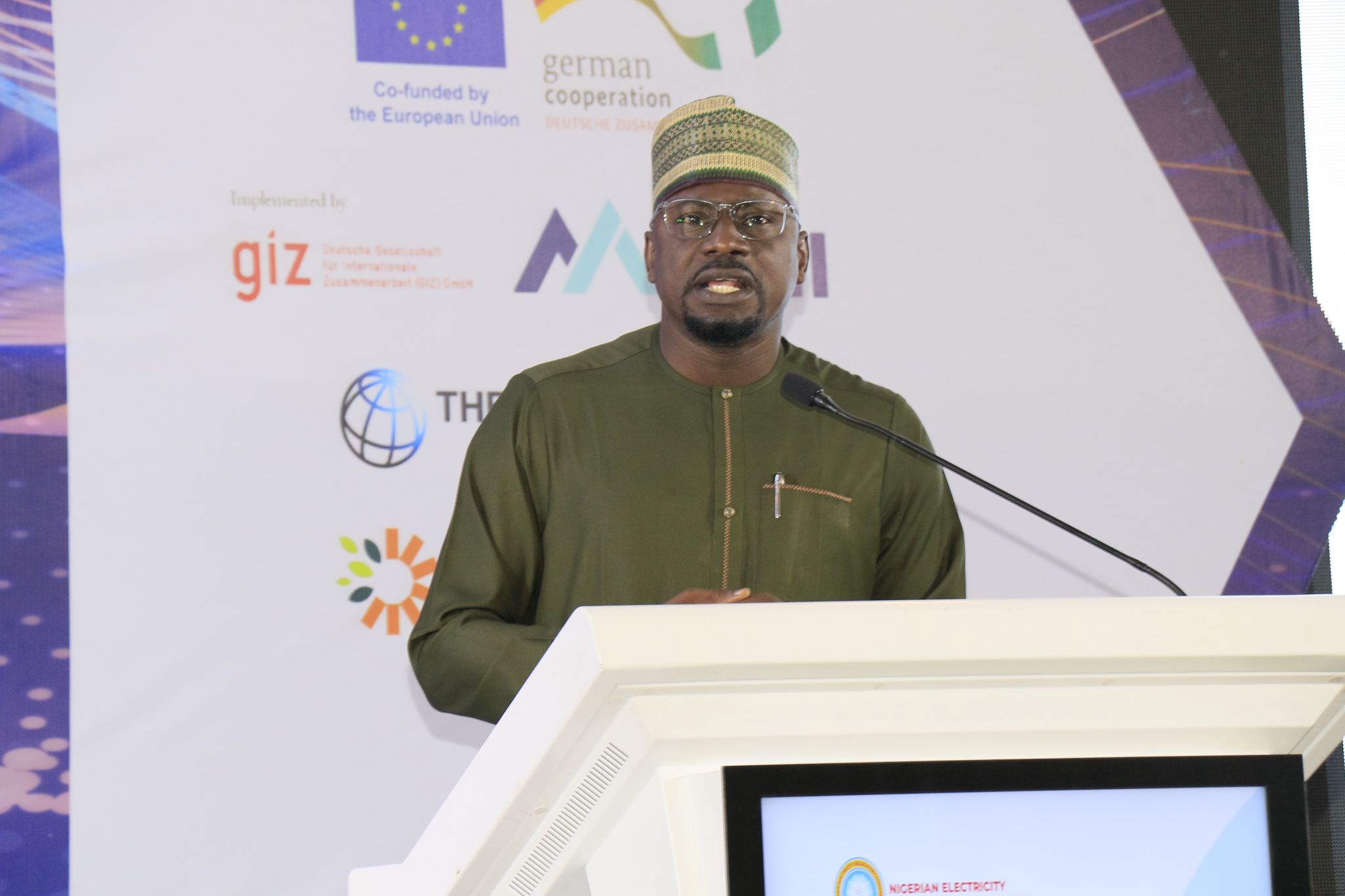
Abba Aliyu, CEO of the Rural Electrification Agency (REA), has announced a significant step towards enhancing energy access in Nigeria. A Memorandum of Understanding (MoU) was signed with the Economic Community of West African States (ECOWAS) to implement the Regional Off-Grid Electricity Access Project (ROGEAP) pilot in Nigeria. This collaboration aims to electrify 15 public health and education facilities using solar PV systems.
Objectives of the Collaboration
The primary objective of the REA and ECOWAS partnership is to establish a clear framework for co-financing and deploying solar energy solutions. These efforts will focus on installations in rural health centers and schools, which are critical for improving access to essential services. The areas targeted include the Federal Capital Territory (FCT), Niger State, and Nasarawa State.
Under this agreement, ECOWAS is providing a grant of $700,000 to support these initiatives. The funds are aimed at ensuring that governance structures, financing modalities, and operational mechanisms are well-defined. This strong governance framework will enable efficient project delivery and long-term sustainability.
As part of the agreement, the REA will act as the technical and financial implementing agency. This role is crucial for ensuring disciplined execution and measurable outcomes for the solar installations. Abba Aliyu emphasized that this structured approach to partnerships enhances the likelihood of success and sustainability.
Strengthening State-Level Collaboration
In conjunction with the MoU, REA signed a separate agreement with the Niger State Government. This agreement seeks to foster collaboration at the state level for the selected sites. It aims to enable counterpart co-financing, ensuring that the local government aligns with ECOWAS funding initiatives.
This state-level collaboration is designed to strengthen coordination and monitoring of the project. It emphasizes shared ownership and accountability, vital components for successful implementation. By working closely with the local government, the REA aims to ensure that the needs of the community are at the forefront of the energy access efforts.
Abba Aliyu highlighted the importance of combining regional cooperation with clear institutional roles. This model, he suggests, is key to achieving impactful results. The synergy between REA and the state governments aims to create a robust framework for energy access that extends beyond the duration of the project.
Looking Ahead: The Future of Energy Access
This landmark agreement sets a precedent for future collaborations in Nigeria and the broader West African region. As energy access remains a pressing issue, the REA and ECOWAS partnership represents a significant step toward addressing the challenges faced in rural electrification.
The focus on sustainable solar energy solutions aligns with global trends towards cleaner energy sources. The deployment of solar PV systems not only meets immediate needs but also contributes to long-term environmental goals. As this project unfolds, it can serve as a model for similar initiatives across West Africa.
In conclusion, the collaboration between REA and ECOWAS marks an essential milestone in enhancing energy access in Nigeria. The structured approach to partnerships and state-level engagement is likely to yield positive results.
Abba Aliyu’s leadership in this initiative reflects a commitment to improving the lives of Nigerians through sustainable energy solutions. As the project progresses, it will be essential to monitor its outcomes and adapt strategies as needed. This initiative has the potential to significantly impact energy access and contribute to the overall development goals of Nigeria.