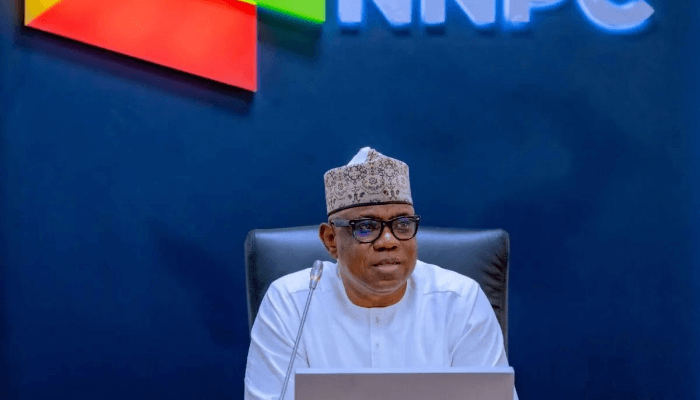
In a significant move, the Nigerian National Petroleum Company Limited (NNPCL) has announced an increase in the pump price of petrol across its retail outlets. As of now, consumers in Lagos will pay N933 per litre, while residents of Abuja will feel the impact even more, with prices soaring to N960 per litre. This adjustment has raised eyebrows and concerns among citizens, many of whom are already battling the rising cost of living.
A Closer Look at the Price Changes
To put this increase into perspective, the NNPCL has raised petrol prices by N103 in Lagos, up from N830 per litre, and by N85 in Abuja, which previously stood at N875 per litre. These adjustments are not merely figments of market volatility; they serve as stark indicators of underlying issues within the oil industry and the broader economic landscape in Nigeria.
Factors Behind the Price Hike
Several key factors contribute to such notable price increases. One primary driver is the ongoing fluctuations in global crude oil prices. In recent months, external market conditions have put immense pressure on local petrol prices, mirroring trends observed in international trading. As oil-producing nations grapple with supply challenges and geopolitical tensions, the cascading effects are felt far and wide, particularly in a country that relies heavily on petroleum for its economic stability.
Impact on Consumers and Businesses
The recent petrol price hike will undoubtedly leave a considerable mark on consumers and businesses across Nigeria. For everyday citizens, particularly those dependent on transport and logistics, the increase in pump prices will likely lead to higher costs in various sectors. Transport fares will rise, and consequently, so will the prices of goods and services. This scenario pinches household budgets, challenging families to adapt to even tighter financial restraints.
Moreover, smaller businesses and local entrepreneurs may also feel the sting as operational costs increase. For many, maintaining profit margins while passing costs onto consumers can become a tightrope walk, especially in a competitive market.
Government Response and Future Projections
As these issues materialize, it’s crucial for the government and relevant authorities to respond proactively. Potential interventions could include subsidies or incentives to ease the burden on consumers, though balancing these measures against budgetary constraints remains a pressing challenge.
Looking ahead, analysts predict that unless there is a stabilization in global oil prices, Nigerians might face a continuing trend of rising pump prices. Thus, it becomes essential for consumers to remain informed about market movements and potentially adapt their energy consumption habits to mitigate the impact of these price increases.
Navigating the Crisis
In light of these developments, navigating through this petrol price crisis requires more than just awareness; it necessitates adaptability from consumers and strategic planning from businesses. Exploring alternative transport options, carpooling, or looking into more efficient means of fuel consumption can all serve as countermeasures to combat escalating costs.
As we continue to monitor the dynamic landscape of petrol pricing in Nigeria, it becomes increasingly evident that collective awareness and proactive measures will be key. Whether it’s consumers making informed choices or the government implementing supportive policies, every step counts in alleviating the pressure of these rising prices.
Key Takeaways
In summary, the recent surge in petrol prices to N933 per litre in Lagos and N960 per litre in Abuja highlights the intricate interplay of global markets and local economies. Consumers must brace themselves for the ripple effects of these increases while urging policymakers to explore sustainable solutions. Only through collaborative efforts can we hope to stabilize this essential commodity and provide relief for countless Nigerians facing a challenging economic climate.