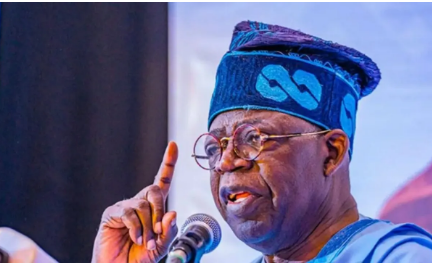
Nigeria’s Minister of Solid Minerals Development, Dele Alake, has said that reforms introduced by President Bola Ahmed Tinubu are responsible for the rapid growth currently being recorded in the country’s solid minerals sector. According to the minister, the policy changes and strategic initiatives implemented by the administration have begun to reposition the mining industry as a major driver of economic diversification.
Alake explained that the government is committed to transforming the sector into a key contributor to national revenue while reducing Nigeria’s heavy reliance on crude oil exports. He noted that the reforms introduced under President Tinubu have created a more structured, transparent, and investor-friendly environment for mining activities across the country.
Strengthening Regulatory Frameworks
One of the major steps taken by the government, according to the minister, involves strengthening regulatory frameworks within the mining industry. For years, Nigeria’s solid minerals sector struggled with weak regulation, illegal mining activities, and limited oversight. These challenges slowed the growth of the sector and reduced the benefits that could be generated from the country’s abundant mineral resources.
However, recent reforms have focused on improving monitoring systems, enforcing licensing requirements, and ensuring that mining operations comply with national regulations. As a result, the government has been able to bring more mining activities under formal supervision while also improving revenue collection.
Alake emphasized that stronger regulations not only protect Nigeria’s natural resources but also encourage responsible mining practices that benefit both investors and host communities.
Attracting Local and International Investment
Another key outcome of the reforms is the growing interest from investors seeking opportunities in Nigeria’s mining sector. According to the minister, clearer policies and improved governance have increased confidence among both local and international investors.
The government has also intensified engagement with foreign partners, mining companies, and financial institutions interested in supporting exploration and development projects. These partnerships are expected to help expand mining operations and introduce modern technologies that can improve productivity within the sector.
Alake noted that attracting investment is crucial for unlocking Nigeria’s vast mineral deposits, which include gold, lithium, iron ore, limestone, and several other valuable resources.
Tackling Illegal Mining Activities
The minister also highlighted efforts to address illegal mining, which has long posed a major challenge to the sector. Illegal operators often extract minerals without proper licensing, leading to revenue losses for the government and environmental damage in affected communities.
To tackle this issue, the government has strengthened enforcement measures and deployed security agencies to monitor mining areas. Special task forces have also been established to identify and shut down illegal mining sites across the country.
According to Alake, these efforts are essential for protecting legitimate investors and ensuring that Nigeria benefits fully from its mineral wealth.
Promoting Value Addition and Industrial Growth
In addition to increasing mineral extraction, the government is encouraging value addition within the sector. Instead of exporting raw minerals, policymakers aim to promote local processing and manufacturing industries that can transform these resources into higher-value products.
This approach is expected to create employment opportunities, stimulate industrial development, and increase export earnings. Alake explained that developing processing facilities and mineral-based industries would allow Nigeria to capture more value from its natural resources.
Supporting Economic Diversification
Nigeria’s economy has historically depended heavily on oil revenue, making diversification a critical priority for the government. The solid minerals sector offers significant potential to expand the country’s economic base while creating new sources of income.
According to Alake, the reforms introduced by President Tinubu are designed to unlock this potential and position the mining industry as a key pillar of national development. By strengthening governance, attracting investment, and promoting local processing, the government hopes to build a sustainable and competitive mining sector.
Looking Ahead
The Minister expressed optimism that the progress recorded so far represents only the beginning of broader growth within the industry. With continued policy support, improved regulation, and increased investor participation, the solid minerals sector could play a larger role in Nigeria’s economic transformation.
Alake reaffirmed the government’s commitment to building a transparent, efficient, and globally competitive mining industry. As reforms continue to take effect, stakeholders expect the sector to contribute more significantly to job creation, revenue generation, and long-term national development.