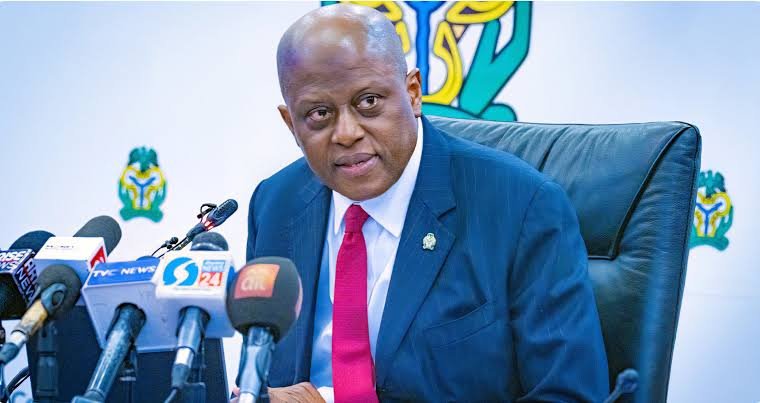
The Deputy Governor of the Central Bank of Nigeria (CBN) in charge of Economic Policy, Muhammad Abdullahi, has announced plans to consider the recapitalisation and restructuring of Development Finance Institutions (DFIs). This move aims to address the persistent financing gap affecting micro, small, and medium-sized enterprises (MSMEs) across Nigeria.
The announcement signals a proactive effort by the apex bank to strengthen financial systems that support grassroots economic growth. MSMEs remain the backbone of Nigeria’s economy. However, limited access to affordable credit continues to hinder their expansion.
Therefore, the proposed reforms could mark a turning point in unlocking opportunities for small businesses nationwide.
Understanding the MSME Financing Challenge
MSMEs contribute significantly to employment and economic activity in Nigeria. Despite their importance, many small businesses struggle to secure funding from traditional financial institutions.
Several challenges contribute to this gap:
- High interest rates on commercial loans
- Strict collateral requirements
- Limited access to long-term financing
- Weak financial infrastructure in rural areas
As a result, many entrepreneurs are unable to scale their operations or invest in growth opportunities.
Recognizing this challenge, the Central Bank of Nigeria is exploring structural reforms that can improve access to finance.
The Role of Development Finance Institutions
Development Finance Institutions (DFIs) play a critical role in supporting sectors that are often underserved by commercial banks. These institutions provide long-term financing, technical support, and targeted funding for priority sectors such as agriculture, manufacturing, and small businesses.
However, many DFIs face limitations in capital, efficiency, and operational structure. Consequently, their impact has not fully matched the scale of Nigeria’s financing needs.
The proposed recapitalisation and restructuring aim to strengthen these institutions, making them more effective in delivering financial support to MSMEs.
Recapitalisation as a Growth Strategy
Recapitalisation involves increasing the financial capacity of institutions to enable them to lend more effectively. By boosting the capital base of DFIs, the Central Bank of Nigeria seeks to expand the pool of funds available for small businesses.
This approach can lead to:
- Increased access to affordable loans
- Longer repayment periods for borrowers
- Greater financial inclusion across sectors
- Enhanced support for innovation and entrepreneurship
Therefore, recapitalisation represents a strategic tool for stimulating economic growth.
Restructuring for Efficiency and Impact
In addition to recapitalisation, restructuring efforts will focus on improving the operational efficiency of DFIs.
Muhammad Abdullahi emphasized the need to align these institutions with modern financial practices. This may include governance reforms, improved risk management systems, and enhanced accountability mechanisms.
Efficient institutions can deliver faster, more transparent, and more impactful financial services. Consequently, restructuring will ensure that DFIs better serve the needs of Nigerian entrepreneurs.
Boosting Economic Growth Through MSMEs
Supporting MSMEs goes beyond financial inclusion. It directly impacts job creation, innovation, and economic diversification.
When small businesses thrive:
- Employment opportunities increase
- Local industries expand
- Economic resilience improves
Therefore, addressing the financing gap remains essential for achieving sustainable development.
The initiative by the Central Bank of Nigeria aligns with broader national goals of reducing poverty and strengthening economic stability.
A Forward-Looking Economic Agenda
The proposed reforms reflect a forward-looking approach to economic policy. By strengthening DFIs, the CBN aims to create a more inclusive financial system that supports businesses at all levels.
Muhammad Abdullahi’s announcement highlights the importance of strategic planning in addressing structural economic challenges.
As Nigeria continues to navigate economic uncertainties, initiatives like this provide a pathway toward sustainable growth.
Looking Ahead
The recapitalisation and restructuring of DFIs could significantly reshape Nigeria’s financial landscape. If effectively implemented, the reforms may unlock new opportunities for millions of entrepreneurs.
Ultimately, the success of this initiative will depend on strong execution, collaboration with stakeholders, and consistent policy support.
For Nigeria’s MSMEs, this development offers renewed hope for improved access to finance and a stronger foundation for growth.