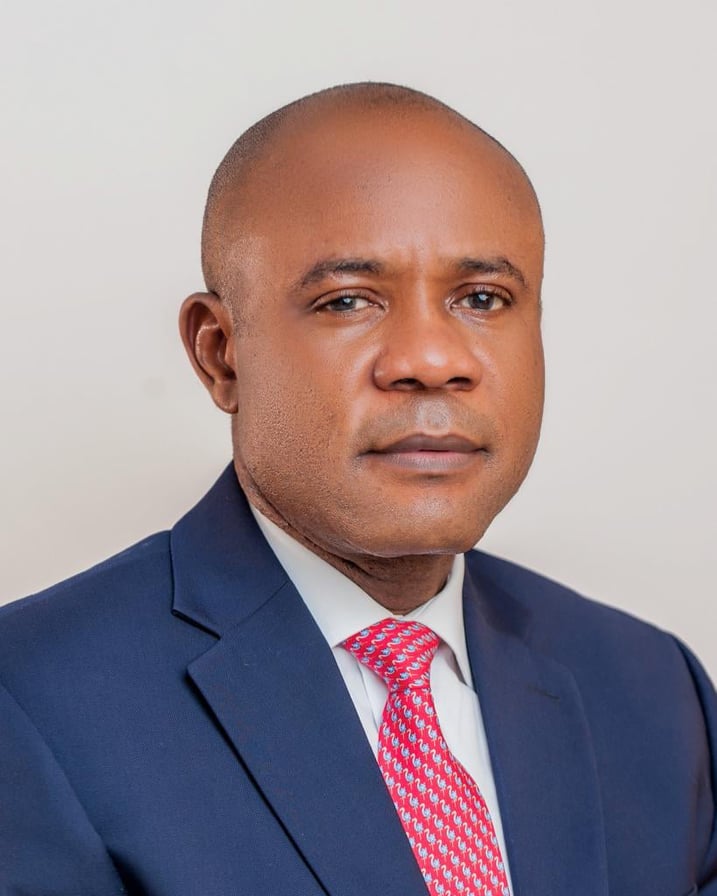
Education reform is now shaping the future of Enugu State. Under the leadership of Peter Mbah, the government has placed strong emphasis on improving learning systems and developing human capital. Across the state, new policies and investments are redefining how education contributes to development.
Recent events highlight this direction. Governor Mbah recently praised private individuals supporting students through scholarships and bursaries. According to him, such initiatives help unlock the potential of young people and strengthen the future workforce.
More importantly, the state budget now prioritizes learning development. The Enugu government has committed huge resources to improving schools, upgrading infrastructure, and modernizing teaching methods. As a result, education is becoming the backbone of the administration’s development strategy.
Many analysts now see the policy as one of the most ambitious learning transformation programs currently unfolding in Nigeria.
Education Reform: A New Development Vision for Learning
The transformation of the education sector now guides several government initiatives across Enugu.
Governor Mbah believes knowledge and skills drive economic growth. Because of this, the state government is redesigning its learning system to prepare students for real-world challenges. The goal is to produce problem solvers rather than certificate holders.
Consequently, learning now goes beyond traditional classroom teaching. Modern smart schools and digital tools are gradually appearing across the state. These technologies support interactive teaching methods and enhance student engagement.
In addition, youth empowerment remains a major priority. Young people now gain access to digital skills and modern training programs. These initiatives prepare them to compete in global markets and future industries.
Through these changes, Enugu aims to build a generation ready for innovation and leadership.
Record Budget Allocation to Strengthen Schools
Government spending also reflects the administration’s priorities. The Enugu State Government recently presented a budget worth more than one trillion naira. A significant portion of that budget supports learning programs and school development.
The education sector now receives the largest allocation in the state budget. This decision shows the government’s commitment to long-term progress.
Across the state, schools are receiving major infrastructure upgrades. Classrooms are being renovated while digital equipment is introduced to improve teaching. Teachers are also benefiting from professional training programs that improve classroom delivery.
Student welfare remains another focus area. Authorities plan to expand school feeding programs that will support hundreds of thousands of pupils.
These investments aim to improve both learning quality and student wellbeing.
Education Reform: Infrastructure Supporting Academic Growth
Beyond classroom reforms, the government is also improving infrastructure around educational institutions.
Governor Mbah recently promised to construct access roads leading to a federal polytechnic within the state. Such infrastructure will make it easier for students and lecturers to move between campuses and communities.
Better roads also improve research activities and academic collaboration. When institutions become easier to access, academic productivity often increases.
Therefore, education development now connects with broader infrastructure projects across the state. Transport systems, digital networks, and modern facilities all contribute to a better learning environment.
Through these efforts, Enugu hopes to position itself as a leading education hub in Nigeria.
Education Reform: Building a Skilled Economy for the Future
Education investment also plays a critical role in Enugu’s economic strategy.
Governor Mbah continues to pursue ambitious internally generated revenue targets. However, sustainable economic growth requires a skilled workforce. For that reason, education development remains central to the administration’s economic vision.
A well-trained population boosts productivity and innovation. Technology skills attract investors while entrepreneurship drives job creation.
Many economic experts believe these policies could position Enugu as a competitive knowledge-driven economy. Over time, improved education outcomes could translate into stronger business growth and higher employment opportunities.
Community Support Strengthening the Initiative
Communities and private organizations are also contributing to this transformation.
Several foundations now sponsor scholarship programs across local governments in the state. These interventions support talented students who might otherwise struggle to continue their education.
During a recent bursary presentation ceremony, Governor Mbah commended individuals who invest in student support initiatives. According to him, collaboration between government and citizens is essential for long-term success.
Parents, businesses, and community groups are increasingly supporting school development projects. Such partnerships strengthen the entire education ecosystem.
When communities become active participants, reform efforts often achieve greater impact.
Conclusion: A Foundation for Long-Term Transformation
The transformation of the education sector now defines the leadership approach of Governor Peter Mbah.
From major budget allocations to infrastructure expansion, learning development remains central to state policy. The administration aims to produce a generation equipped with modern knowledge, digital skills, and entrepreneurial capacity.
If these reforms continue at the current pace, Enugu could emerge as one of Nigeria’s most progressive knowledge economies.
For now, the journey has only begun. However, the direction is already clear. Education is becoming the driving force behind Enugu’s future growth and transformation.