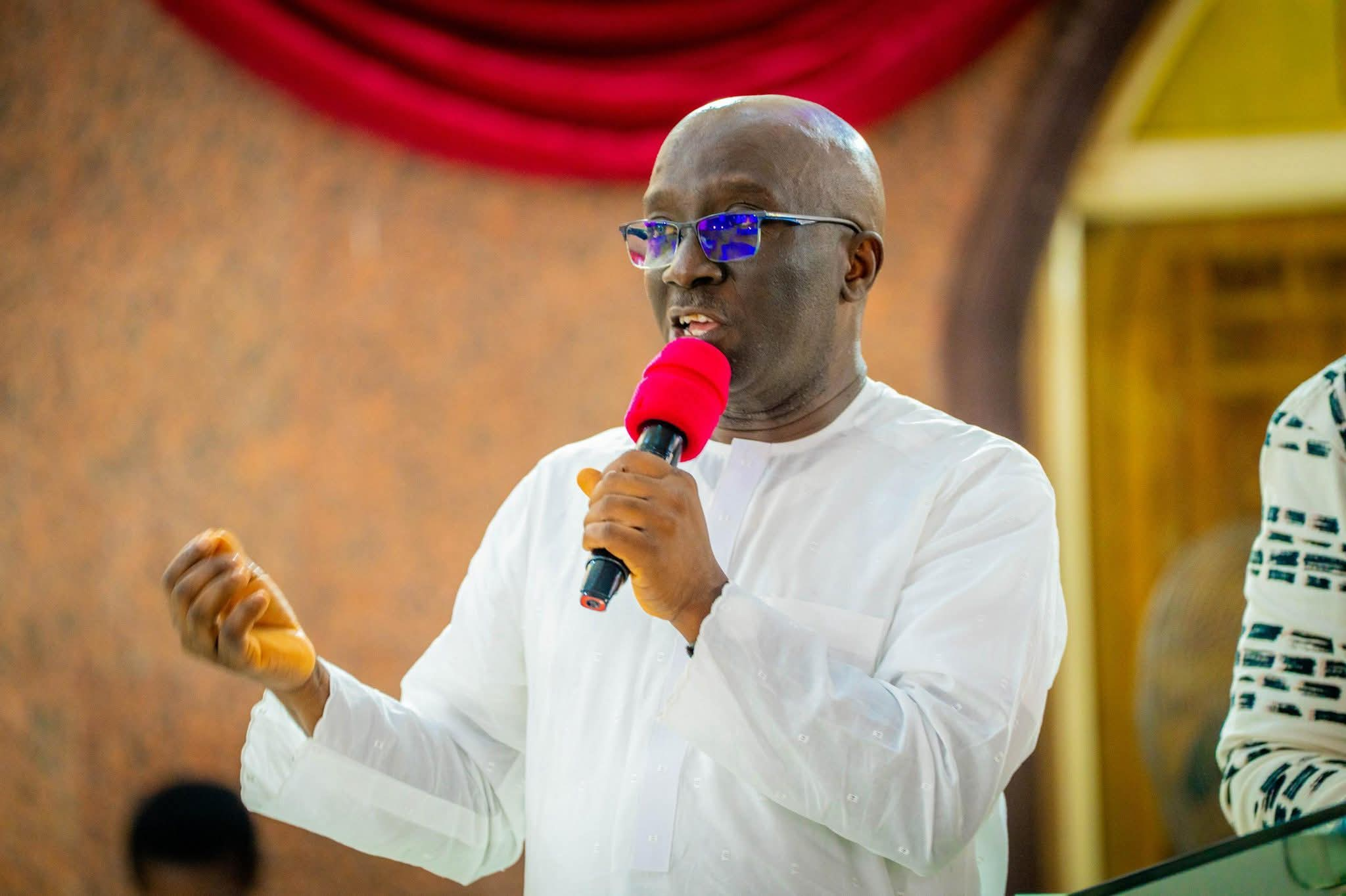
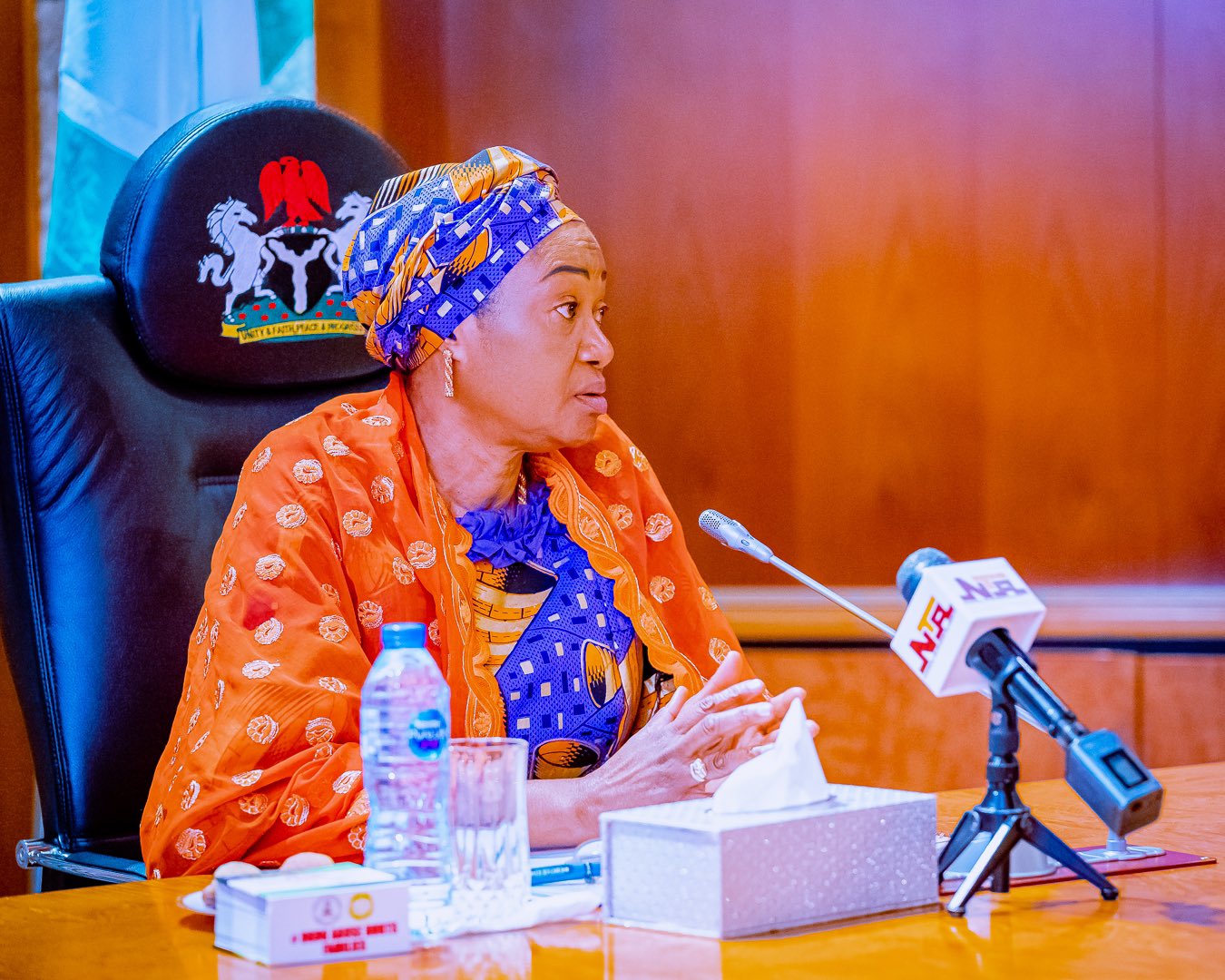
First Lady Oluremi Tinubu has called for the nation to adopt inclusive policies that empower all citizens on World Braille Day 2026. In her address, she stressed the importance of creating environments that support individuals with visual impairments and highlight the need for accessibility throughout society. The keyphrase for this article is “Oluremi Tinubu Inclusive Policies for All.”
Promoting Accessibility and Empowerment
During the World Braille Day celebrations, Oluremi Tinubu underscored the significance of Braille as a vital tool for education and communication for people living with blindness. She urged the government and relevant stakeholders to work collaboratively to enhance the availability and accessibility of Braille resources across the nation. This includes ensuring that educational institutions are equipped with necessary materials and trained educators who can effectively teach Braille.
The First Lady pointed out that inclusive policies not only foster a sense of belonging but also empower individuals with disabilities to reach their full potential. By creating a more inclusive society, Nigeria can harness the talents and contributions of all its citizens. Oluremi noted that enabling individuals with visual impairments to actively participate in various sectors not only improves their quality of life but also enriches the community as a whole.
Furthermore, her call for inclusive policies aligns with the global commitment to the United Nations’ Sustainable Development Goals (SDGs), particularly those related to equality and education. By prioritizing the needs of differently-abled individuals, the Nigerian government can make significant strides toward fulfilling these global commitments.
A Collective Responsibility
Oluremi Tinubu emphasized that promoting inclusivity is a collective responsibility that requires the involvement of all citizens, policymakers, and organizations. She urged communities to advocate for accessible public spaces and services that cater to the needs of individuals with disabilities. This includes everything from transportation systems to public buildings being designed with accessibility in mind.
The First Lady also called for increased awareness and education about visual impairments and the importance of inclusion. She believes that creating a culture of awareness can help break down societal barriers and challenge stereotypes surrounding disabilities. Empowering communities to support individuals with visual impairments can foster solidarity and compassion.
To support these initiatives, Oluremi encouraged partnerships between government agencies, non-profit organizations, and the private sector. Collaborations can leverage resources and expertise to expand programs that assist individuals with disabilities, ensuring they have the tools they need to succeed.
Conclusion: First Lady Inclusive Policies
In conclusion, First Lady Oluremi Tinubu’s call for inclusive policies on World Braille Day 2026 presents an important opportunity to create a more equitable and supportive environment for individuals with visual impairments. By focusing on accessibility and empowerment, the First Lady’s vision can lead to a future where every citizen has the chance to thrive.
As Nigeria embraces these principles, the enhanced inclusion of all citizens, particularly those with disabilities, will contribute to a stronger and more vibrant society.
FAQ Section
What is World Braille Day?
World Braille Day is celebrated on January 4th to raise awareness about the importance of Braille for people who are visually impaired.
What did Oluremi Tinubu advocate for?
Oluremi Tinubu advocated for inclusive policies that empower individuals with visual impairments and promote accessibility in society.
Why are inclusive policies important?
Inclusive policies foster equality, empower individuals with disabilities, and enable them to contribute fully to society.
How can communities support inclusivity?
Communities can promote inclusivity by advocating for accessible services, raising awareness about disabilities, and providing support for individuals with special needs.
What is the role of Braille in education?
Braille serves as a crucial tool for education and communication for people with visual impairments, enabling greater access to learning resources.