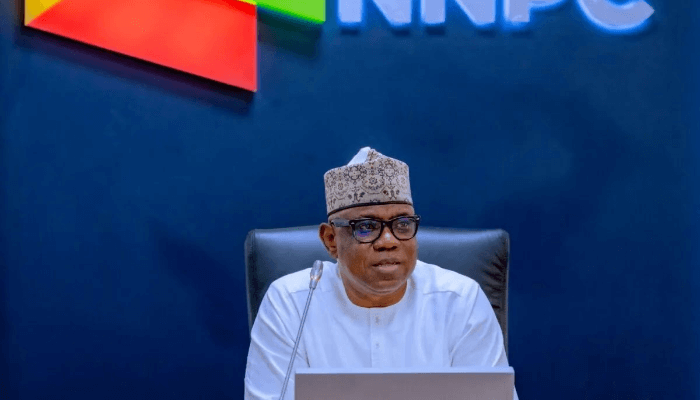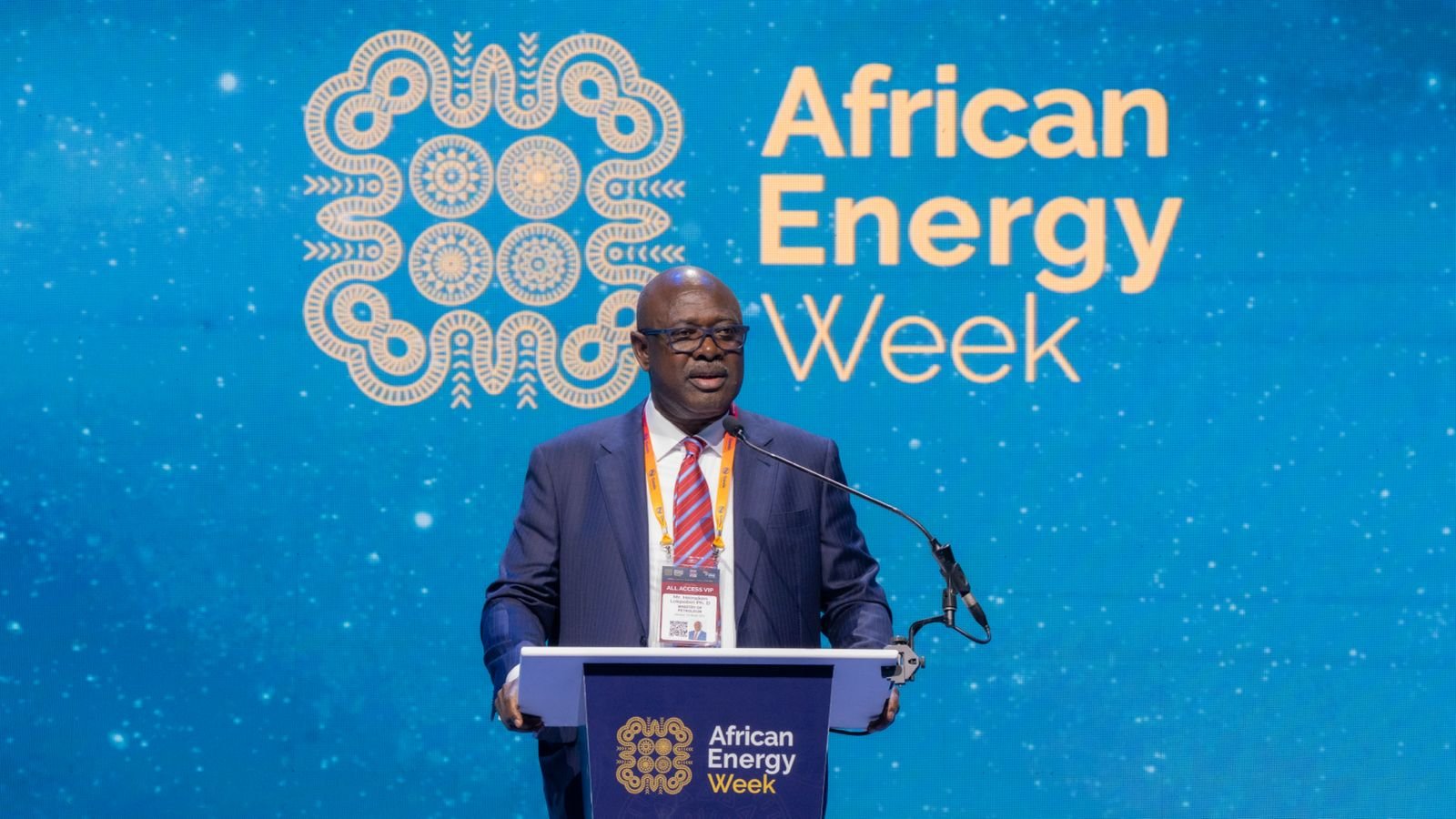
Senator Heineken Lokpobiri, Nigeria’s Minister of State for Petroleum, is emerging as a transformative figure in the country’s energy landscape. His recent efforts to implement reforms aimed at enhancing energy security have drawn commendations from various quarters, including the Nigerian Youth Congress (NYC). These initiatives highlight his commitment to addressing longstanding challenges in Nigeria’s petroleum sector.
Pioneering Transparency and Accountability
Lokpobiri’s tenure has focused on increasing transparency and accountability within the oil industry. This is crucial, as Nigeria has faced significant issues with corruption and mismanagement in its petroleum sector. The NYC has praised Lokpobiri’s initiatives, stating that they provide a much-needed gateway to energy security for the nation.
His reforms not only aim to stabilize oil production but also to attract both local and foreign investments. By fostering a transparent environment, Lokpobiri is creating conditions favorable for investment, thereby invigorating an industry long plagued by uncertainties. This approach could lead to enhanced infrastructure and job creation, addressing some of the socio-economic challenges facing the country today.
The emphasis on transparency is particularly relevant given the historical context. For years, citizens have expressed distrust in the system due to allegations of corruption and mismanagement. Lokpobiri’s reforms signal to the public that the government is taking steps to rectify these issues, thereby restoring faith in the industry.
Engaging the Youth for Sustainable Growth
An essential aspect of Lokpobiri’s vision involves engaging the youth in discussions about Nigeria’s energy future. The support from the NYC emphasizes the importance of involving young people in policymaking processes. This demographic represents the future workforce and should have a significant voice in shaping energy policies that affect their lives.
By including the youth in discussions, Heineken Lokpobiri can cultivate a generation equipped to meet the energy demands of the future. Education and skill development initiatives can further empower young Nigerians, making them stakeholders in their country’s energy sector. The emphasis on youth engagement also aligns with global trends toward inclusion and sustainability.
Furthermore, the reforms initiated by Lokpobiri could lead to innovative solutions regarding renewable energy. By diversifying energy sources, Nigeria can address both its energy needs and its commitments to environmental sustainability. This vision sets the stage for a more responsible and forward-thinking energy policy.
The Path Forward for Nigeria’s Energy Sector
As Nigeria navigates a complex energy landscape, Lokpobiri’s leadership will be pivotal in shaping its future. His reforms serve as a foundation for enhancing energy security while also addressing the socio-economic challenges the country faces. However, success will require continuous commitment and a collaborative approach.
Stakeholders, including local communities and private investors, must be involved in these discussions. Collaborations can lead to mutually beneficial outcomes that support both industry growth and community development. Lokpobiri’s efforts in building these partnerships will be essential for the longevity of his reforms.
Moreover, the challenges posed by climate change necessitate a deeper focus on sustainability. The Nigerian government must prioritize not only oil production but also the transition to cleaner energy sources. This dual focus can position Nigeria favorably in a rapidly changing global energy market.
Conclusion: A Vision for a Sustainable Future
In conclusion, Senator Heineken Lokpobiri stands at a crucial juncture in Nigeria’s energy sector. His reforms aimed at enhancing transparency and engaging the youth are vital steps toward achieving energy security while addressing socio-economic issues.
As the country seeks to revitalize its oil industry, Lokpobiri’s commitment to reform can create a more stable and prosperous future for Nigeria. By fostering collaboration among stakeholders and prioritizing sustainability, he has the potential to lead Nigeria into a new era of energy excellence. This is not just about oil; it’s about building a resilient and sustainable energy framework that benefits all Nigerians.