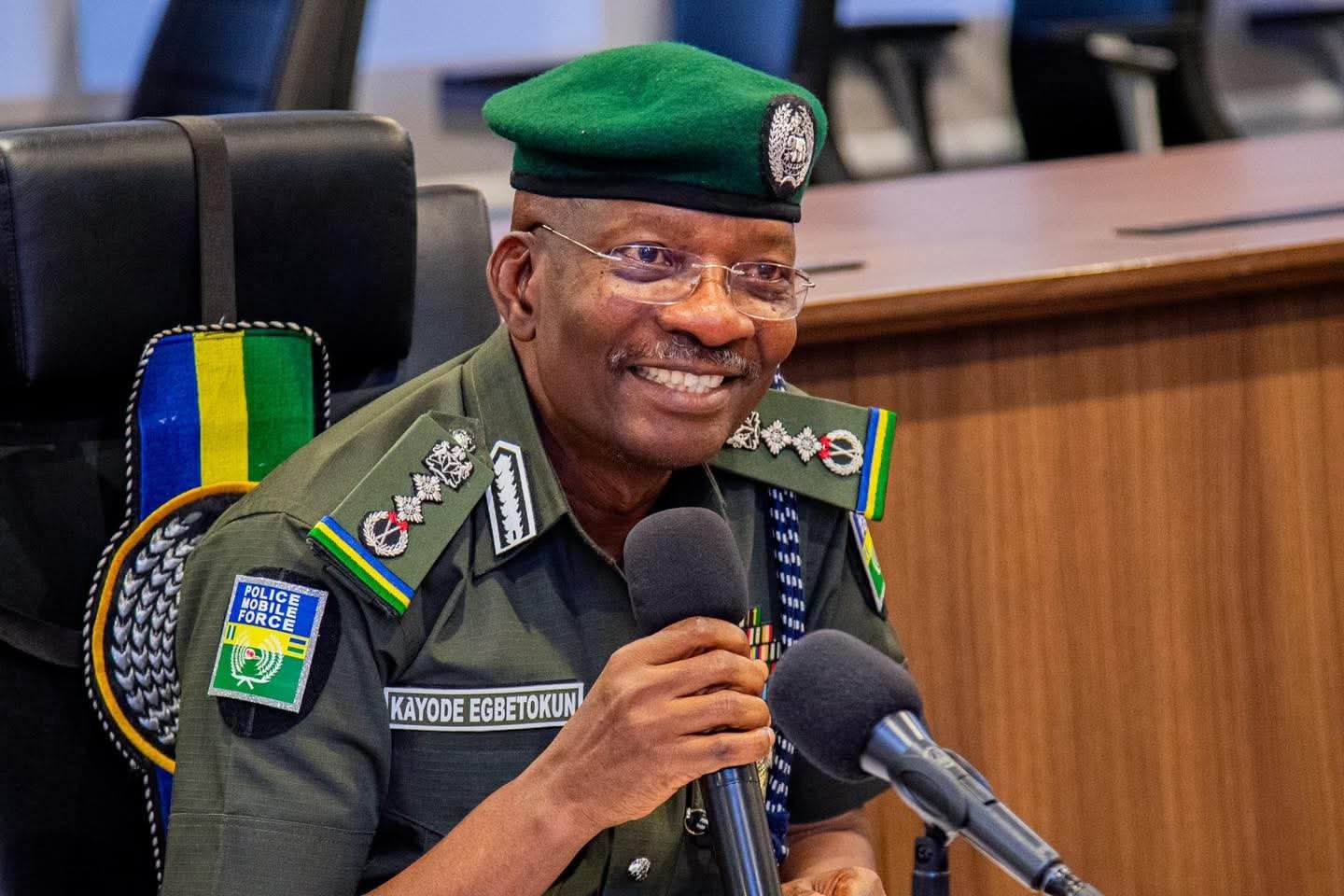
Inspector-General of Police (IGP) Kayode Egbetokun has announced that he will no longer pose for random photos with strangers. This decision comes as a measure to enhance security and maintain the integrity of the police force.
Background on the Decision
In recent times, public figures, including those in law enforcement, have increasingly faced scrutiny regarding their interactions with the public. With the rise of social media, moments captured in photographs can quickly spread, sometimes leading to unintended consequences.
IGP Egbetokun’s decision is informed by the need to create a clear distinction between personal interactions and professional duties. He aims to focus more on maintaining law and order rather than participating in casual engagements that could compromise his position or the police force’s reputation.
The move follows growing concerns about security and the potential risks associated with sharing public spaces with unknown individuals. By limiting such interactions, IGP Egbetokun aims to enhance both his safety and that of the officers under his command.
Implications for Police-Community Relations
While the decision may raise eyebrows, it reflects a larger conversation about the relationship between law enforcement and the community. Building trust and rapport with the public is essential for effective policing. However, balancing this with the need for security is equally vital.
Egbetokun acknowledges the importance of community engagement but emphasizes that interactions must be conducted in a manner that upholds security protocols. By establishing boundaries, he aims to ensure that interactions are meaningful, respectful, and safe for both parties.
This policy may lead to a more structured approach to community relations. Police officers will be encouraged to engage with residents in organized events rather than casual encounters, fostering a more professional environment. Creating specific platforms for engagement can help build trust while maintaining security.
The Role of Social Media
In an age dominated by social media, the implications of public appearances can extend far beyond the moment. Photographs can be misinterpreted, edited, or used out of context, potentially damaging reputations. IGP Egbetokun’s stance reflects an awareness of these complexities.
Moreover, the prevalence of social media can lead to an increase in targeted criticisms and unrealistic expectations from the public. By limiting unsupervised interactions, the police can focus on productive discussions and initiatives that lead to genuine community improvements.
This decision might also guide other public officials in considering how they engage with constituents. Maintaining professionalism and security can enhance the credibility of public institutions, allowing them to serve the community effectively.
Conclusion: A Focus on Professionalism and Security
In conclusion, IGP Egbetokun Kayode’s decision to stop posing for random photos with strangers underscores a proactive approach to security and professionalism within the Nigerian Police Force. By prioritizing safety over casual interactions, he aims to protect both himself and his officers.
Building effective police-community relations remains a priority, and structured engagements could offer pathways for meaningful interactions. Ultimately, this move signals a commitment to enhancing the professionalism and integrity of law enforcement in Nigeria, ensuring that public safety is always the top priority.