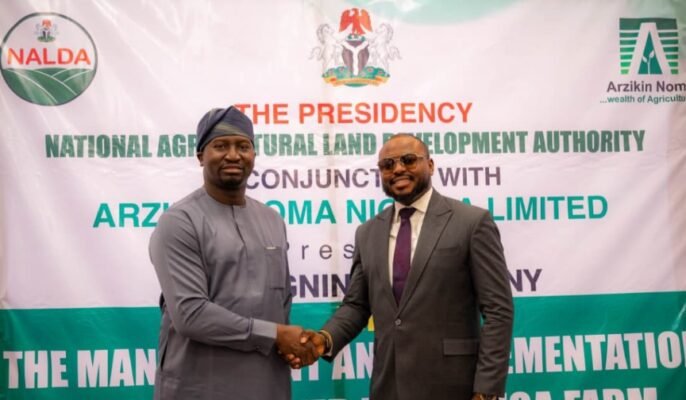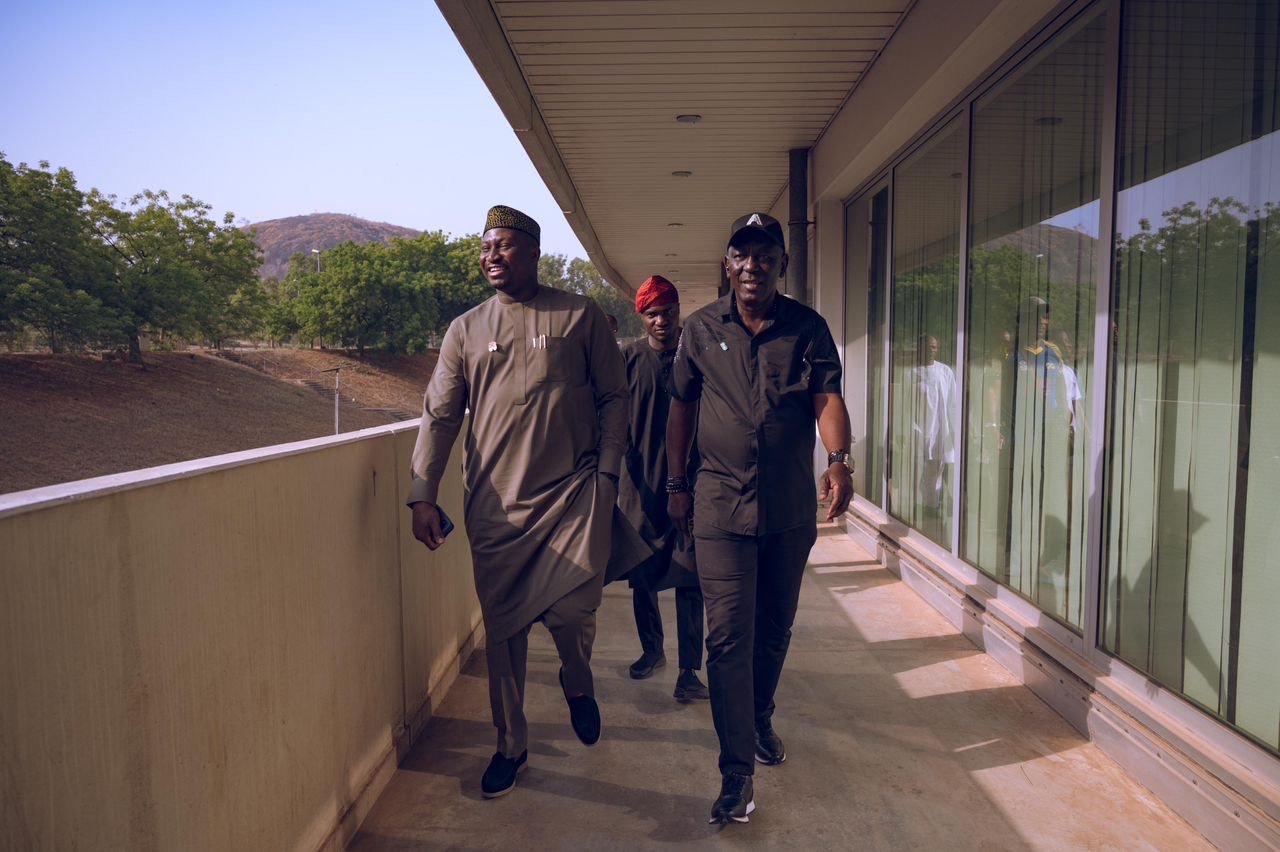
Engr. Cornelius Adebayo, the Executive Secretary and CEO of the National Agricultural Land Development Authority (NALDA), recently visited Adeboye Adeyinka, the Senior Special Assistant (SSA) on Grassroot Sports Development to the President. Their discussions focused on how NALDA and the SSA’s office can harness the potential of sports and agriculture for youth empowerment in Nigeria.
Harnessing Sports and Agriculture for Growth
The meeting highlighted the significant overlap between sports and agriculture as tools for youth empowerment. Both sectors have immense potential to create jobs and promote sustainable growth. Engr. Adebayo emphasized the importance of integrating these fields to provide diverse opportunities for Nigeria’s youth.
Young people in Nigeria face high unemployment rates, making initiatives that combine sports and agriculture vital. Engaging youth in agricultural programs can teach them valuable skills while promoting food security. Similarly, sports can serve as a platform to motivate young individuals to pursue various pathways, including careers in coaching, management, and event organization.
The collaboration between NALDA and the SSA office aims to design programs that will educate and empower young people across the country. By combining resources and knowledge, both entities can create impactful initiatives that are beneficial to the community.
Opportunities in Youth Engagement
During the discussions, both leaders explored various avenues through which sports can complement agricultural initiatives. For instance, establishing sports academies that also include agricultural education could provide participants with a holistic skill set. Such programs can instill discipline, teamwork, and leadership skills essential for both sports and agricultural endeavors.
Engr. Adebayo also acknowledged the importance of funding and sponsorship to support these initiatives. By attracting businesses and local governments to invest in youth programs, the potential for job creation and sustainable growth increases significantly. Collaborative efforts can lead to the establishment of training facilities, mentorship programs, and scholarships aimed at empowering young people.
Moreover, community engagement in both sports and agriculture fosters a sense of belonging. Involving local communities in these programs can enhance commitment and drive participation. The goal is to create an environment where youth feel empowered to take charge of their futures, contributing positively to society.
The Role of Government and Policies
The Nigerian government plays a crucial role in facilitating these programs through supportive policies and funding. The partnership between NALDA and the SSA office reflects a commitment to prioritizing youth empowerment. Both leaders underscored the need for policy frameworks that support the integration of sports and agriculture.
Effective communication between government bodies, NGOs, and local communities can lead to better implementation of these initiatives. Regular assessments and feedback mechanisms will be vital in evaluating the success of the programs. Ensuring the sustainability of such efforts will require continuous collaboration and innovation.
The discussions also touched on the importance of leveraging technology in both sectors. Utilizing digital platforms can enhance training methods and expand outreach. By incorporating modern agricultural techniques and digital sports management, young people can acquire relevant skills to thrive in today’s economy.
Conclusion: A Vision for Empowerment
In conclusion, Engr. Cornelius Adebayo’s meeting with Adeboye Adeyinka signifies a proactive approach to tackling youth unemployment through sports and agriculture. Their collaborative vision seeks to empower young Nigerians and create sustainable job opportunities.
The integration of sports and agriculture presents a unique path toward youth empowerment, fostering skills that are essential for personal and national development. With supportive policies and community involvement, these initiatives can significantly impact the future of Nigeria’s youth, driving economic growth and social cohesion. As both entities work together, there is hope for a brighter future where young people can realize their potential and contribute positively to their communities.