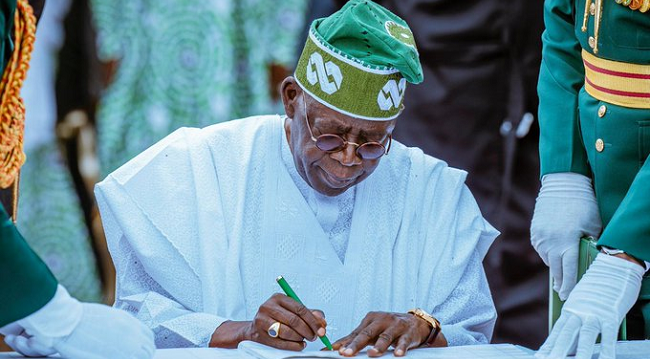
Vice-President Kashim Shettima recently announced that Nigeria’s education budget has increased to N3.52 trillion in 2025 under President Bola Tinubu’s administration. This significant investment underscores the government’s commitment to improving the education sector, which is crucial for national development.
A Historic Investment in Education
The increase in the education budget reflects a strategic initiative aimed at addressing the longstanding challenges within Nigeria’s educational framework. For years, the education sector has faced issues like inadequate funding, outdated facilities, and a lack of qualified teachers. By boosting the budget to N3.52 trillion, the administration hopes to revitalize educational institutions and enhance the overall quality of education.
Shettima emphasized that investing in education is essential for building a skilled workforce capable of driving the economy forward. Enhanced funding is expected to lead to improved infrastructure, modern learning materials, and increased access to quality education for all Nigerian children.
The Vice-President highlighted that this budget increase aligns with the administration’s broader goals of ensuring that no child is left behind. By focusing on education, the government aims to foster innovation, critical thinking, and problem-solving skills among the youth, preparing them for the future.
Goals and Strategic Focus
The new education budget encompasses various strategic initiatives designed to improve educational outcomes across the country. Key focus areas include:
- Infrastructure Development: Funds will be allocated to repair and construct new schools, ensuring that all students have access to safe and conducive learning environments.
- Teacher Training and Recruitment: The budget aims to recruit qualified teachers and provide ongoing training to enhance their skills. This is vital for improving the quality of education and instructional delivery.
- Digital Learning Resources: Recognizing the importance of technology in modern education, the budget includes provisions for digital learning tools. This move aims to integrate technology into classrooms and promote e-learning, especially in remote areas.
- Scholarships and Financial Aid: The administration plans to increase scholarship programs for underprivileged students to ensure that financial constraints do not hinder access to education.
- Curriculum Reform: An updated curriculum that aligns with global educational standards will be developed to foster relevant skills in students. This is crucial for preparing them for the demands of a rapidly changing job market.
Conclusion: Nigeria’s Education Budget Reaches N3.52 Trillion
In summary, the announcement by Vice-President Kashim Shettima about Nigeria’s education budget reaching N3.52 trillion under President Bola Tinubu indicates a strong commitment to improving the education sector. This historic investment aims to address critical challenges and foster an educational environment conducive to learning.
The focus on infrastructure, teacher training, digital resources, and curriculum reform is expected to lead to transformative changes in Nigeria’s educational landscape. As the nation invests in its youth, the potential for economic growth and national development becomes increasingly attainable.
FAQ Section
What is the new education budget for Nigeria?
The new education budget for Nigeria has increased to N3.52 trillion in 2025.
Who announced the budget increase?
The increase was announced by Vice-President Kashim Shettima.
Why is this budget increase significant?
The increase is significant because it addresses longstanding issues in Nigeria’s education sector and aims to improve educational quality.
What are the key focus areas of the new education budget?
Key focus areas include infrastructure development, teacher training, digital learning resources, scholarships, and curriculum reform.
How does the government plan to improve education quality?
The government plans to enhance education quality through infrastructure improvements, qualified teacher recruitment, and integrating technology into learning.