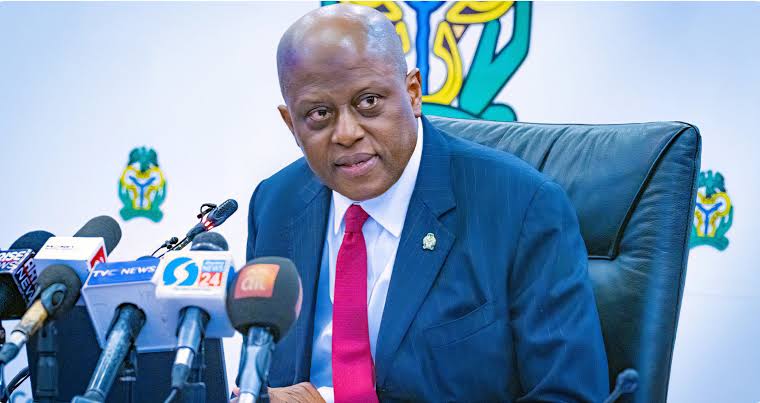
Nigeria’s financial reforms continue to shape a stronger economic future. Recently, the Governor of the Central Bank of Nigeria, Olayemi Cardoso, emphasized this renewed momentum. He explained that recent monetary and financial sector reforms have strengthened Nigeria’s resilience. As a result, the country now stands better prepared to withstand external shocks.
Furthermore, these reforms have restored investor confidence in Nigeria’s financial system. Many investors now see clearer policy direction. They also recognize stronger institutional discipline within the financial sector. Consequently, optimism about Nigeria’s economic outlook continues to grow.
A Clear Direction for Economic Stability
Nigeria’s economy has faced global pressure in recent years. Inflation, currency volatility, and global uncertainty created serious challenges. Nevertheless, reforms introduced by the Central Bank of Nigeria have started producing positive results.
According to Olayemi Cardoso, the reforms focus on transparency, discipline, and long term sustainability. These measures aim to stabilize the financial system. More importantly, they aim to protect the economy from sudden global disruptions.
In addition, policymakers have prioritized stronger financial governance. This approach encourages accountability across the banking system. Consequently, financial institutions now operate under clearer regulatory expectations.
Restoring Investor Confidence
Investor confidence remains a vital pillar of economic growth. Without it, economic progress slows significantly. Therefore, restoring trust became a major priority for policymakers.
Recent reforms have helped rebuild that trust. Investors now observe stronger financial oversight. They also see consistent policy communication from the Central Bank of Nigeria.
Furthermore, financial transparency has improved. Markets respond positively when policy signals remain clear and predictable. As a result, both local and international investors have begun paying closer attention to Nigeria’s economic opportunities.
Moreover, global investors often assess risk before committing capital. Nigeria’s reform efforts now present a clearer framework for investment decisions. Consequently, financial markets are gradually regaining stability.
Strengthening the Financial Sector
A resilient financial sector supports national development. Banks must operate efficiently. Markets must also function with transparency and discipline.
Recent reforms address these priorities directly. Regulatory adjustments now encourage stronger risk management practices. Additionally, oversight mechanisms continue to evolve.
Through these measures, Nigeria aims to build a more stable financial ecosystem. Strong institutions remain essential for economic transformation. Therefore, policymakers continue focusing on structural improvements.
Importantly, financial stability supports job creation and economic expansion. When banks remain strong, businesses gain easier access to capital. Entrepreneurs can also invest more confidently in new ventures.
Preparing Nigeria for Global Economic Shocks
Global economic shocks remain unpredictable. Commodity price fluctuations, geopolitical tensions, and international market volatility can disrupt emerging economies. Nigeria has experienced these challenges before.
However, the reform agenda now focuses on building economic resilience. According to Olayemi Cardoso, the goal involves preparing Nigeria to absorb global shocks without severe disruption.
Therefore, financial safeguards continue to improve. Policymakers also monitor global economic trends closely. This proactive strategy allows Nigeria to respond quickly when global pressures arise.
Moreover, diversification efforts continue gaining attention. A stronger financial system supports broader economic reforms across multiple sectors.
A Renewed Path Toward Growth
Nigeria’s reform journey continues to unfold. While challenges remain, progress is becoming increasingly visible. Financial discipline now guides policy decisions more consistently.
Under the leadership of Olayemi Cardoso, the Central Bank of Nigeria continues promoting stability and investor trust. These reforms represent more than short term adjustments. Instead, they signal a long term commitment to economic resilience.
Ultimately, investor confidence grows when policies remain consistent and transparent. Nigeria’s financial reforms now reflect that principle.
As these efforts continue, Nigeria moves steadily toward a more stable and competitive economy. Consequently, both investors and citizens watch closely as the nation strengthens its financial foundation.