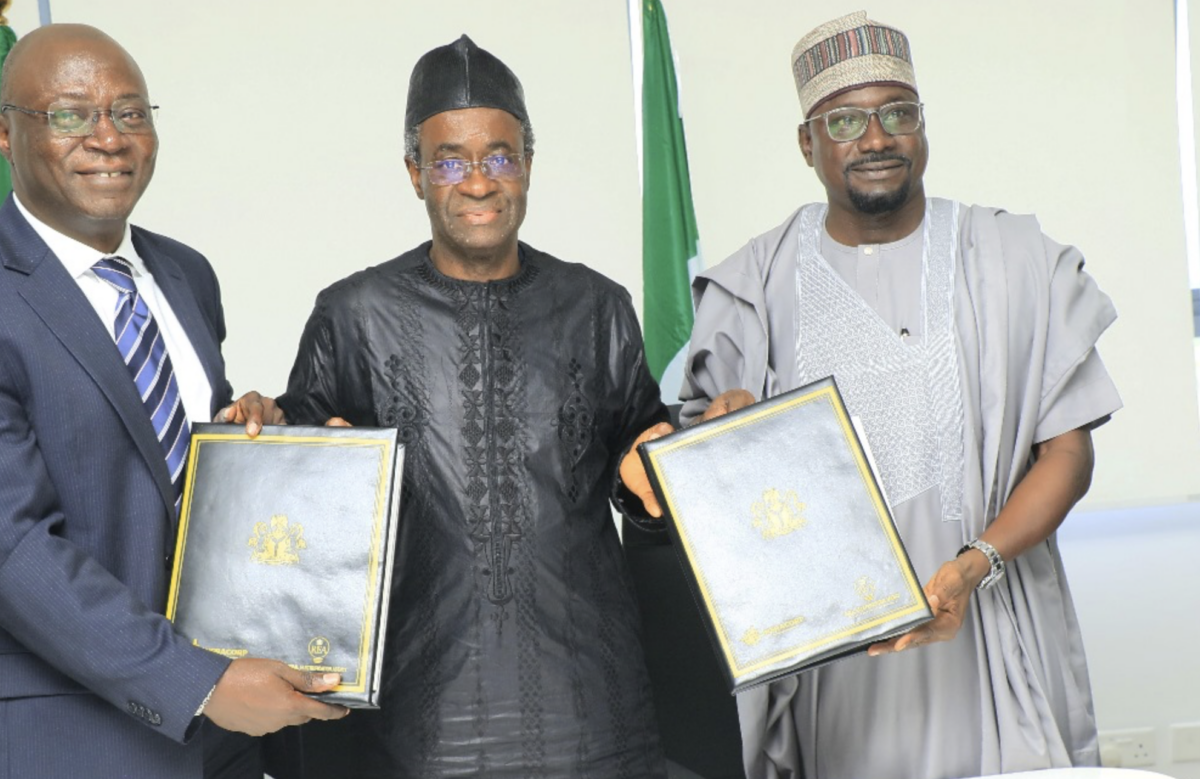
The National Information Technology Development Agency (NITDA) has engaged in talks with TrustSTAMP to explore advancements in biometric tokenization and digital identity technologies. Under the leadership of Kashifu Inuwa, NITDA aims to enhance fraud prevention and secure trust infrastructure in Nigeria.
Importance of Biometric Technology in Nigeria
Biometric technology has gained significance globally as a means of verifying identity and securing personal data. In Nigeria, where issues of identity fraud and cybersecurity are prevalent, implementing effective biometric solutions is crucial. The partnership between NITDA and TrustSTAMP is a strategic move to leverage this technology for national progress.
The discussions aim to address the challenges posed by inadequate identity verification systems, which can lead to increased fraud and insufficient security frameworks. By adopting biometric tokenization methods, NITDA intends to create a more secure environment for transactions, government services, and citizen identification.
Querying identity fraud represented a pressing need, especially given the rapid digitization across various sectors in Nigeria. Developing a robust digital identity system will enable the government to enhance service delivery and build trust among citizens.
Key Focus Areas for Collaboration
During the talks, key focus areas included the integration of biometric technologies into existing systems and creating a reliable infrastructure for managing digital identities. TrustSTAMP, known for its innovative solutions in biometric verification, offers valuable expertise that could significantly benefit Nigeria’s technological landscape.
The collaboration is expected to develop frameworks that address security challenges while streamlining processes for citizens. The implementation of biometric identification will facilitate smoother interactions with government agencies and financial institutions, ultimately improving efficiency.
Furthermore, enhancing fraud prevention methods through biometric tokenization will strengthen Nigeria’s anti-fraud measures. As more sectors embrace digital transformation, integrating secure identification systems becomes imperative to ensure public safety and confidence.
Kashifu Inuwa highlighted the importance of fostering partnerships with tech innovators like TrustSTAMP to facilitate these advancements. By collaborating with industry leaders, NITDA seeks to position Nigeria at the forefront of digital identity management.
Future Implications for Digital Identity in Nigeria
The successful integration of biometric technology has far-reaching implications for Nigeria’s socio-economic landscape. Implementing a reliable and secure digital identity system can improve access to various services, including banking, healthcare, and education.
As Nigeria progresses toward greater digitization, establishing a secure identity verification system is essential in building trust between citizens and governmental institutions. This initiative can lead to increased participation in digital services, ultimately driving economic growth.
Moreover, the collaboration between NITDA and TrustSTAMP could attract investments in technology and innovation. Showcasing Nigeria’s commitment to secure digital infrastructure may encourage local and international businesses to establish operations within the country.
The emphasis on biometric identity technology aligns with global trends towards enhanced security and functionality in digital services. As other nations adopt similar measures, Nigeria can learn and adapt best practices to develop solutions tailored to its unique context.
Conclusion: A Step Towards Secure Digital Future
In conclusion, the discussions between NITDA and TrustSTAMP on biometric tokenization and digital identity represent a proactive step towards enhancing Nigeria’s security infrastructure. Under Kashifu Inuwa’s leadership, NITDA is committed to leveraging innovative technologies to combat fraud and streamline citizen services.
By focusing on secure identity verification, Nigeria can create a more trustworthy digital ecosystem that benefits all citizens. These initiatives hold the potential to transform the way Nigerians interact with services, paving the way for a secure and prosperous digital future.