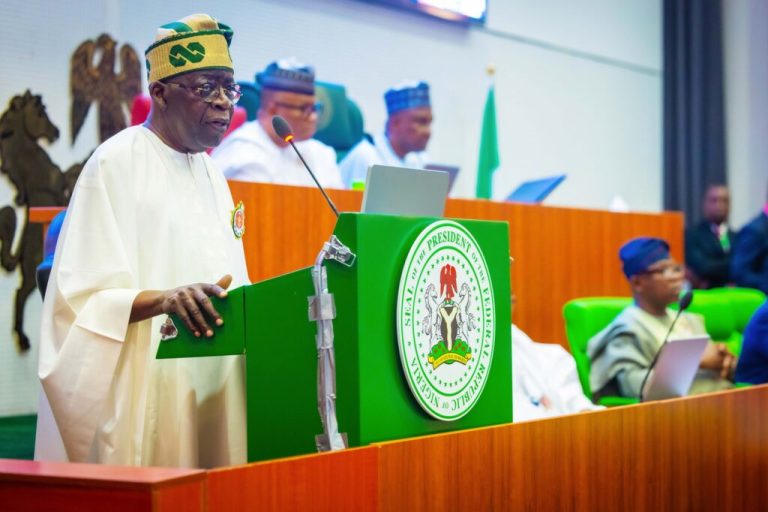
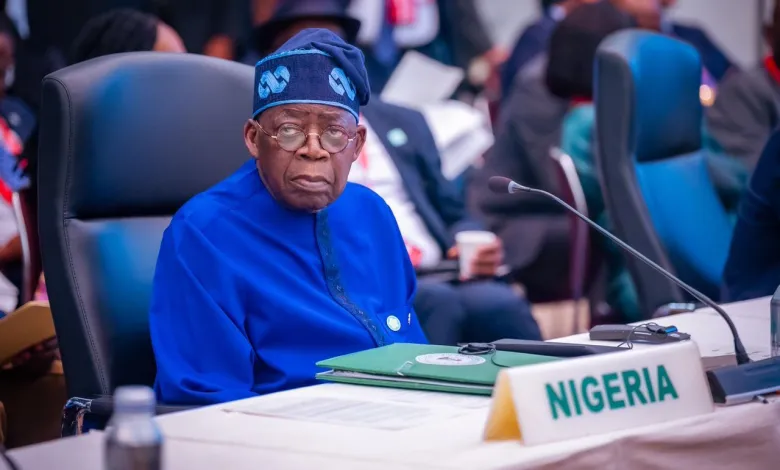
The Senate has approved President Bola Tinubu’s request to raise ₦1.15 trillion from the domestic loan market and this funding will address the budget deficit for the upcoming fiscal year, specifically to cover the unfunded portion of the 2025 budget.
Understanding the Budget Deficit
The budget deficit occurs when a government’s expenditures exceed its revenues. This situation can lead to shortfalls in critical public services and infrastructure development. The current budget deficit in Nigeria has raised alarms about the necessity for immediate financial intervention.
By approving President Tinubu’s loan request, the Senate aims to stabilize the nation’s economic situation. The funding will help ensure that essential projects and government operations are adequately financed. This is especially crucial in a time of rising inflation and economic uncertainty.
The loan will primarily be sourced from the domestic debt market, which brings both opportunities and challenges. While it allows the government to secure funding relatively quickly, it also adds to the national debt burden. As Nigeria continues to manage its financial health, the implications of increasing domestic debt must be closely monitored.
The Implications of the Loan Approval
The approval of the ₦1.15 trillion loan carries significant implications for Nigeria’s economy. First, it provides immediate resources to support key initiatives, particularly in education, healthcare, and infrastructure. These sectors are vital for national development and require continuous investment.
However, the loan also raises concerns about fiscal responsibility. Experts warn that repeatedly relying on loans can lead to unsustainable debt levels, affecting future economic stability. Consequently, the government must devise strategies to enhance revenue generation and reduce dependency on borrowing.
Furthermore, this loan is likely to influence investor confidence. A well-structured financial strategy may attract more foreign investment, while excessive borrowing could deter potential investors concerned about debt levels. Therefore, how the government manages this loan will play a significant role in shaping Nigeria’s economic landscape.
Equally important is the accountability of funds. Citizens will be looking to the administration for transparency regarding how the borrowed money is allocated and utilized. Effective monitoring and reporting mechanisms should be implemented to ensure that funds generate meaningful outcomes for the populace.
Conclusion: Senate Approves Tinubu’s Loan for Budget Deficit
In summary, the Senate’s approval of President Bola Tinubu’s ₦1.15 trillion loan request represents a crucial step in addressing Nigeria’s budget deficit. While it provides immediate financial relief, the long-term implications of increased borrowing must be carefully managed.
By focusing on responsible fiscal practices and transparent fund allocation, the Tinubu administration can help navigate Nigeria toward sustainable economic growth. The next steps will be vital in determining the effectiveness of this financial strategy.
FAQ Section
Why did the Senate approve the loan?
The Senate approved President Tinubu’s loan to cover the budget deficit and ensure essential government services are financed.
What will the loan be used for?
The loan will primarily fund critical sectors, including infrastructure, healthcare, and education.
How does increasing the national debt affect Nigeria?
Relying heavily on loans can lead to unsustainable debt levels, impacting economic stability and investor confidence.
What should the government do to improve fiscal responsibility?
The government must explore avenues for enhancing revenue generation and implement transparent fund management strategies.