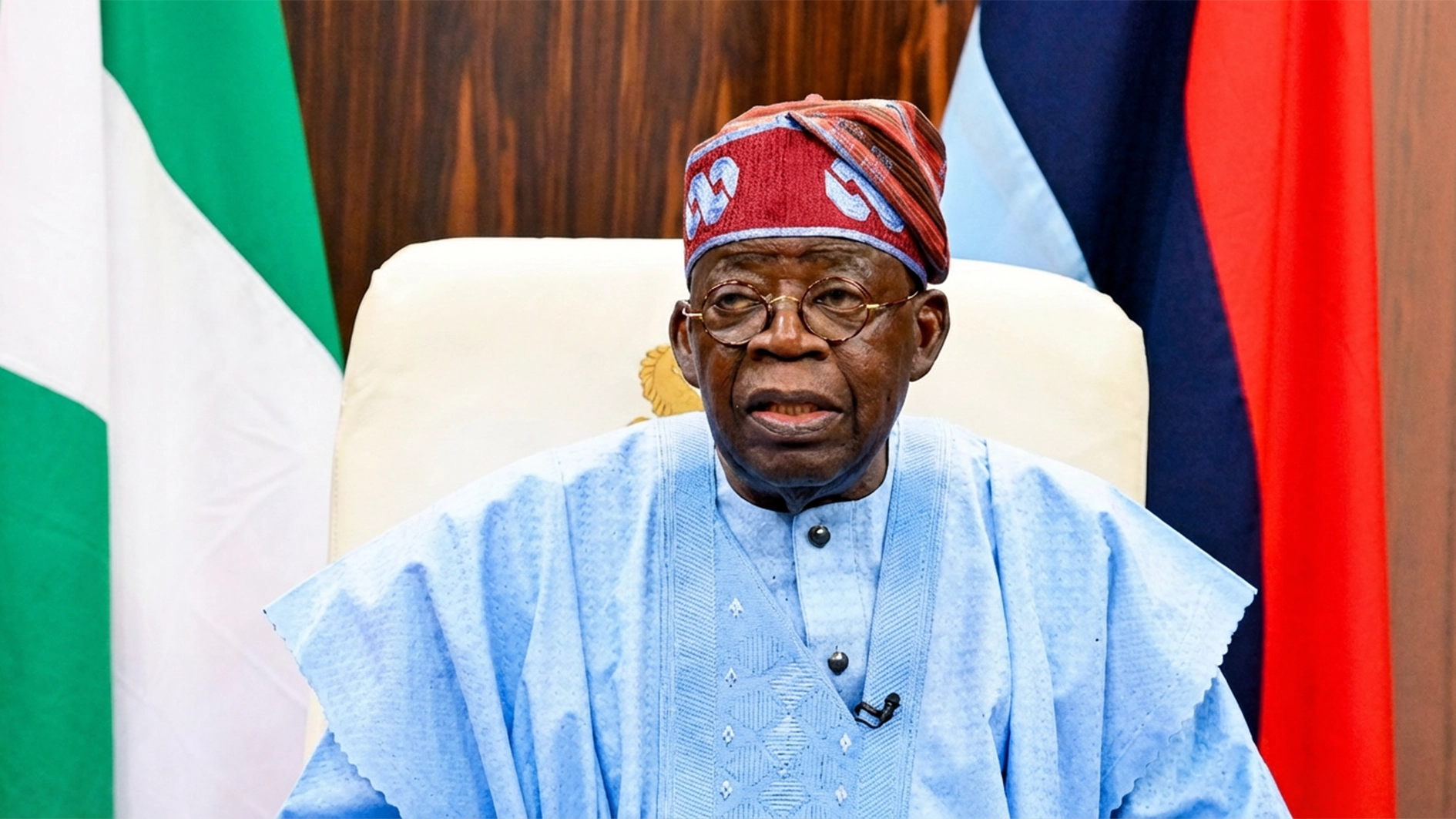
President Bola Ahmed Tinubu has pledged strong support for the Nigerian media in its evidence-led campaign against the growing dominance of global technology companies. He also expressed concern about anti competitive practices and the harsh economic challenges facing local media organizations.
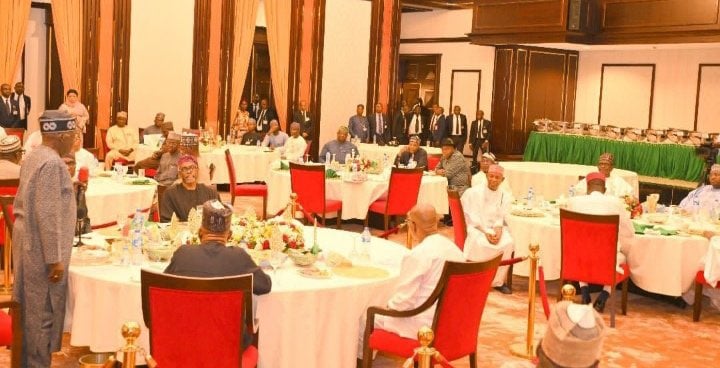
The President made this commitment while addressing stakeholders in the media industry. He emphasized that a strong and independent press remains essential for democracy and national development.
Therefore, his administration intends to work closely with media institutions to create a fair and sustainable environment for journalism in Nigeria.
Rising Pressure on Local Media
Across the world, media organizations face increasing pressure from large technology platforms. These companies control major digital advertising markets and content distribution networks.
Consequently, many local media outlets struggle to compete for revenue and visibility.
In Nigeria, the situation has become even more difficult. Rising operational costs, declining advertising revenue, and rapid digital disruption continue to challenge traditional media businesses.
As a result, industry stakeholders have intensified calls for policy reforms and stronger regulatory frameworks.
President Bola Ahmed Tinubu acknowledged these concerns. He noted that the Nigerian media plays a vital role in shaping public discourse and promoting transparency.
Therefore, he stressed the need for policies that protect the sustainability of local journalism.
Addressing Big Tech Dominance
Global technology companies now dominate digital advertising and online content distribution. These platforms attract massive audiences and control sophisticated data systems.
However, many critics argue that their market power creates unfair competition for local media organizations.
Media publishers often produce the original content that appears on digital platforms. Yet, they receive only a small share of the revenue generated from online distribution.
This imbalance has raised concerns across many countries.
In response, several governments around the world have introduced regulations to address Big Tech dominance. These policies aim to ensure that technology companies compensate media organizations for the content they use.
Nigeria’s media stakeholders now advocate similar measures.
President Tinubu said his administration will carefully examine these global developments. Moreover, the government will consider policies that promote fair competition within the digital media ecosystem.
Supporting Evidence Based Advocacy
The Nigerian media has begun an evidence based campaign to highlight the economic impact of Big Tech dominance. Through research and data analysis, industry leaders seek to demonstrate how current digital market structures disadvantage local publishers.
President Tinubu expressed support for this approach.
He noted that credible evidence will help policymakers understand the full scale of the challenge. Furthermore, data driven advocacy can guide the development of effective regulatory solutions.
Therefore, the administration encourages collaboration between journalists, researchers, regulators, and media organizations.
Such cooperation can help build a stronger foundation for policy reform.
Protecting Media Sustainability
Sustainable journalism remains essential for democratic governance. Independent media organizations investigate corruption, inform citizens, and provide platforms for public debate.
However, financial instability threatens the long term survival of many news outlets.
President Tinubu emphasized that Nigeria cannot afford to lose its independent media voices. Therefore, government policies must support innovation while also protecting media institutions.
In addition, stronger partnerships between government and industry stakeholders may help create new economic opportunities for journalism.
Digital transformation, improved advertising models, and policy reforms could all play important roles.
Looking Ahead
The commitment by President Bola Ahmed Tinubu signals growing recognition of the challenges facing Nigeria’s media sector.
As technology continues to reshape the global information economy, governments must balance innovation with fair competition.
Nigeria now joins a broader international conversation about the future of journalism in the digital age.
Through collaboration, evidence based advocacy, and thoughtful regulation, the country may develop policies that strengthen media sustainability.
Ultimately, a vibrant media industry will support transparency, democratic accountability, and national development.