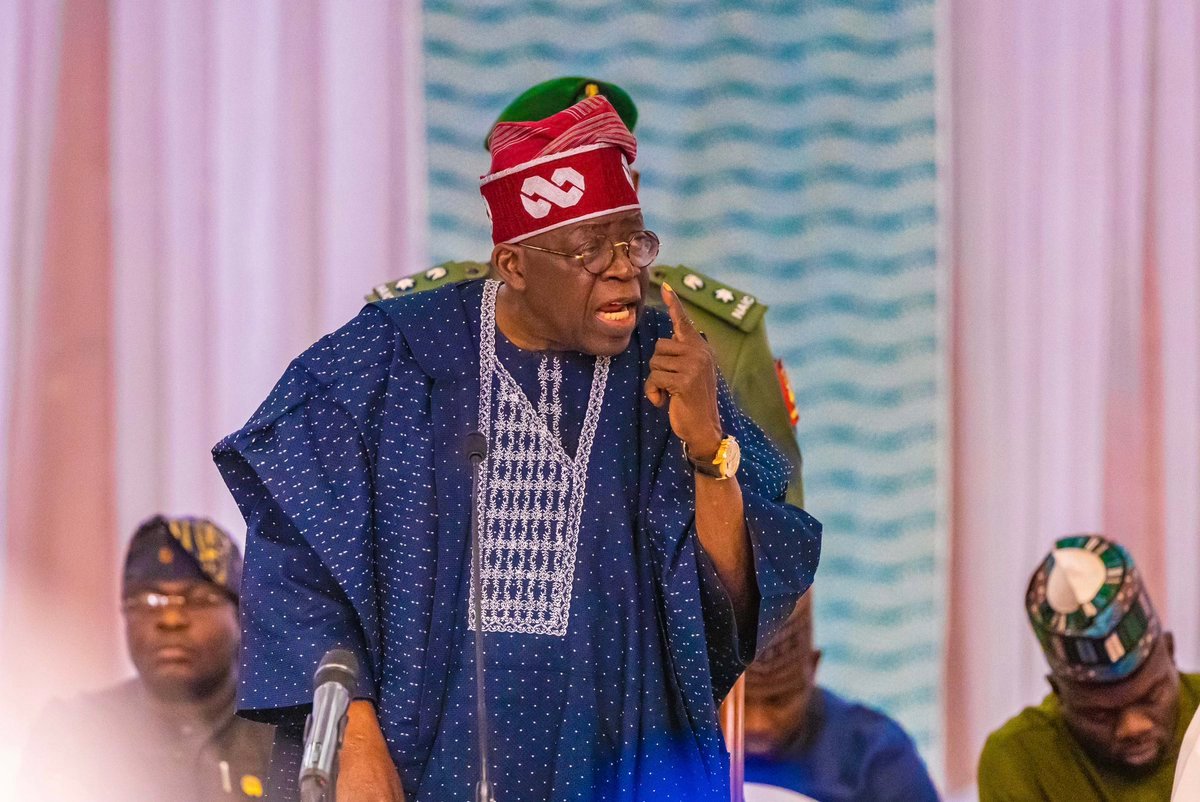
In the aftermath of the recent elections, President Bola Tinubu stands at a pivotal moment that redefines perceptions surrounding the electoral law in Nigeria. His implementation of the new electoral law faced significant scrutiny and skepticism, with many critics claiming that it was tailored to favor those in power. However, the outcome revealed an unexpected twist, as an opposition candidate emerged victorious, showcasing the law’s impartiality.
The Context of the Electoral Law
The electoral law introduced by Tinubu aimed at enhancing the democratic process in Nigeria. It sought to address persistent issues, including electoral violence, vote-buying, and transparency in the voting process. Despite its intentions, critics argued that the law would entrench the ruling party’s power and limit the opposition’s capacity to compete effectively.
Opposition figures and some civil society groups voiced concerns about aspects of the law that they perceived as restrictive. They argued that it could undermine the fundamental principles of democracy, leading to a less competitive electoral environment and hindering the free expression of political choice.
Nonetheless, as the elections unfolded, it became evident that the law functioned effectively in facilitating a fair process. The results showed a remarkable participation from voters across various demographics, reflecting a desire for change and engagement in the electoral process.
An Unexpected Outcome
The most notable takeaway from this election cycle was the emergence of an opposition candidate as the victor. This outcome fundamentally challenged the narrative that the electoral law was designed to advantage incumbents. It illustrated that the new regulations could operate without bias, ensuring that all candidates, regardless of their political affiliation, had a fair chance at success.
The peaceful nature of the elections and the orderly conduct of procedures further reinforced the integrity of the process. Voter turnout was robust, demonstrating that citizens were eager to participate and exercise their rights. The unexpected victory for the opposition candidate signaled a shift in the political landscape, emphasizing that the electorate demands accountability and effective governance.
Implications for the Future
President Tinubu’s electoral law not only upheld democratic values but also provided a framework for future elections in Nigeria. Its successful implementation indicates a necessary evolution in the country’s political system. The law fosters an environment conducive to fair competition and encourages all political parties to present their visions for governance convincingly.
Looking ahead, it will be crucial for the Tinubu administration to build on this momentum. Ensuring continuous dialogue with stakeholders, including opposition parties and civil society organizations, can foster trust and collaboration. This inclusive approach will only strengthen the credibility of future elections and further entrench democratic ideals.
Moreover, this successful election cycle can serve as a model for other nations grappling with similar democratic challenges. Nigeria’s experience demonstrates how legal frameworks, when applied impartially, can enhance public confidence in the electoral process and empower voters.
In conclusion, President Bola Tinubu and his administrative electoral law, initially criticized as an instrument of power, proved its fairness in the recent elections. The emergence of an opposition candidate as the victor underscores the potential for an impartial electoral process in Nigeria.
As the nation reflects on this electoral cycle, it stands as a testament to the resilience of democracy and the importance of laws that genuinely promote fairness. The future of Nigeria’s political landscape hinges on continuing to embrace transparency, inclusivity, and accountability, ensuring that every voice is heard in the democratic process.