
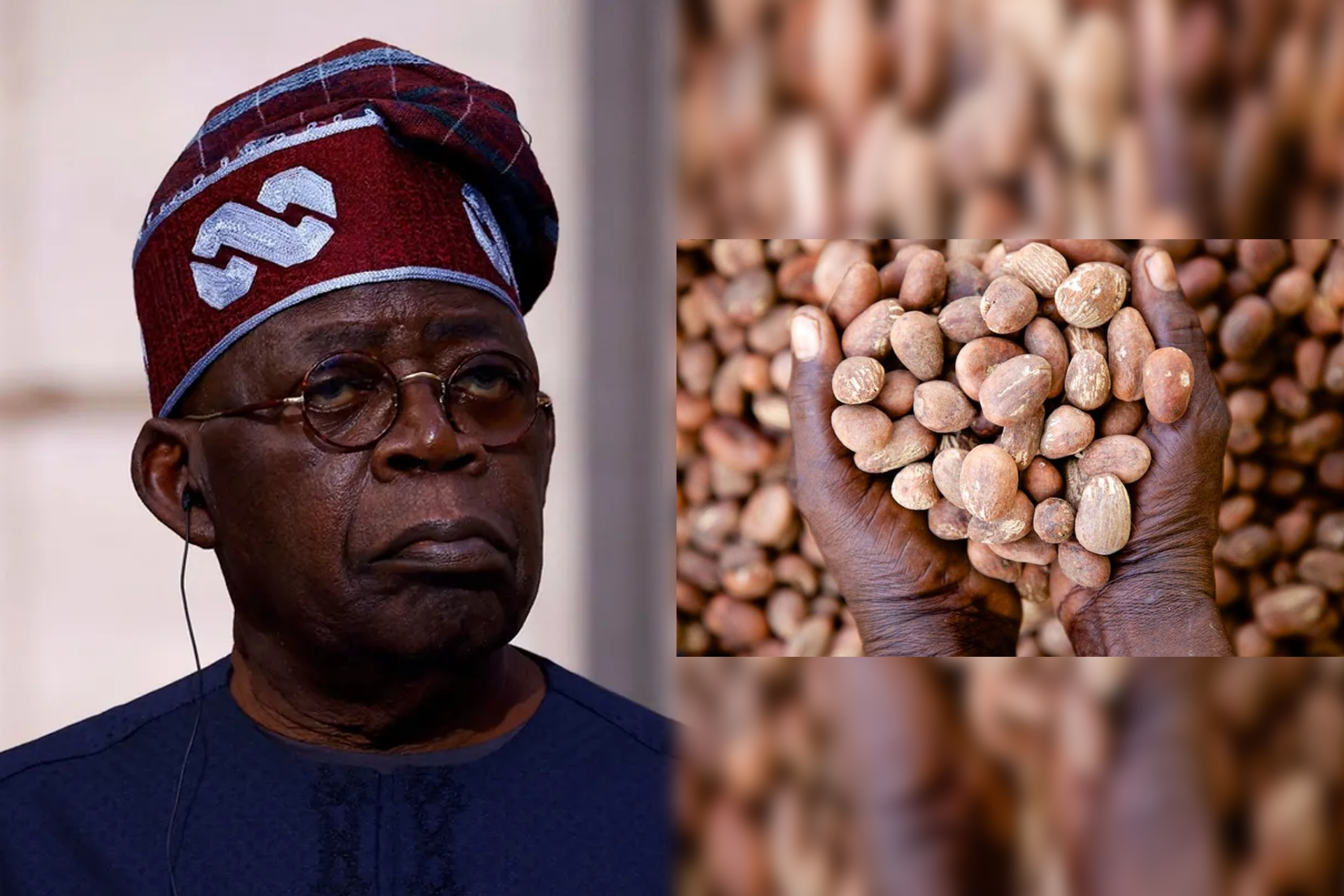
President Bola Ahmed Tinubu has approved the extension of the ban on the export of raw shea nuts for another year. This decision continues to affect an important sector of Nigeria’s agricultural economy, emphasizing the government’s commitment to value addition before export.
Reasons Behind the Export Ban
The ongoing ban on the export of raw shea nuts aims to stimulate local processing and enhance the economic benefits derived from the shea industry. By preventing raw exports, the government encourages investment in processing facilities that can create jobs and improve product quality.
The shea nut industry holds significant potential for economic growth in Nigeria. With abundant shea trees found across the country, fostering local processing can increase the volume of shea butter and other products made from shea nuts. Value addition is key for increasing revenue both for farmers and the nation as a whole.
Invoices from local processing can lead to higher profit margins compared to exporting raw materials. The government hopes this strategy will encourage local entrepreneurs to invest in the sector, ultimately leading to the establishment of a robust shea industry in Nigeria.
Impact on Farmers and the Economy
The extension of the ban directly impacts shea nut farmers across Nigeria. While some farmers may initially feel the burden of not being able to export raw nuts, the government’s long-term vision aims to provide greater financial security. Processing shea nuts locally can offer farmers better prices and more stable income sources.
Additionally, the shea sector represents an opportunity to diversify Nigeria’s economy beyond oil dependence. By investing in agricultural value chains, the government can reduce vulnerability to global oil price fluctuations and create sustainable pathways for growth.
To further support farmers, the government can roll out training programs on best practices in shea nut processing and marketing. Providing farmers with access to resources and knowledge is crucial for their successful transition to a more profitable model.
Future Prospects for the Shea Industry
As Bola Ahmed Tinubu continues to seek ways to strengthen Nigeria’s agricultural sector, the shea nut ban represents a clear strategy focused on value addition. With local processing initiatives in place, the government can stimulate economic activity and create jobs while ensuring higher-quality products for both local and international markets.
The extension of the ban allows time for stakeholders to prepare for the transition. Engaging with farmers, processors, and potential investors is essential for building a cooperative ecosystem in the shea industry. As local processing capacity grows, Nigeria can position itself as a significant player in the global shea market.
In conclusion, the decision to extend the ban on raw shea nuts by President Tinubu reflects a commitment to developing Nigeria’s agricultural landscape. By prioritizing local processing, the government aims to enhance economic resilience and create sustainable livelihoods for many farmers.
With the proper implementation and support, the shea industry can flourish, providing benefits to communities and the broader Nigerian economy. Embracing this path can ultimately transform challenges into opportunities for growth and prosperity.