
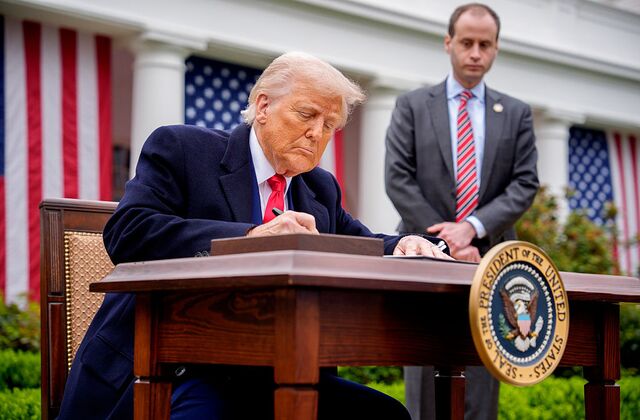
Former President Donald Trump has announced plans to impose a 30% tariff on imports from South Africa. This decision has sparked significant debate and concern among trade experts and business leaders.
Reasons for the Tariff
The proposed tariff is part of Trump’s broader strategy to protect American industries. He argues that foreign imports have harmed domestic manufacturers. By imposing these tariffs, Trump aims to level the playing field for U.S. companies. He claims that South African goods have been unfairly subsidized, leading to an imbalance in trade.
In recent statements, Trump highlighted the need for stronger trade policies. He believes that tariffs can help revive American manufacturing and create jobs. Supporters of this approach argue that it will encourage consumers to buy American-made products. However, critics warn that such tariffs could lead to higher prices for consumers.
The South African government has expressed strong opposition to the tariff. Officials argue that the move could damage trade relations and economic cooperation between the two countries. They emphasize the importance of constructive dialogue and negotiation in addressing trade issues.
Impacts on South Africa and the U.S.
The imposition of a 30% tariff on South African imports could have significant repercussions. For South African businesses, this tariff may limit access to the lucrative U.S. market. Industries such as agriculture, textiles, and mining could be particularly affected. Many companies rely on exports to the U.S. as a vital source of revenue.
In the U.S., the tariff could lead to increased costs for American consumers. Retailers that import South African goods may pass on these costs to shoppers. This could result in higher prices for various products, from clothing to food items. Some economists predict that the tariff could also lead to retaliatory measures from South Africa, further escalating trade tensions.
Moreover, the tariff could strain diplomatic relations between the two nations. Historically, the U.S. and South Africa have enjoyed cooperative ties, particularly in areas like trade and investment. The introduction of such tariffs could undermine efforts to strengthen these relationships.
In conclusion, Donald Trump’s decision to impose a 30% tariff on South African imports has significant implications for both countries. While aimed at protecting American industries, the move raises concerns about economic repercussions and diplomatic relations. As the situation unfolds, businesses and policymakers on both sides will closely monitor its effects. The hope is that constructive dialogue can mitigate potential trade conflicts and foster a more balanced approach to international trade.