The World Bank recently praised Nigeria’s ongoing economic reforms, describing the country as a global reference point for steady and credible reform leadership. This recognition highlights Nigeria’s significant strides toward improving its economic landscape and enhancing governance.
Nigeria as a Leader in Economic Reform
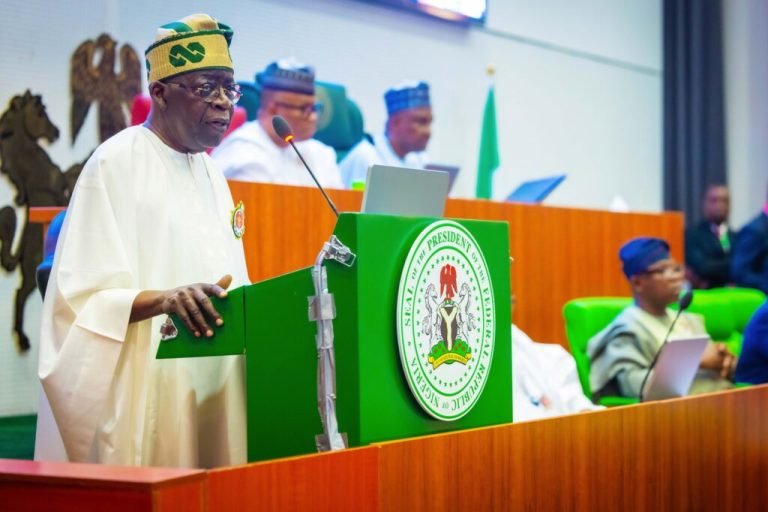
The acknowledgment from the World Bank reflects Nigeria’s commitment to implementing reforms that foster sustainable economic growth. Under the leadership of President Bola Tinubu, the government has prioritized initiatives that enhance the business environment, increase accountability, and streamline regulations.
The World Bank noted that Nigeria’s reforms have not only been effective but have also positioned the country as an example for other nations. By adopting policies that promote transparency and inclusivity, Nigeria is setting a precedent for managing economic challenges.
Key reforms include efforts to diversify the economy beyond oil dependency and strengthen agricultural productivity. The government has introduced programs aimed at developing local industries and attracting foreign investments. This multifaceted approach is essential for fostering resilience against economic shocks.
Additionally, the World Bank recognized Nigeria’s focus on social safety nets to protect vulnerable populations during the reform process. This commitment to inclusivity ensures that economic growth benefits all segments of society, reducing inequalities.
Deepening Partnership for Future Growth
Following this commendation, the World Bank has expressed its desire to deepen its partnership with Nigeria. The organization aims to provide further support in areas such as infrastructure development, healthcare, and education.
A collaborative approach will involve aligning resources with Nigeria’s priorities, ensuring that reforms lead to tangible improvements in citizens’ lives. The World Bank’s support will be instrumental in implementing projects that drive economic development and enhance public services.
For instance, investments in infrastructure can facilitate trade and boost local businesses. Improved healthcare systems can enhance productivity by ensuring a healthier workforce. Education initiatives will empower the youth, equipping them with the skills necessary for a modern economy.
Reaffirming Commitment to Reforms
The Nigerian government remains committed to maintaining the momentum of economic reforms. As the World Bank praises Nigeria’s efforts, government officials are keen to leverage this recognition to drive further investment and innovation.
Continuous monitoring and evaluation of reforms will be vital for ensuring their effectiveness. By gathering feedback from stakeholders, including citizens and businesses, the government can make informed adjustments to policies and programs.
Additionally, transparency in the implementation of reforms will build public trust and encourage greater participation in governance. Engaging civil society organizations can help identify areas for improvement and foster a collaborative environment for reform.
Conclusion: A Path Toward Prosperity
In conclusion, the World Bank’s commendation of Nigeria’s economic reforms highlights the country’s progress in creating a more robust and inclusive economy. As Nigeria emerges as a global reference point for reform leadership, it also marks a significant step towards sustainable growth.
The commitment to deepening partnership with the World Bank will enhance Nigeria’s ability to address its economic challenges effectively. Together, they can implement strategies that promote development, create jobs, and improve the overall quality of life for Nigerians.
Through continued reforms and collaboration, Nigeria can pave the way for a prosperous future, demonstrating that effective governance and strong leadership can lead to meaningful change.