
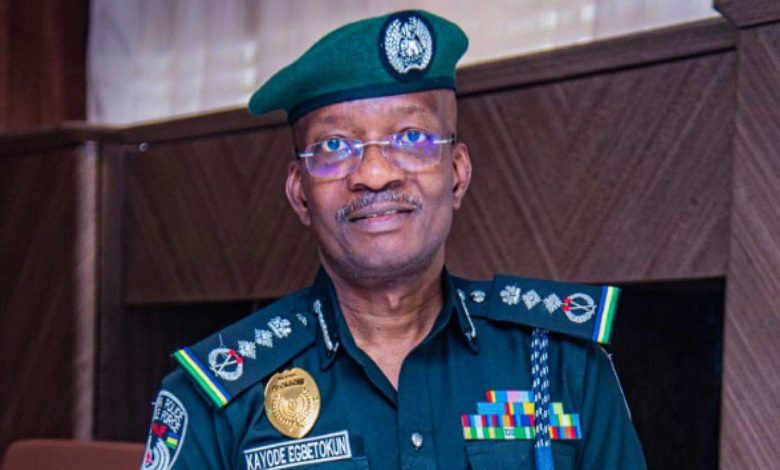
The Inspector-General of Police (IGP), Kayode Egbetokun, has announced disciplinary measures against officers involved in a planned protest regarding police salaries and welfare.
Disciplinary Measures Implemented
Egbetokun ordered the demotion and dismissal of officers detained for their participation in organizing the protest. He stated that such actions undermine the integrity of the police force. “We will not tolerate any misconduct that disrupts our operations,” he emphasized during a recent briefing in Abuja.
The planned protest aimed to address long-standing grievances over police salaries, welfare, and pension schemes. Many officers have expressed dissatisfaction with their pay and working conditions. This unrest highlights ongoing issues within the Nigerian police system, which has faced criticism for inadequate support for its personnel.
The IGP’s directive has led to mixed reactions among officers. Some feel it is an attempt to silence their concerns. Others worry that such punitive measures could further demoralize the force. “We just want our voices to be heard,” one officer remarked.
Addressing the Underlying Issues
In light of the unrest, the IGP has acknowledged the need to improve police welfare. “We are committed to reviewing salary structures and pension schemes,” Egbetokun stated. He urged officers to utilize proper channels to voice their grievances rather than resorting to protests.
Egbetokun also emphasized that the primary duty of police officers is to maintain law and order. “We must focus on our responsibility to serve the public,” he said. The IGP believes that protests could disrupt the peace and safety that the police are sworn to uphold.
Critics argue that merely implementing disciplinary measures will not resolve the underlying issues affecting officers. Many feel that without significant reforms, discontent will continue to grow. The police leadership faces pressure to demonstrate a genuine commitment to improving conditions for its personnel.
As the situation develops, the response from police leadership will be crucial. Officers are eager to see meaningful changes that address their concerns. The proposed reforms to salaries and welfare could play a significant role in restoring morale and trust within the ranks.
In conclusion, the IGP’s order for disciplinary action highlights the ongoing tension within the Nigerian police force. While addressing grievances is essential, the manner in which the government responds will shape the future of police welfare and effectiveness in Nigeria. Ensuring that officers feel valued and supported is vital for maintaining a capable and motivated police force.