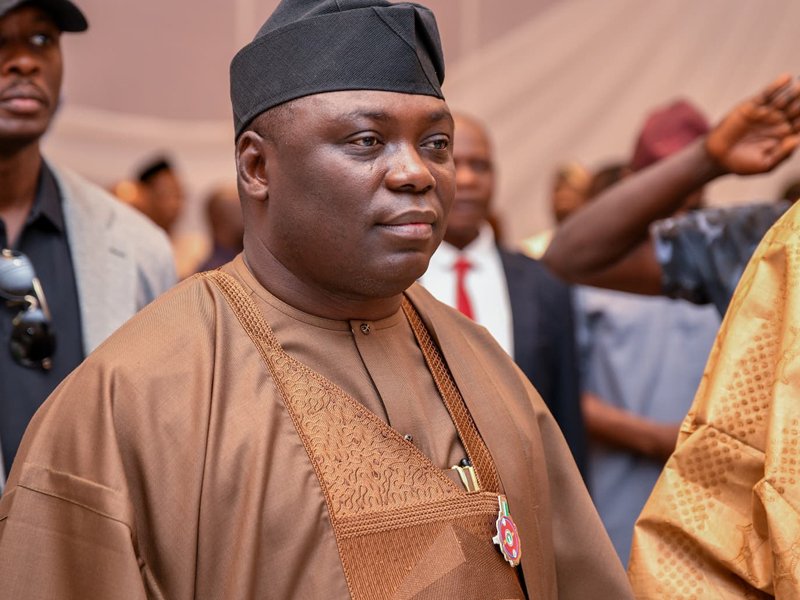
Governor Agbu Kefas is the current leader of Taraba State and a retired officer of the Nigerian Army. Since assuming office in May 2023, Governor Agbu has introduced bold policies that continue to shape governance and development in the state. His administration has drawn national attention for its focus on education reform, institutional strengthening, and recent political realignment.
Across Nigeria’s political landscape, Governor Agbu is increasingly viewed as one of the most influential subnational leaders driving change at the state level.
Early Life and Military Background
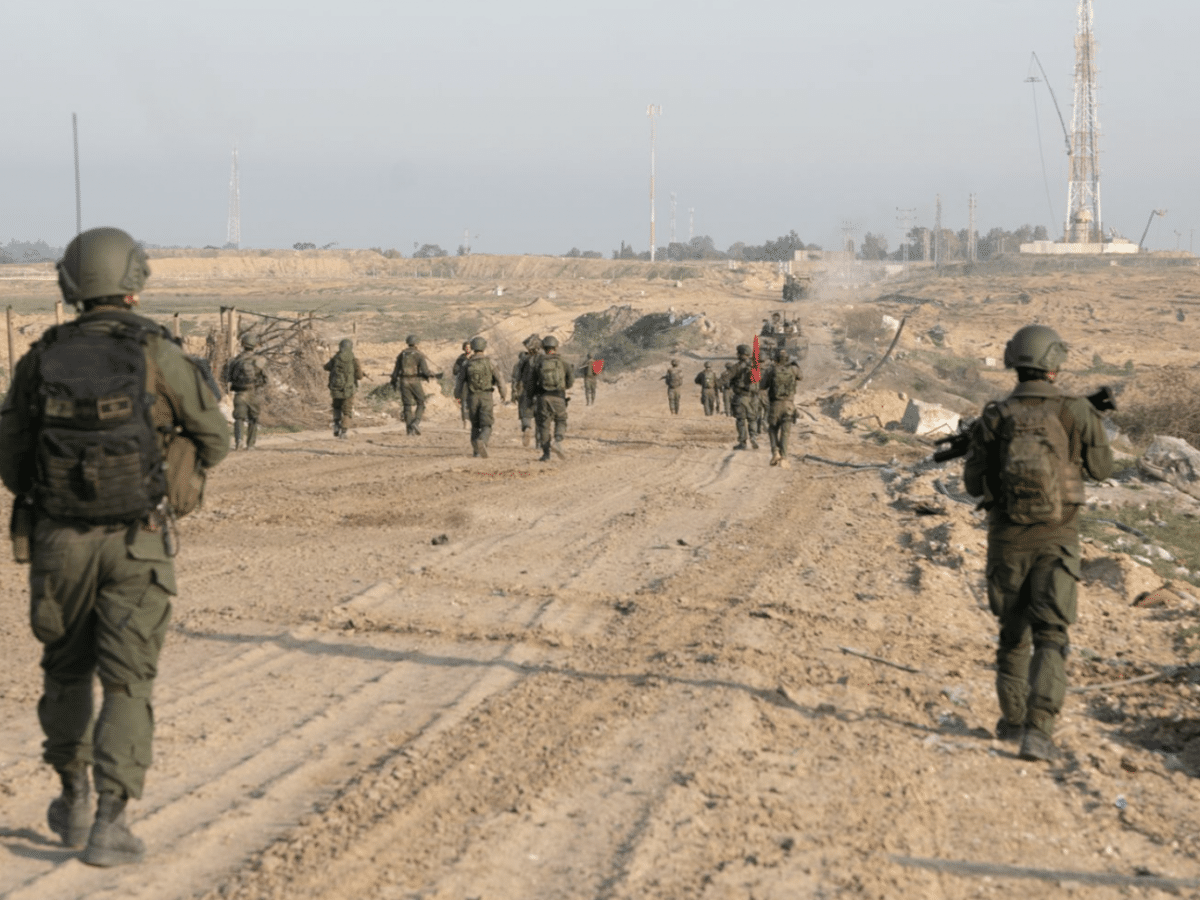
Governor Agbu Kefas was born on 12 November 1970 in Wukari. Before entering politics, he built a distinguished career in the Nigerian Army where he rose to the rank of Lieutenant Colonel.
During his years in military service, he held several strategic positions. These roles helped him develop strong leadership and organizational skills. His experience in the military also shaped his governance philosophy, which emphasizes discipline, accountability, and national unity.
For many residents of Taraba, these qualities made his transition into politics both natural and promising.
Journey to the Governorship
Governor Agbu emerged victorious in the Taraba State governorship election held on 18 March 2023. Running under the platform of the Peoples Democratic Party (PDP), he defeated candidates from the All Progressives Congress (APC) and the New Nigeria Peoples Party (NNPP).
Following the election, opposition parties filed legal challenges. However, the courts affirmed his victory. Both the election tribunal and the Supreme Court of Nigeria upheld the results.
Governor Agbu was officially sworn into office on 29 May 2023, succeeding former governor Darius Dickson Ishaku. His inauguration marked the beginning of a new political era for Taraba State.
Education Reform and Free Education Policy
One of the most defining policies of Governor Agbu’s administration is education reform.
Shortly after taking office, he declared a state of emergency in the education sector. The goal was clear: rebuild the state’s learning system and increase access to quality education.
In July 2023, Governor Agbu introduced free primary and secondary education in all public schools across Taraba State. The policy aims to reduce the financial burden on families while improving school enrollment.
In addition, the administration has committed to improving teacher welfare and upgrading learning facilities. According to the governor, education remains the foundation for long-term development in Taraba.
Administrative Reforms and Inclusive Governance
Governor Agbu has also taken steps to strengthen government institutions.
In early 2026, his administration conducted a major swearing-in ceremony for new judicial and executive officials. These included a High Court judge, members of the Sharia Court of Appeal, special advisers, and representatives in the Persons Living with Disabilities Commission.
These appointments highlight the administration’s commitment to inclusive governance and institutional development.
By reinforcing key state institutions, Governor Agbu aims to improve transparency and public service delivery across Taraba.
Political Realignment and Party Defection
A major political development occurred in early 2026 when Governor Agbu moved from the PDP to the ruling All Progressives Congress.
The decision significantly strengthened the party’s presence among Nigeria’s state governors. According to the governor, the move was motivated by development goals rather than political convenience.
He explained that aligning with the national ruling party could attract more federal support and accelerate development projects in Taraba State.
Before the public defection ceremony, Governor Agbu had already completed the formal process of registering as an APC member.
Personal Tragedy and Call for Justice
In May 2025, Governor Agbu shared a deeply personal story that gained national attention. His younger sister was mistakenly shot and killed by a police escort, an incident initially believed to be a bandit attack.
Following the revelation, he called for accountability and justice in the case. The tragedy strengthened his advocacy for law enforcement reforms and the protection of citizens’ rights.
Security and Community Support
Security remains another major priority of the governor’s administration.
Governor Agbu has repeatedly expressed commitment to working closely with federal security agencies to address banditry and other threats. He has also pledged support for national security initiatives led by the federal government.
Through stronger collaboration with security agencies, the state hopes to create a safer environment for residents, businesses, and investors.
Future Outlook for Taraba State
Governor Agbu Kefas continues to shape the political and developmental direction of Taraba State.
His administration combines social policies, governance reforms, and political strategy to achieve long-term progress. Education expansion, institutional strengthening, and security cooperation remain key pillars of his leadership agenda.
As his tenure progresses, many political observers will continue watching how Governor Agbu drives development and transforms governance in Taraba State.
Conclusion
Governor Agbu Kefas has quickly emerged as a central figure in Nigeria’s subnational leadership landscape. From education reforms to administrative restructuring, his policies continue to influence governance in Taraba State.
By prioritizing education access, institutional growth, and security collaboration, Governor Agbu aims to build a stronger and more inclusive future for the people of Taraba.