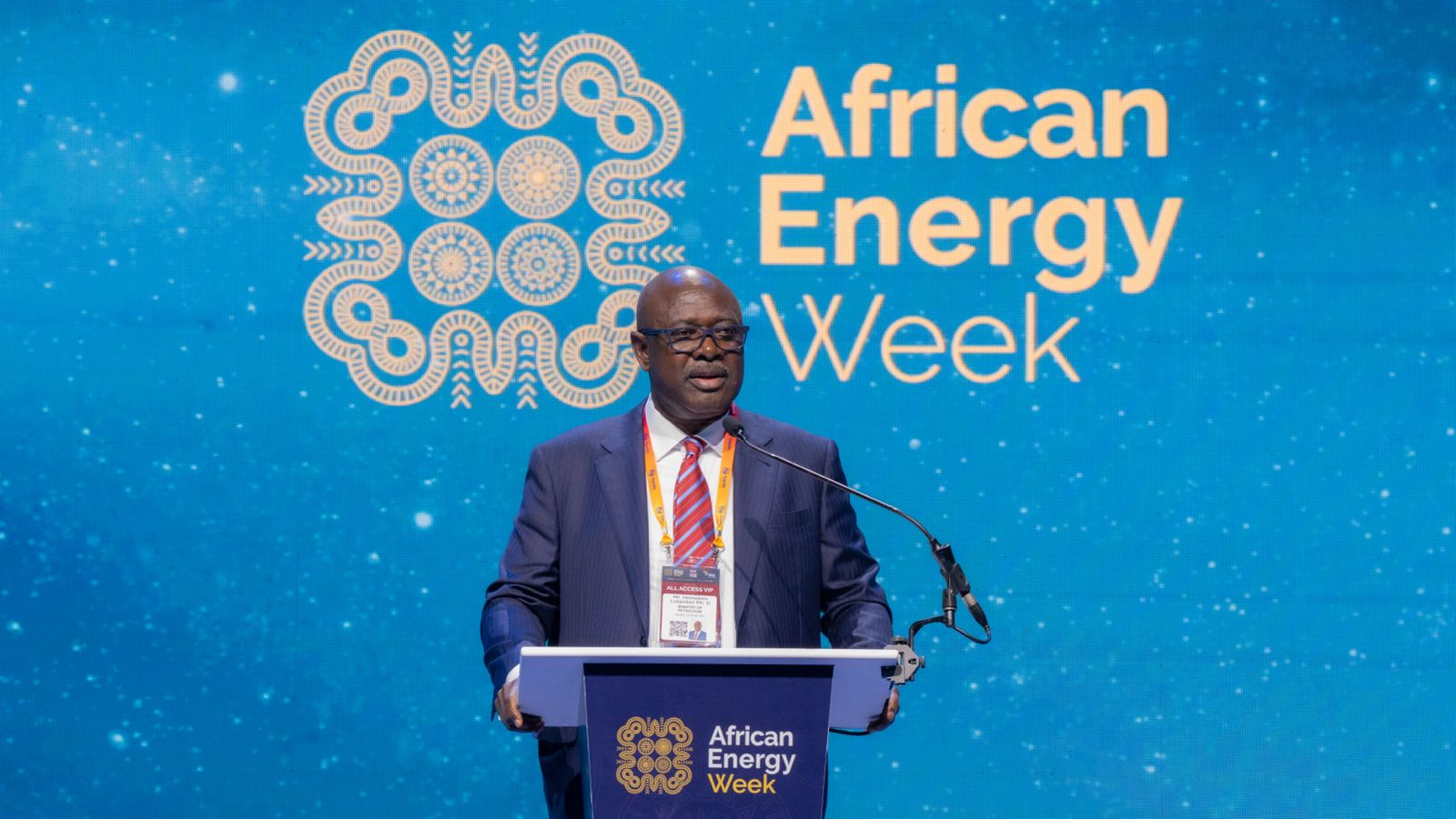

Abba Aliyu, the driving force behind the Rural Electrification Agency (REA), stands out as a beacon of hope for Nigeria’s energy sector. His leadership is pivotal in addressing the energy challenges faced by rural communities across the nation. As the REA works tirelessly to enhance access to electricity, the question arises: is Abba Aliyu the key to unlocking Nigeria’s electrification potential?
Transforming Nigeria’s Energy Landscape
Under Abba Aliyu’s stewardship, the Rural Electrification Agency has made significant strides in transforming Nigeria’s energy landscape. The agency’s primary mission is to provide sustainable electricity solutions to underserved rural areas, a critical step towards achieving universal access to electricity. Aliyu’s vision aligns with the broader goal of enhancing economic growth and improving the quality of life in rural communities.
The urgency of rural electrification cannot be overstated. Many Nigerians still lack reliable access to electricity, which hampers economic development and quality of life. Abba Aliyu understands this pressing issue and has prioritized projects that focus on renewable energy sources. By leveraging solar and other sustainable technologies, the REA aims to deliver clean and affordable electricity to communities that have long been neglected.
Aliyu’s leadership has also fostered partnerships with various stakeholders, including local governments and private sector players. These collaborations are essential in mobilizing resources and expertise needed to implement electrification projects effectively. By working together, stakeholders can create innovative solutions that cater to the unique needs of different communities.
Key Achievements of the Rural Electrification Agency
Under Abba Aliyu’s guidance, the REA has achieved several notable milestones. One of the agency’s flagship initiatives is the Solar Home Systems project, which provides solar energy kits to rural households. This initiative empowers families to generate their own electricity, reducing reliance on traditional energy sources and improving their standard of living.
Additionally, the REA has launched numerous mini-grid projects across Nigeria. These mini-grids serve as localized power sources that can significantly enhance energy access in remote areas. By focusing on decentralized energy solutions, Abba Aliyu is paving the way for a more resilient energy system that can adapt to the country’s evolving needs.
Furthermore, Aliyu has championed policies that promote energy efficiency and sustainability. His commitment to integrating renewable energy into Nigeria’s energy mix is crucial for addressing climate change and ensuring long-term energy security. The REA’s focus on sustainable practices not only benefits the environment but also creates jobs and stimulates local economies.
Conclusion: A Bright Future for Rural Electrification
In conclusion, Abba Aliyu’s leadership at the Rural Electrification Agency has positioned him as a key player in Nigeria’s quest for energy access. His commitment to sustainable electrification solutions is transforming the lives of countless Nigerians in rural areas. As the REA continues to implement innovative projects, the hope for a more electrified Nigeria becomes increasingly tangible.
With Abba Aliyu at the helm, the future of rural electrification looks promising. His vision and dedication are essential for overcoming the challenges that have long plagued the energy sector. By focusing on collaboration, innovation, and sustainability, Aliyu is indeed a beacon for Nigeria’s electrification journey.
FAQ Section
Who is Abba Aliyu?
Abba Aliyu is the head of the Rural Electrification Agency (REA) in Nigeria, focused on enhancing electricity access in rural communities.
What is the mission of the Rural Electrification Agency?
The REA aims to provide sustainable electricity solutions to underserved rural areas, improving quality of life and promoting economic growth.
What initiatives has the REA implemented?
The REA has launched projects such as Solar Home Systems and mini-grids to enhance energy access in remote communities.
Why is rural electrification important for Nigeria?
Rural electrification is crucial for economic development, quality of life improvement, and addressing energy poverty in underserved areas.