
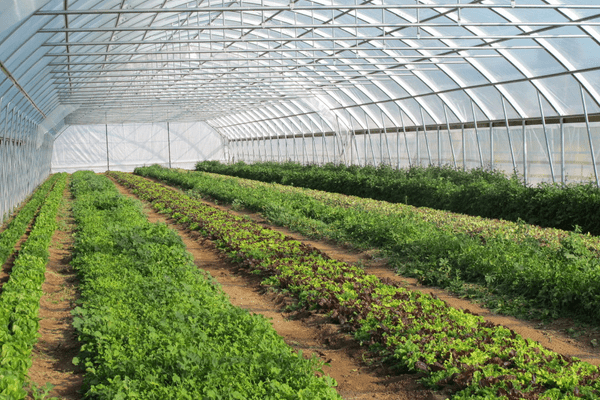
The National Agricultural Land Development Authority (NALDA), under the leadership of Engr. Cornelius Adebayo, has embarked on an ambitious project to restore carbon levels by establishing over 20,000 hectares of plantations. This initiative aligns with global efforts to combat climate change and promote sustainable agricultural practices.
A Structured Carbon Roadmap
Engr. Cornelius Adebayo is leading the charge with a well-defined carbon roadmap aimed at enhancing Nigeria’s environmental sustainability. The decision to set aside 20,000 hectares for carbon restoration reflects a commitment to addressing the increasing impacts of climate change. The NALDA program seeks to improve soil health, increase biodiversity, and reduce greenhouse gas emissions through strategic land use.
This initiative is part of a broader governmental strategy to promote sustainable land management and harness the benefits of reforestation. By restoring carbon levels, NALDA aims not only to improve the environment but also to provide new economic opportunities for local farmers.
The structured plan includes the selection of appropriate tree species that are well-suited to Nigeria’s diverse climates and soils. These species will play a critical role in sequestering carbon and fostering ecosystems that support biodiversity. Engr. Adebayo emphasizes that “the successful implementation of this initiative will demonstrate how agriculture can positively contribute to climate action.”
Impact on Local Communities and Agriculture
The establishment of these plantations is expected to create ripple effects throughout local communities. By incorporating local farmers into the carbon restoration initiative, NALDA aims to enhance their livelihoods. Farmers can engage in sustainable practices that will yield both ecological and economic benefits.
Furthermore, the carbon initiative aligns with global carbon credit markets. As these plantations mature and sequester carbon, there will be opportunities for Nigeria to participate in carbon trading. This can provide additional revenue streams for local communities while fostering a culture of environmental stewardship.
The project also includes educational outreach to inform local communities about the benefits of carbon restoration. By improving public awareness, NALDA aims to encourage community involvement and investment in sustainable practices. Engr. Adebayo remarked, “Education is key in promoting sustainability. We want to empower communities to take an active role in this initiative.”
In a broader context, this carbon restoration project directly contributes to the United Nations Sustainable Development Goals (SDGs). It underscores the importance of climate action and life on land, demonstrating how agricultural strategies can align with global sustainability targets.
Conclusion: A Sustainable Future Ahead
The 20,000-hectare carbon restoration initiative spearheaded by NALDA and Engr. Cornelius Adebayo is a significant step towards environmental sustainability in Nigeria. This project is not just about increasing tree cover; it represents a holistic approach to sustainable agriculture, community empowerment, and climate action.
As the initiative unfolds, it promises to create a lasting impact on Nigeria’s agricultural landscape and its fight against climate change. By fostering collaboration between local farmers, environmental organizations, and government agencies, NALDA sets a precedent for successful sustainable development.
FAQ Section
What is NALDA’s carbon roadmap?
NALDA’s carbon roadmap is a structured plan to establish 20,000 hectares of plantations for carbon restoration in Nigeria.
Who is leading the NALDA initiative?
Engr. Cornelius Adebayo is the leader of the National Agricultural Land Development Authority, overseeing the carbon restoration project.
How will this initiative benefit local communities?
The initiative aims to improve local livelihoods through sustainable agricultural practices and potential participation in carbon credit markets.
What is the significance of carbon restoration?
Carbon restoration helps sequester greenhouse gases, enhance biodiversity, and contribute to sustainable land management practices.