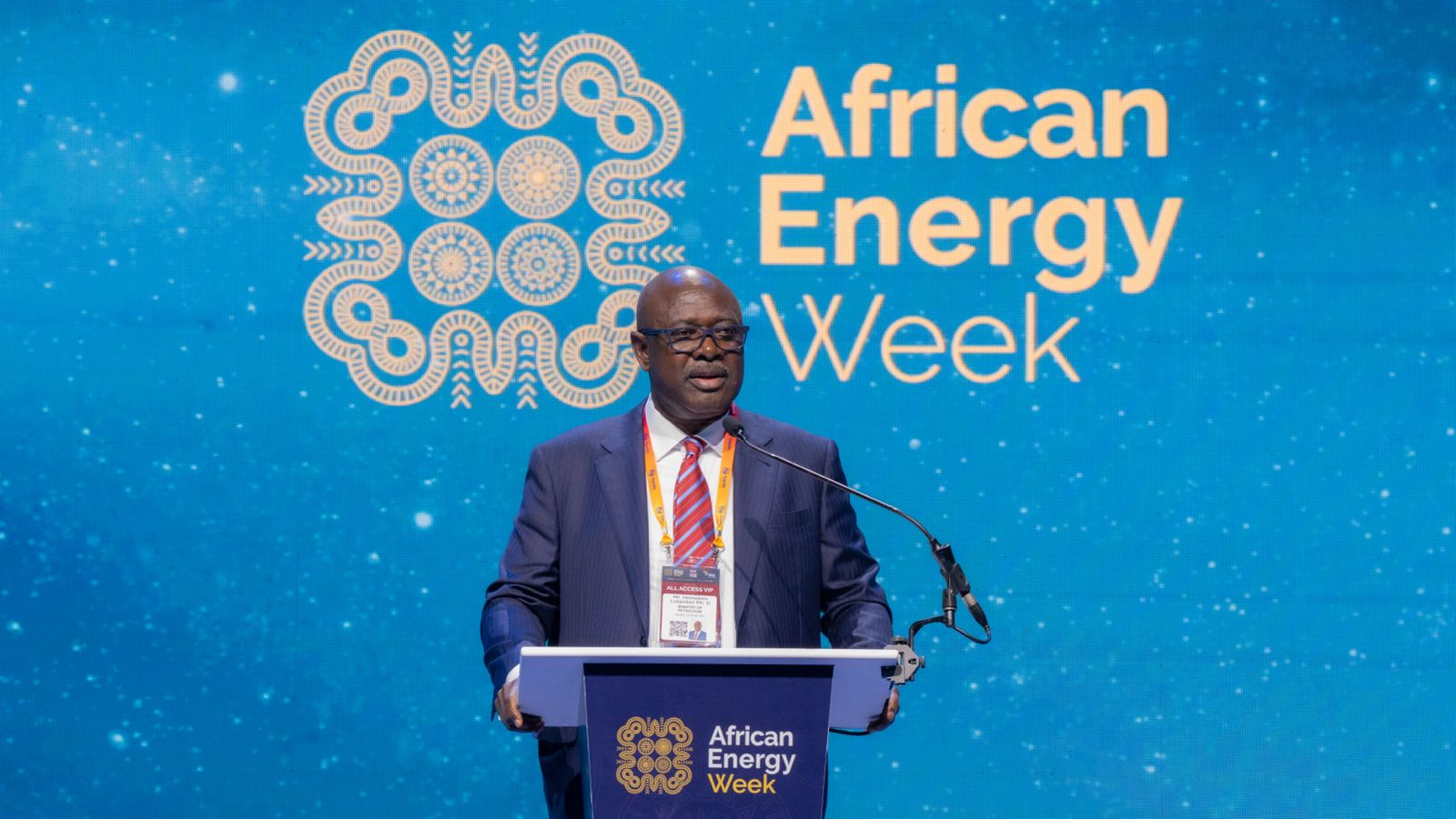
The Minister of State for Petroleum Resources (Oil), Senator Heineken Lokpobiri, has announced that Nigeria is adopting regulatory standards for competitive oil and gas investment. This initiative is aimed at attracting more foreign investments and enhancing the country’s position in the global energy market.
Regulatory Changes to Boost Investment
Heineken Lokpobiri emphasized that Nigeria is benchmarking its taxation, fees, and regulatory frameworks against those of other oil-producing countries. This alignment aims to create a more attractive investment climate. By implementing competitive standards, Nigeria hopes to increase both domestic and foreign investments in the oil and gas sector.
The recent reforms are part of a broader strategy to revitalize Nigeria’s oil and gas industry, which has faced numerous challenges in recent years, including falling production levels and insufficient infrastructure. The government recognizes that to sustain economic growth, it must enhance the business environment for oil companies.
Additionally, the new regulations will strive to simplify the processes involved in acquiring licenses and permits for oil exploration and production. This simplification is expected to remove bureaucratic obstacles that have deterred potential investors in the past.
The adoption of these competitive standards reflects Nigeria’s commitment to becoming a leader in the global energy landscape. By fostering a more favorable regulatory environment, the government aims to position the country as a preferred destination for investment in the oil and gas sector.
Fostering Sustainability and Transparency
Alongside the focus on competition, the Minister also emphasized the importance of sustainability and transparency within the industry. Sustainable practices are vital for ensuring that the oil and gas sector does not harm the environment or local communities. The new regulations will include provisions for environmental protection and community engagement, ensuring that investment decisions consider the social and ecological impacts.
Transparency in operations is another cornerstone of these regulatory standards. Lokpobiri pointed out that reducing corruption and enhancing accountability will be critical for restoring investor confidence. The government aims to create an environment where stakeholders can operate with greater certainty, encouraging long-term investments.
Moreover, the government is keen on ensuring that local content is a priority in the industry. By promoting the participation of local businesses in oil and gas projects, Nigeria can drive job creation and foster economic development. These initiatives are expected to contribute positively to the country’s economic resilience in the long term.
Conclusion: Nigeria Implements Standards for Oil Investment – Lokpobiri
In conclusion, the adoption of regulatory standards for competitive oil and gas investments represents a significant milestone for Nigeria, as stated by Senator Heineken Lokpobiri. By benchmarking against international standards and focusing on transparency and sustainability, Nigeria is taking essential steps to revitalize its oil sector.
These initiatives aim to attract foreign investments while ensuring that local communities and the environment are safeguarded. As the regulatory framework evolves, Nigeria could well emerge as a leading player in the global energy market, driving sustainable growth and development.
FAQ Section
What are Nigeria’s new regulatory standards for oil investment?
Nigeria is adopting benchmarks for taxation, fees, and regulatory frameworks to attract more competitive oil and gas investments.
Why is the government focusing on sustainability?
Sustainability is essential to ensure that the oil and gas sector operates without harming the environment or local communities.
How will these standards affect foreign investments?
The competitive regulatory standards aim to create a more favorable environment, encouraging both domestic and foreign investments in the oil and gas sector.
What local benefits will arise from these changes?
Promoting local content will enhance the participation of local businesses, leading to job creation and economic development in Nigeria.