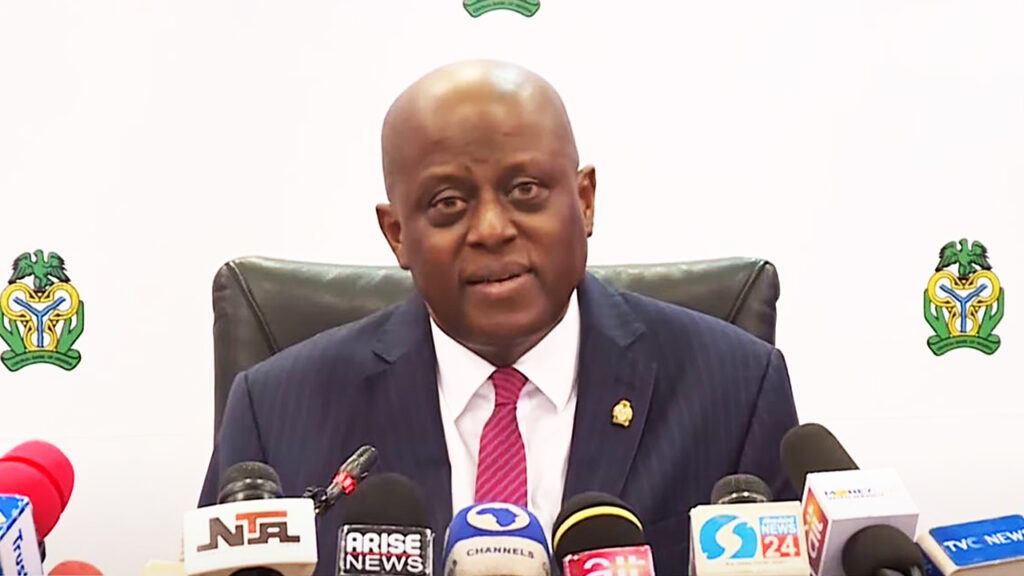
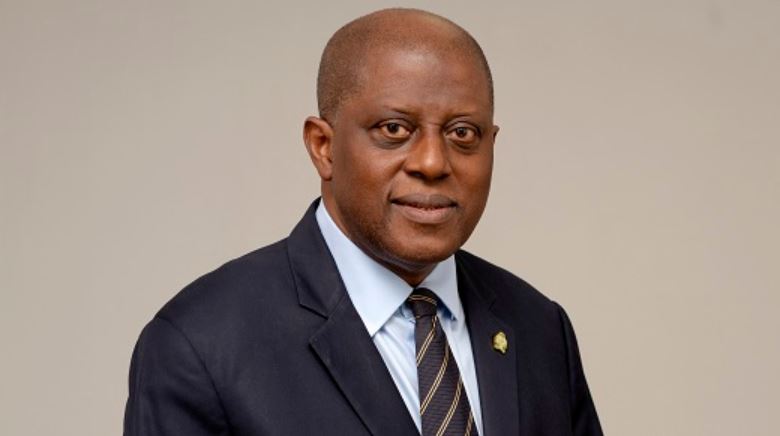
The Central Bank of Nigeria (CBN), led by Governor Dr. Olayemi Cardoso, has recently reported a positive economic outlook for 2026. In a detailed analysis of macroeconomic performance during the second half of the fiscal year, CBN officials expressed optimism about Nigeria’s economic recovery and growth trajectory.
Key Indicators of Economic Recovery
Yemi Cardoso highlighted several key indicators that contribute to this positive outlook. Among these are the expected GDP growth, improved foreign reserves, and enhanced agricultural productivity. The Governor noted that the economy is gradually rebounding from previous setbacks, including disruptions caused by the pandemic and global economic fluctuations.
The CBN has implemented several monetary policies aimed at stabilizing inflation rates and encouraging investment. By adjusting interest rates and providing liquidity support to various sectors, the bank intends to foster a conducive environment for economic activities. The successful management of the naira’s exchange rate also plays a vital role in ensuring external stability and investor confidence.
Another significant factor contributing to this positive outlook is the anticipated growth in non-oil sectors. Agriculture, technology, and manufacturing are expected to drive economic diversification, reducing Nigeria’s over-reliance on oil exports. Dr. Cardoso emphasized the importance of diversifying the economy to withstand external shocks and sustain long-term growth.
Challenges and Strategies Moving Forward
Despite these optimistic projections, challenges remain. The CBN acknowledges structural issues such as infrastructure deficits and unemployment that need urgent addressing. Dr. Cardoso reiterated the need for collaboration between the public and private sectors to tackle these challenges effectively.
One proposed strategy is to boost investment in infrastructure development. Improving transportation networks, energy systems, and digital infrastructure can enhance productivity and attract foreign investment. Moreover, the CBN plans to focus on financial inclusion efforts to empower small and medium enterprises (SMEs). This initiative aims to facilitate access to finance, enabling these businesses to contribute significantly to economic growth.
Additionally, the CBN is committed to implementing policies that encourage innovation and technology adoption. By supporting startups and fostering an entrepreneurial ecosystem, Nigeria can harness the potential of its youth and stimulate economic activities.
Conclusion: CBN Projects Positive Economic Outlook for 2026
In conclusion, the CBN under Governor Dr. Olayemi Cardoso presents a cautiously optimistic economic outlook for 2026. With key economic indicators showing signs of recovery and a focus on diversification, Nigeria has the potential for sustainable growth.
However, addressing structural challenges will be crucial to achieving these projections. By investing in infrastructure, promoting financial inclusion, and encouraging innovation, Nigeria can pave the way for a resilient economy that stands the test of time.
FAQ Section
What did the CBN report about Nigeria’s economy?
The CBN projected a positive economic outlook for 2026, highlighting indicators such as GDP growth and improved foreign reserves.
Who is the current Governor of CBN?
The current Governor of the CBN is Dr. Olayemi Cardoso.
What key sectors are expected to drive growth?
Agriculture, technology, and manufacturing are expected to drive economic diversification and growth.
What challenges does Nigeria still face?
Challenges include infrastructure deficits, unemployment, and the need for economic diversification.
How does CBN plan to support SMEs?
The CBN aims to enhance access to finance for SMEs through financial inclusion efforts and supportive policies.