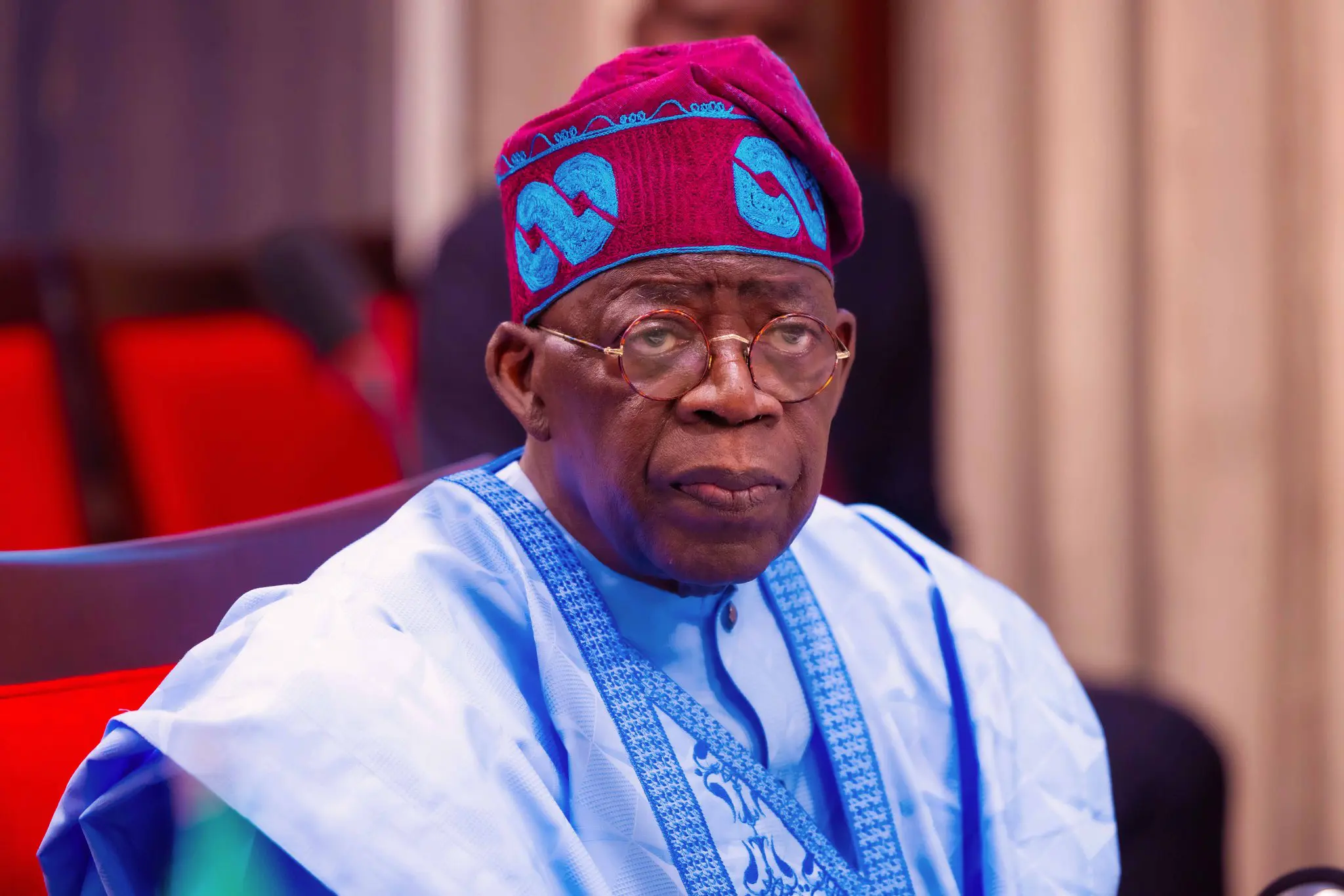
Comrade Philip Shaibu, the Director-General and Chief Executive Officer of the National Institute for Sports (NIS), has passionately urged President Bola Tinubu to declare a state of emergency on sports infrastructure in Nigeria. His plea comes amidst widespread decay and neglect of vital sports facilities throughout the country.
The Urgent Call for Action
In a recent statement, Shaibu emphasized the critical condition of sports infrastructure across Nigeria. He expressed deep concern over the deteriorating state of facilities that have historically served as training grounds for athletes. Many sporting venues have fallen into disrepair, affecting the performance and training of current athletes while also deterring young talents.
The urgency of the situation cannot be overstated. Shaibu highlighted that without immediate government intervention, Nigeria risks losing future generations of athletes who could excel on both local and international stages. The quality of facilities directly impacts the ability to train effectively and to compete globally. He believes that declaring a state of emergency would mobilize necessary resources and attention to revitalize these essential facilities.
Shaibu’s call for action is rooted in a broader vision of enhancing Nigeria’s sports sector. By improving infrastructure, the government can foster an environment that nurtures athletic talent, ultimately leading to better performances in international competitions and enhancing national pride.
Historical Context and Current Challenges
The plea for urgent action on sports infrastructure is not new. Over the years, athletes have voiced their frustrations regarding the state of facilities, with many condemning the lack of investment and maintenance. Previous administrations have made promises to improve sports infrastructure, but tangible results remain elusive.
Recent events, including Nigeria’s underperformance in international sports competitions, have reignited discussions on this pressing issue. Athletes have pointed to inadequate facilities as a major barrier to their success. Investing in quality infrastructure is vital not only for training but also for hosting significant sports events that can showcase Nigeria’s capabilities.
Moreover, the economic benefits of well-maintained sports facilities cannot be ignored. Improved infrastructure can attract international competitions, leading to increased tourism and investment in local economies. This cycle of investment can create jobs and uplift communities while promoting a healthy lifestyle among citizens.
Conclusion: Tinubu Urged to Address Sports Infrastructure Crisis
In conclusion, Comrade Philip Shaibu’s appeal to President Bola Tinubu for a state of emergency on sports infrastructure underscores a critical issue facing Nigeria. The country’s legacy in sports depends significantly on the facilities available for training and competition.
By prioritizing the revitalization of sports infrastructure, the Nigerian government can pave the way for future athletic success, national pride, and economic rejuvenation. Swift action is needed to turnaround the current state of decay and invest in the athletes who represent Nigeria on the world stage.
FAQ Section
What is the state of sports infrastructure in Nigeria?
Sports infrastructure in Nigeria is in a deteriorating condition, with many facilities neglected and in need of urgent repair.
Who is Comrade Philip Shaibu?
Comrade Philip Shaibu is the Director-General and Chief Executive Officer of the National Institute for Sports (NIS).
Why is a state of emergency important for sports infrastructure?
Declaring a state of emergency can mobilize resources and attention to rapidly restore and improve sports facilities.
What impact does poor infrastructure have on athletes?
Poor infrastructure hinders training and performance, affecting athletes’ ability to compete effectively on local and international stages.
How can improving sports infrastructure benefit the economy?
Revitalized sports facilities can attract international events, increasing tourism and investment while creating job opportunities within local communities.