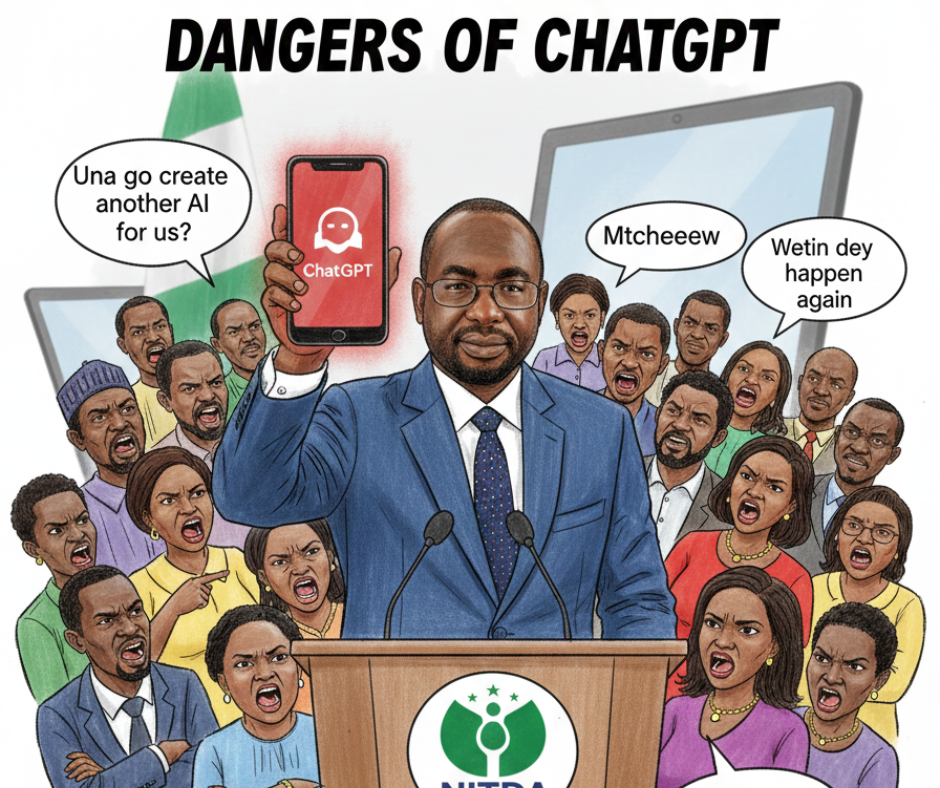
NITDA ChatGPT Alarm, a phrase that suddenly flooded headlines, stirring confusion and curiosity across Nigeria’s tech landscape. Was this a genuine call to protect citizens from digital harm, or just another case of unnecessary “AI fear”? In an age where artificial intelligence dominates conversations, it’s easy to mistake caution for panic. But is NITDA truly afraid of ChatGPT, or is the agency simply doing what it was created to do, safeguarding the digital well-being of Nigerians?
The truth is, NITDA’s recent alert didn’t come from a place of fear. It came from responsibility. The agency raised the ChatGPT Alarm after receiving reports of possible data breaches, phishing attempts, and rising cyber risks linked to artificial intelligence platforms. While critics were quick to dismiss the warning as alarmist, NITDA’s concern was clear; to protect users from falling victim to cyber scams that often hide behind sophisticated AI tools. Many of these warnings are necessary, especially as Nigerians increasingly depend on AI-powered services for work, communication, and daily life.
Unfortunately, some critics love to twist every government action into a controversy. They question motives, mock warnings, and spread misinformation. But what they fail to see is that NITDA’s alert was not a random outburst. It was a proactive step toward digital awareness. Instead of spreading panic, it aimed to remind Nigerians that technology, no matter how brilliant, still carries risks. It’s easy to underestimate cyber threats until personal data is stolen or sensitive information leaks online. NITDA’s move was to keep that from happening.
Why NITDA Raised the ChatGPT Alarm
To understand the NITDA ChatGPT Alarm, we must first understand the times we live in. Artificial intelligence has become a double-edged sword, powerful enough to improve lives, but also dangerous in the wrong hands. Reports had begun surfacing about cloned AI chatbots, fake websites mimicking ChatGPT, and phishing links disguised as “AI access tools.” Cybercriminals were exploiting the curiosity of users who rushed to try new AI apps without verifying their sources.
NITDA, as Nigeria’s digital watchdog, couldn’t ignore the trend. The alarm was raised to warn Nigerians against revealing personal details or company data to unverified AI platforms. It was also a reminder that AI-generated content, while helpful, can easily be manipulated for fraud, misinformation, or identity theft. By speaking out, NITDA hoped to build public awareness, strengthen digital literacy, and protect users from invisible dangers.
And yes, it worked. The alert sparked nationwide conversations about online safety, prompting many to update passwords, verify links, and think twice before sharing personal data with AI systems. That, in itself, is a victory for digital responsibility.
Critics or Complainers?
Still, some people chose to see the NITDA ChatGPT Alarm differently. Critics claimed it was an overreaction. Others said it was an attempt to control free technology. But the truth is, most of these critics rarely understand the depth of cyber threats. Their opinions often come from a place of idle speculation rather than informed knowledge.
Instead of acknowledging NITDA’s foresight, they labeled the move as “fearmongering.” Yet, when the same AI tools are used to scam people or steal data, the same voices cry out for government intervention. It’s a strange cycle, criticize when the government acts, complain when it doesn’t. But while they argue, NITDA continues to do the hard work of ensuring Nigerians can use digital tools safely and confidently.
The Real Message Behind NITDA’s Warning
Beyond the noise and controversy lies a simple truth: the NITDA ChatGPT Alarm was a reminder that technology should serve humans, not exploit them. Artificial intelligence is an evolving force that can revolutionize communication, business, and education. But without proper regulation and awareness, it can also open doors to cyber manipulation.
NITDA’s decision to raise the alarm was not a show of weakness but of wisdom. Every responsible nation invests in digital protection, and Nigeria is no exception. The agency is not against ChatGPT or any AI platform, it only wants Nigerians to stay safe while exploring these innovations. That’s the real story behind the headlines.
Balancing Caution and Innovation
Nigeria’s digital future is bright, but it needs balance, the kind that allows innovation to thrive without putting citizens at risk. NITDA’s role is to maintain that balance. Instead of mocking or misinterpreting the agency’s efforts, Nigerians should see them as part of a broader mission to build a smarter, safer digital ecosystem.
In the end, the NITDA ChatGPT Alarm was never about fear. It was about foresight. It was about drawing attention to the invisible threats hidden behind the convenience of AI. The next time you use an AI tool, think beyond the excitement. Think of your data. Think of your safety. And maybe then, you’ll understand that NITDA’s warning wasn’t an alarm for fear, it was an alarm for awareness.