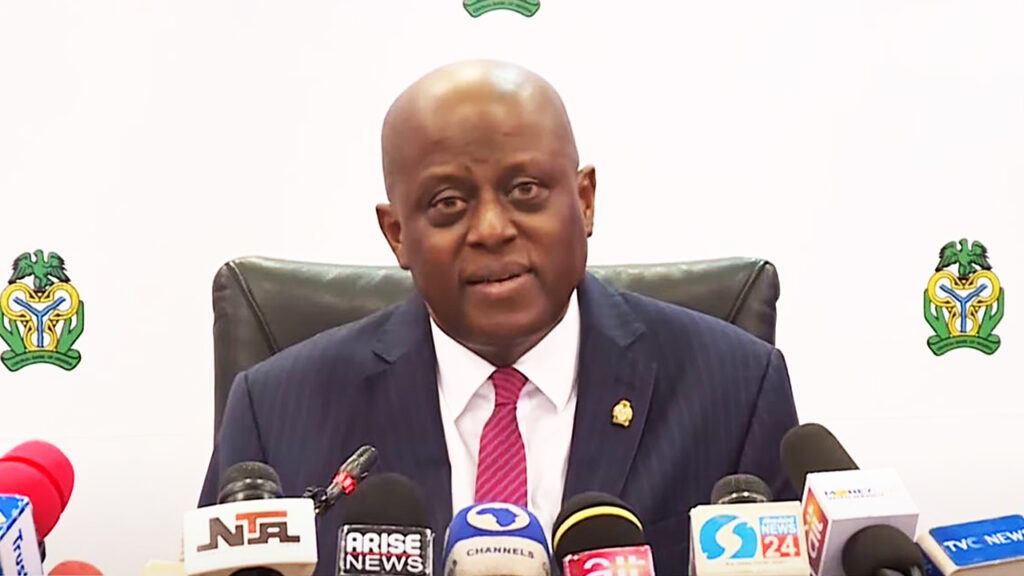

The Chairman of the Nigeria Revenue Service (NRS), Dr. Zacch Adedeji, has confirmed that the 2026 tax reforms will prioritize the welfare of low-income individuals. The reforms explicitly protect the poor by imposing zero taxes on essential goods and services, including food, transport, healthcare, and education.
Ensuring Fairness in Taxation
Dr. Adedeji’s statement comes amid growing concerns about the economic impact of tax reforms on vulnerable populations. By clarifying that the new measures will not place a burden on the poor, he aims to alleviate anxiety among citizens who fear increased financial strain.
“The goal is to implement a system that is fair and equitable,” Adedeji stated. He highlighted that the reformed tax structure aims to promote economic growth while ensuring that the most vulnerable members of society are shielded from extra financial burdens. The zero-tax policy on essential services is a crucial component of this approach.
Historically, low-income individuals often bear the brunt of financial reforms. The NRS is working to change this dynamic by designing a tax system that offers protections and benefits to those who need it most. Adedeji stressed that this initiative is a cornerstone of the government’s broader commitment to social equity.
Key Features of the 2026 Tax Reforms
The 2026 tax reforms are designed to create a progressive taxation system. By exempting essential items such as food, healthcare, and education, the government aims to ensure that basic needs remain accessible to all citizens. Dr. Adedeji noted, “Access to food and healthcare should not come at a higher cost due to increased taxes.”
In addition to protecting essential services, the reforms will focus on improving tax compliance among higher earners and corporations. The government plans to expand its tax net, capturing income from sectors that have historically evaded taxation. By lifting these burdens from the poor, the government aims to distribute fiscal responsibilities more equitably.
Furthermore, the NRS is committed to transparently communicating these reforms to the public. Dr. Adedeji emphasized the importance of ongoing dialogue with citizens and stakeholders to explain the changes and gather feedback. This engagement plays a vital role in fostering understanding and trust in the new system.
The reform process also involves educational initiatives aimed at informing citizens about their rights and obligations under the new tax structure. By empowering the public with knowledge, the NRS hopes to create a more compliant and informed taxpaying populace.
Conclusion: Towards a More Equitable Future
In conclusion, the NRS confirms 2026 tax reforms protect poor by ensuring zero taxes on crucial sectors. Dr. Zacch Adedeji’s assurances address vital concerns regarding the economic impact of upcoming changes.
This proactive approach underscores the government’s commitment to social equity in taxation. By eliminating taxes on essential goods and services, the reforms seek to ease the financial burden on low-income citizens.
As Nigeria navigates this significant reform, continued communication and community engagement will be essential. The NRS aims to build a system that not only protects the most vulnerable but also enhances overall economic growth and stability, paving the way for a fairer and more inclusive society.