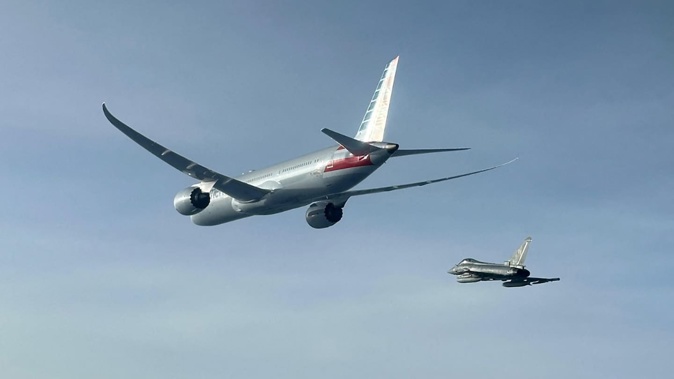
Despite recent announcements regarding the reopening of airspace, European airlines continue to bypass Iranian and Iraqi airspaces. Airlines such as Wizz Air, Lufthansa, and British Airways have maintained their avoidance, as tracked by flight monitoring websites. This reluctance underscores ongoing concerns about safety and stability in the region.
Safety Concerns Persist
The decision to avoid Iraqi and Iranian airspace comes in the wake of geopolitical tensions and safety advisories. Even with airspace officially reopened, the risks associated with flying through these regions remain high. Recent events, such as military conflicts and missile strikes, have raised alarm among international airlines.
Flight tracking data shows that numerous airlines are rerouting flights, often opting for longer itineraries to ensure passenger safety. For example, routes that previously flew over Iran and Iraq may now take detours over Turkey or the Gulf. These changes increase flight durations and fuel costs, yet airlines prioritize the safety and comfort of their passengers.
Safety regulations and advisory agencies, including those from the European Union (EU), continue to recommend caution for flights in these regions. Ongoing conflicts and the potential for airspace violations make many airlines hesitant to resume normal operations.
Financial Implications for Airlines
The decision to avoid these airspaces has substantial financial implications for airlines. Longer flight routes result in higher operational costs due to increased fuel consumption and longer crew hours. Moreover, airlines may face pressure from stakeholders to minimize operational risks.
Wizz Air, Lufthansa, and British Airways are no strangers to navigating complex operational landscapes. Each airline must weigh the risks against the potential for profit when considering routes through regions marked by instability. Consequently, the financial burden associated with avoiding certain airspaces may influence their long-term route planning.
Despite the challenges, major airlines have established themselves as industry leaders by prioritizing safety over profit margins. Their commitment to passengers serves to reassure travelers that safety remains a top priority, even if that means avoiding potentially lucrative routes.
For travelers, this translates to increased flight costs and limited options. The market may see a shift in routes or airlines that are willing to take the risk. However, passengers often prioritize safety, leading them to choose airlines that guarantee security over those with more direct flights.
Future Outlook for Air Travel
As conditions in Iraq and Iran evolve, the international aviation community will continue to monitor the situation closely. The gradual reopening of airspace is hopeful, yet it will take time for airlines to feel confident about traversing these regions again.
The impact of these ongoing safety concerns may also lead to changes in air travel policies and regulations. Airlines may tighten operations in high-risk areas or work with governments to strategize safe routes. Collaboration between airlines and regulatory agencies will be essential to establish confidence in air travel across these regions.
In conclusion, European airlines avoid Iraqi and Iranian airspace despite reopening signals reflects broader concerns about safety and operational viability. Airlines are taking a cautious approach, prioritizing passenger safety over operational efficiency. As the geopolitical climate shifts, the future of air travel in and around Iran and Iraq remains uncertain, and travelers should stay informed about their flight options.