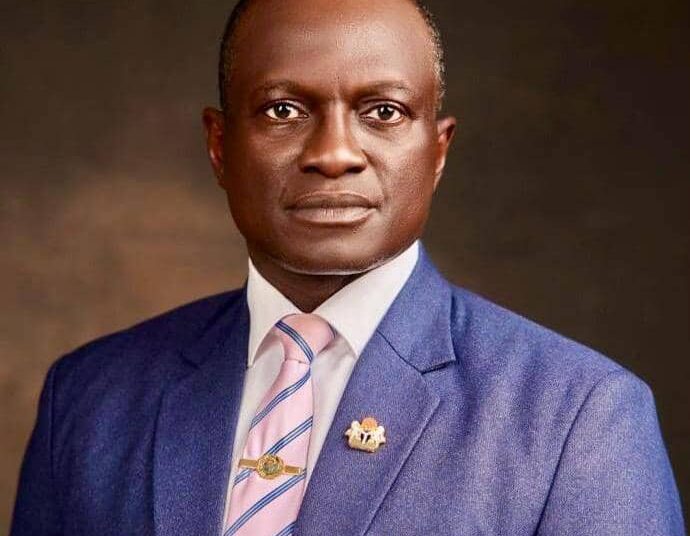
Major General Adamu Garba Laka, the head of the National Counterterrorism Centre (NCTC), is at the forefront of Nigeria’s efforts to combat escalating security threats of violent extremism. His leadership has sparked hope for a comprehensive approach to security that aligns military action with community engagement, signaling a potential transformation in how Nigeria addresses its security landscape.
A Strategic Vision for Security
Under General Laka’s leadership, the NCTC is pioneering innovative strategies to counter terrorism. Through a focus on cooperation among security agencies and communities, Laka emphasizes the importance of a harmonized approach to the Disarmament, Demobilization, and Reintegration (DDR) framework. This strategy seeks not only to neutralize immediate threats but also to address the underlying factors contributing to violence.
At various summits and engagements, General Laka has consistently highlighted that effective counter-terrorism requires a blend of military strength and social cohesion. His call for intelligence sharing among security agencies aims to enhance responsiveness to emerging threats. By cultivating a cooperative environment, Laka aims to foster public confidence in law enforcement and facilitate a collective response to insecurity.
Community Engagement as a Frontline Defense
A hallmark of General Laka’s strategy is the emphasis on community engagement, which is vital for the success of the NCTC’s initiatives. By involving local communities in the DDR process, Laka aims to create supportive networks that aid the reintegration of former combatants. This approach acknowledges that long-lasting peace cannot solely rely on military action; it requires the active participation of citizens.
Engagement with communities fosters awareness about the risks of radicalization and creates avenues for dialogue. General Laka’s initiatives include education campaigns and economic support programs aimed at equipping youths with skills and opportunities that deter them from extremist influences. By addressing the socio-economic conditions that often lead to violent extremism, his leadership has the potential to reshape communities toward resilience.
Furthermore, General Laka understands that reconciliation is crucial for peacebuilding. By working to dispel stigmas surrounding ex-combatants and fostering open discussions, he paves the way for greater acceptance and healing within affected communities.
Conclusion: Can General Laka Transform Nigeria’s Security Landscape?
As Nigeria grapples with complex security challenges, Major General Adamu Garba Laka’s leadership at the NCTC represents a beacon of hope. His strategic vision for combining military strength with community engagement could define a new era in Nigeria’s approach to security.
For General Laka, the success of the NCTC hinges on collaborative efforts with stakeholders and communities. It is this holistic approach—integrating disarmament initiatives, socio-economic development, and community empowerment—that could ultimately determine whether Nigeria can transform its security landscape and effectively confront the threats of violent extremism.
FAQ Section
Who is Major General Adamu Garba Laka?
He is the head of the National Counterterrorism Centre (NCTC) in Nigeria, focusing on combating violent extremism through innovative strategies.
What is the DDR framework?
The DDR framework aims to disarm combatants, reintegrate them into society, and provide community support to enhance peace and security.
How does community engagement help in counter-terrorism?
Engaging communities empowers them to identify threats and supports the reintegration of former combatants, promoting acceptance and reducing the risk of violence.
What challenges does General Laka face in his role?
He faces the complexities of violent extremism, the need for cooperative regional security efforts, and the socio-economic conditions that fuel radicalization.