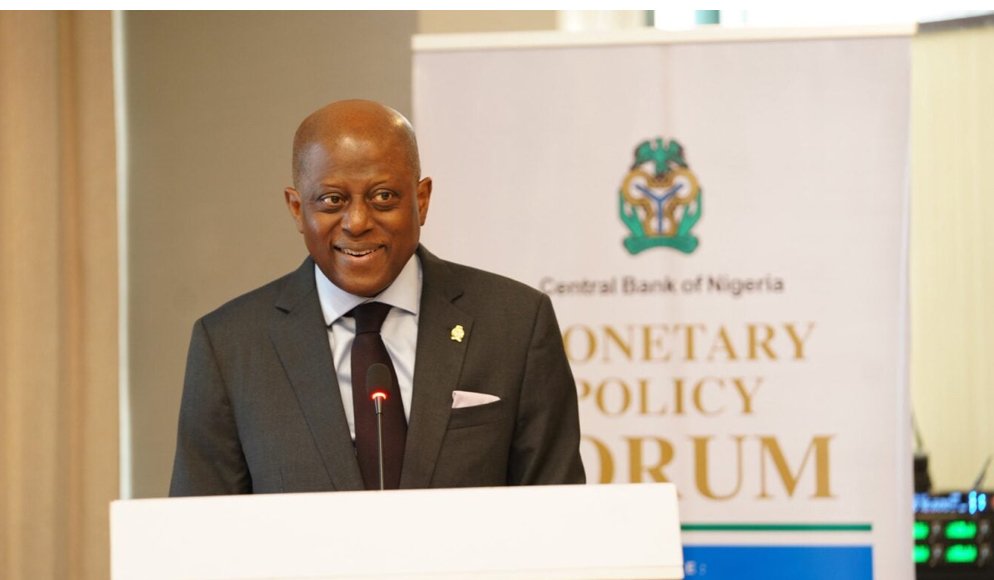
The Central Bank of Nigeria (CBN) has scrapped card maintenance fees, directing banks not to charge customers any maintenance fee on naira-denominated debit or credit cards.
The directive also confirms that virtual cards will remain free. Therefore, this policy represents a significant relief for millions of bank customers across Nigeria.
What the New Policy Means
Customers will pay less.
Previously, many banks charged periodic maintenance fees on debit cards linked to accounts. However, with this new directive, such charges are no longer permitted.
Therefore, customers can now use their naira cards without worrying about recurring maintenance deductions.
Why the Decision Matters
Small charges add up.
Although maintenance fees may seem minor, they accumulate over time. Therefore, removing them increases disposable income for individuals and businesses.
This move also aligns with efforts to promote financial inclusion. Lower costs make banking more accessible to more Nigerians.
Boosting Digital Payments Adoption
Digital banking thrives on affordability.
By eliminating card maintenance fees, the Central Bank of Nigeria encourages greater use of electronic payment systems.
Therefore, more people are likely to adopt cashless transactions. This shift supports efficiency and transparency in financial activities.
Supporting Financial Inclusion
Inclusion requires accessibility.
High banking costs often discourage low-income earners from fully participating in the financial system. Therefore, reducing fees removes a key barrier.
With virtual cards remaining free, more users can access digital financial services without additional cost.
Impact on Banks and the Financial System
Banks may adjust strategies.
While customers benefit from reduced charges, banks may need to explore alternative revenue streams. Therefore, service efficiency and value-added offerings could become more important.
However, the broader financial system stands to gain from increased transaction volumes.
Encouraging Transparency in Banking
Clear policies build trust.
The directive reinforces the importance of transparency in banking charges. Therefore, customers can better understand and manage their finances.
This clarity strengthens confidence in the financial system.
Looking Ahead
Implementation will be key.
Banks must comply fully with the directive. Therefore, monitoring and enforcement will ensure that customers receive the intended benefits.
However, the policy sets a positive tone for future reforms.
Conclusion: Reducing Costs, Expanding Access
The decision by the Central Bank of Nigeria to abolish card maintenance fees marks a significant step toward a more inclusive and customer-friendly banking system.
By lowering costs and promoting digital payments, Nigeria moves closer to achieving a more accessible and efficient financial ecosystem.
Ultimately, policies that prioritise consumers help build a stronger, more trusted financial system.