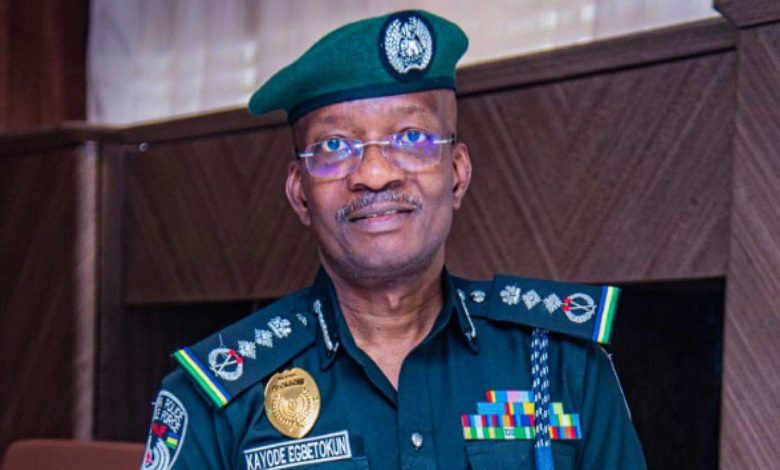
Inspector-General of Police (IGP) Olukayode Egbetokun has tasked Police Public Relations Officers (PPROs) to act as a bridge between the police force and citizens. This directive aims to enhance communication, build trust, and foster a better understanding of the police’s role within communities across Nigeria.
Building Trust Through Effective Communication
In his recent address, IGP Egbetokun emphasized the crucial role that PPROs play in shaping the public’s perception of the police. By serving as intermediaries, these officers are expected to convey accurate information while addressing citizens’ concerns. This two-way communication is vital for fostering understanding and collaboration between law enforcement and the communities they serve.
Effective communication can significantly improve community relations. When citizens feel informed and heard, it enhances their trust in the police. IGP Egbetokun highlighted the importance of timely and transparent communication, particularly in the face of rising misinformation and public skepticism about law enforcement.
To achieve this, PPROs are encouraged to engage with media outlets and utilize social media platforms. These channels can facilitate real-time updates on police activities, community programs, and public safety initiatives. By maintaining an active online presence, PPROs can dispel rumors and provide accurate information, ultimately improving public perception.
Empowering PPROs for Community Engagement
To empower Police Public Relations Officers, IGP Egbetokun called for comprehensive training programs that focus on communication skills and community engagement strategies. Training will prepare PPROs to handle various situations, from press conferences to direct interactions with citizens.
Police officers must be equipped with the right tools and knowledge to effectively engage with the public. IGP Egbetokun emphasized that these officers should prioritize listening to community concerns. By understanding the needs and grievances of citizens, the police can respond more effectively and create tailored solutions.
Additionally, community events and outreach programs can help bridge the gap between the police and citizens. IGP Egbetokun urged PPROs to be proactive in participating in local events, enhancing police visibility, and fostering a sense of community. Active involvement allows the police force to be seen as approachable and dedicated to serving the public.
Conclusion: A Collaborative Future for Policing
In conclusion, IGP Olukayode Egbetokun’s directive for Police Public Relations Officers to serve as a bridge between the force and citizens is a vital step towards enhancing community relations. By prioritizing effective communication and community engagement, the police force can build trust and create a collaborative environment with citizens.
As the police continue to navigate the challenges of modern law enforcement, the role of PPROs becomes increasingly important. Empowering these officers with the necessary skills and resources will not only improve public perception but also foster a safer and more connected society.
FAQ Section
What is the role of Police Public Relations Officers?
PPROs serve as intermediaries between the police force and the public, conveying information and addressing community concerns.
Why is effective communication important for the police?
Effective communication builds trust, enhances community relations, and improves public perception of the police.
How does IGP Egbetokun plan to empower PPROs?
He plans to implement comprehensive training programs focused on communication skills and community engagement strategies.
What strategies can PPROs use to engage citizens?
PPROs can utilize media outlets, social media, and participate in community events to enhance visibility and foster trust.
How can community involvement benefit the police?
Active community involvement allows the police to be seen as approachable and dedicated to serving the public, ultimately improving safety and cooperation.