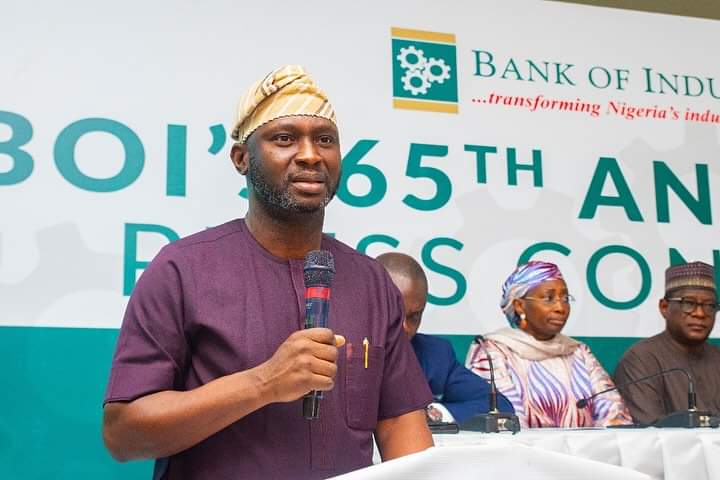
The World Bank and the Bank of Industry (BOI) have introduced a new finance model aimed at enhancing development in Nigeria. This innovative approach seeks to unlock private capital and boost financial inclusion across various sectors.
Objectives of the New Finance Model
The newly unveiled finance model targets several key objectives that align with Nigeria’s economic growth strategy. These objectives include:
- Unlocking Private Capital: One of the primary goals of this model is to attract private investment into sectors that require financing. By creating a more inviting investment climate, the World Bank and BOI aim to stimulate economic activity and innovation.
- Boosting Financial Inclusion: The model emphasizes improving access to financial services for underserved populations. This includes small and medium-sized enterprises (SMEs), which are critical for job creation and economic stability. By expanding financial access, the initiative aims to empower more individuals and businesses to participate in the economy.
- Encouraging Sustainable Development: The new approach also focuses on sustainability, ensuring that investments contribute positively to social and environmental outcomes. This aligns with global standards for responsible investing and aims to promote long-term growth.
- Strengthening Local Economies: By fostering private sector involvement, the model aims to strengthen local economies. Increased investment can lead to job creation, improved infrastructure, and enhanced services, benefiting communities across Nigeria.
- Collaboration with Stakeholders: The World Bank and BOI are committed to working with various stakeholders, including government agencies, business leaders, and civil society organizations. This collaborative approach will help tailor solutions that meet the specific needs of different sectors.
Benefits of the New Finance Model
The implementation of this new finance model is expected to yield several significant benefits for Nigeria:
- Increased Investment Opportunities: By attracting private capital, the model can provide more opportunities for financing development projects. This can lead to enhanced infrastructure, better healthcare facilities, and improved educational institutions.
- Job Creation: The influx of private investment is likely to result in job creation. As businesses grow, they will require more employees, contributing to lower unemployment rates and fostering economic stability.
- Enhanced Competitiveness: With increased access to finance, Nigerian businesses can invest in innovation and technology. This can enhance their competitiveness both locally and internationally, allowing them to better serve their customers.
- Economic Diversification: The new model encourages investment in various sectors, promoting economic diversification. This is crucial for reducing reliance on a single sector and building a more resilient economy.
- Improved Quality of Life: Ultimately, the goal of the new finance model is to enhance the quality of life for Nigerians. By boosting economic growth and creating job opportunities, individuals and communities can experience improved living conditions.
Conclusion: A Pathway to Growth
In conclusion, the World Bank and Bank of Industry have unveiled a promising new finance model for Nigeria. By unlocking private capital and promoting financial inclusion, this initiative aims to drive sustainable development and economic growth.
As the model is implemented, it holds the potential to transform the financial landscape in Nigeria. With the support of stakeholders across sectors, this approach could pave the way for a more prosperous future for all Nigerians.
FAQ Section
What is the new finance model for Nigeria?
The new finance model introduced by the World Bank and BOI aims to unlock private capital and boost financial inclusion across various sectors.
How will this model benefit Nigeria?
It will attract investment, create jobs, enhance competitiveness, promote economic diversification, and improve the quality of life for residents.
Who are the key stakeholders involved in this initiative?
Key stakeholders include the World Bank, Bank of Industry, government agencies, business leaders, and civil society organizations.
Why is financial inclusion important for Nigeria?
Financial inclusion empowers underserved populations and SMEs, allowing them to participate in the economy and contribute to economic stability and growth.