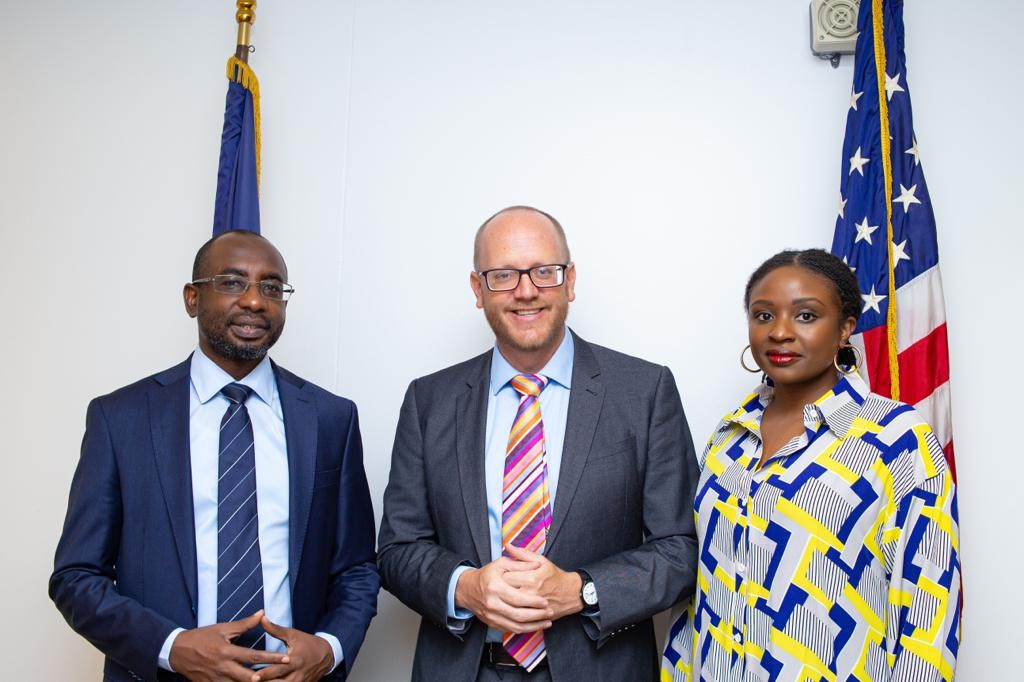
The Director-General of the National Information Technology Development Agency (NITDA), Kashifu Inuwa Abdullahi, has called for enhanced collaboration among West African countries to strengthen digital sovereignty. This initiative aims to empower nations in the region to take control of their digital landscapes and promote sustainable technological development.
Understanding Digital Sovereignty
Digital sovereignty refers to the ability of a nation to govern its digital space, including data protection, cybersecurity, and the development of local technologies. Inuwa emphasized that as digital technologies continue to advance, it is essential for West African countries to collaborate on policies that protect their interests in the global digital economy.
Currently, many West African nations face challenges related to data privacy, cybersecurity threats, and dependency on foreign technology. By fostering a unified approach to digital sovereignty, countries can work together to address these challenges effectively. Inuwa urged that collaboration can lead to the establishment of legal frameworks and standards that align with local needs and values.
Key Points from Inuwa’s Advocacy
- Regional Cooperation: Inuwa highlighted the importance of regional cooperation in achieving digital sovereignty. He suggested that West African countries can share best practices, resources, and expertise to build resilient digital ecosystems.
- Capacity Building: The NITDA DG stressed the need for capacity building in local tech industries. Investing in education and skill development will empower citizens to participate actively in the digital economy and reduce reliance on foreign technologies.
- Cybersecurity Initiatives: Strengthening cybersecurity measures is essential for protecting digital assets. Inuwa called for collaborative efforts to develop robust cybersecurity frameworks that can safeguard personal and national data against threats.
- Local Content Development: Promoting the creation of local digital content is crucial for enhancing digital sovereignty. By supporting local developers and entrepreneurs, West African nations can create solutions that cater to their specific challenges and cultures.
- Policy Harmonization: Inuwa advocated for harmonizing digital policies across West African countries. A unified regulatory framework can simplify cross-border digital transactions, enhancing trade and collaboration within the region.
Conclusion: NITDA DG Advocates West African Digital Sovereignty
In conclusion, Kashifu Inuwa Abdullahi’s call for West African collaboration on digital sovereignty is a timely reminder of the importance of a unified approach to technology and governance. By working together, West African nations can create a more secure, resilient, and innovative digital landscape.
As the digital economy continues to evolve, the benefits of collaboration will become increasingly significant. Strengthening digital sovereignty will not only empower individual nations but also position West Africa as a competitive player in the global digital arena.
FAQ Section
What is digital sovereignty?
Digital sovereignty refers to a nation’s ability to control its digital space, including data protection and cybersecurity.
Why is collaboration important for digital sovereignty?
Collaboration allows countries to share best practices, resources, and expertise, helping to build resilient digital ecosystems.
What initiatives did Inuwa advocate for?
Inuwa advocated for regional cooperation, capacity building, cybersecurity initiatives, local content development, and policy harmonization.
How can local content development enhance digital sovereignty?
Supporting local content development empowers nations to create solutions that address their specific challenges and cultural needs.