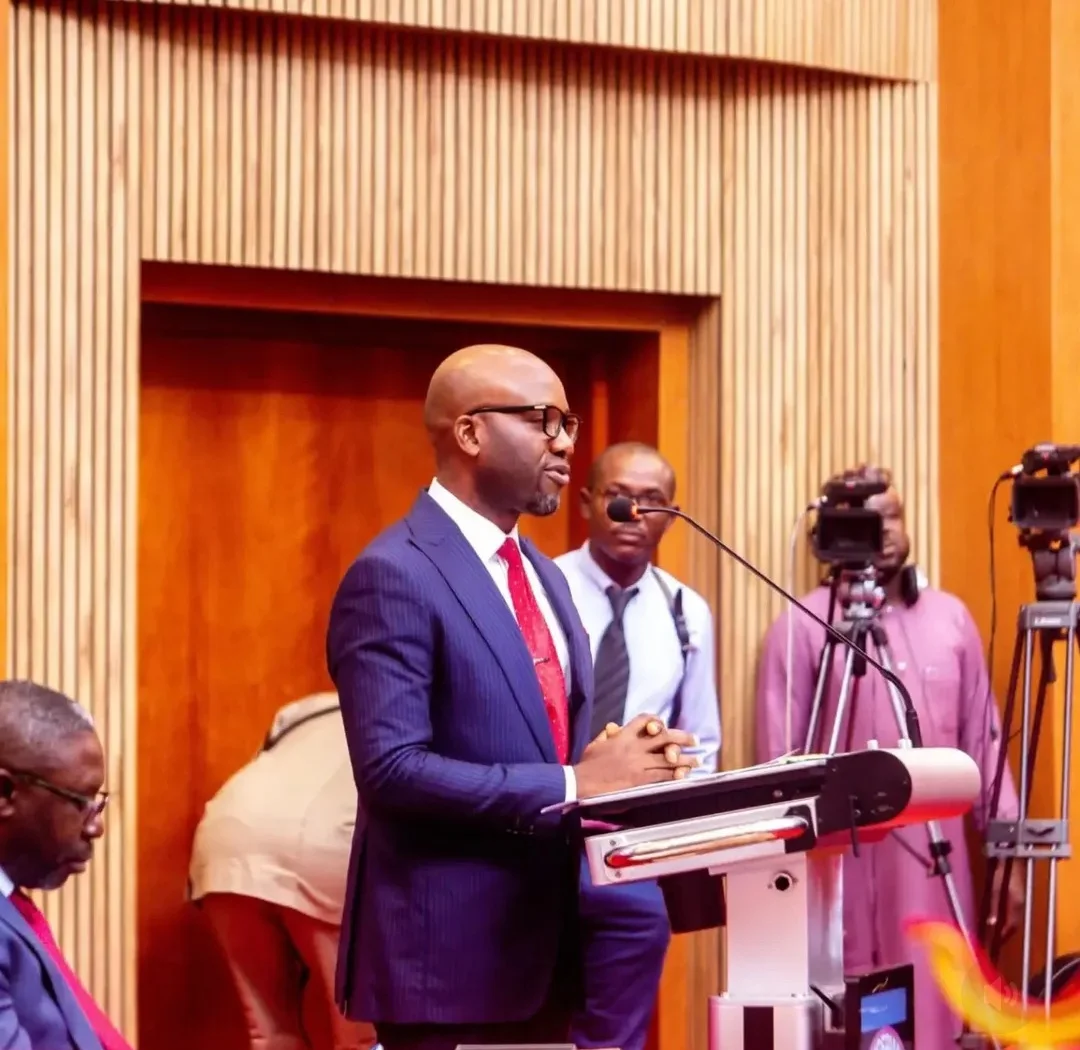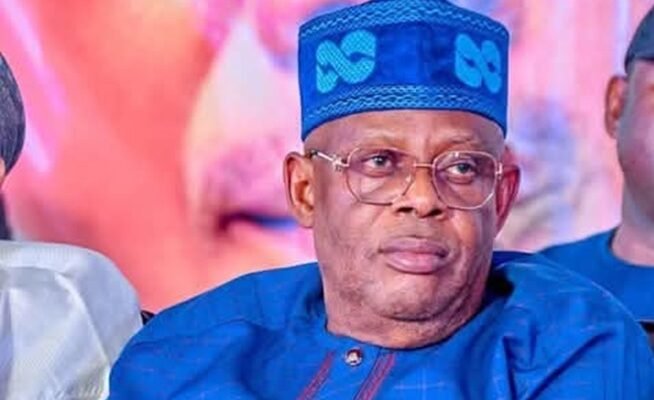
Governor Peter Mbah of Enugu State has been honoured with two major awards by organised labour, emerging as the “Most Labour-Friendly Governor” and “Best Performing Governor” in Nigeria.
The recognition reflects growing attention on governance performance, workers’ welfare, and development initiatives within the state. Therefore, the awards highlight the importance of leadership approaches that prioritise labour relations, infrastructure, and public sector engagement.
Why the Recognition Matters
Labour organisations remain influential stakeholders.
Recognition from organised labour often reflects assessments of government policies relating to workers’ welfare, salary implementation, workplace conditions, and public sector relations. Therefore, the awards presented to Governor Peter Mbah carry symbolic significance within governance and labour discussions.
Such honours also contribute to broader public perceptions of administrative performance.
The Importance of Labour-Friendly Policies
Strong labour relations support stability.
Governments that maintain constructive engagement with workers and labour unions often promote industrial harmony and institutional efficiency. Therefore, labour-friendly policies can strengthen trust between governments and public sector employees.
Stable labour relations also support uninterrupted service delivery and productivity.
Performance and Development Expectations
Citizens increasingly evaluate governance through results.
Infrastructure projects, economic initiatives, education reforms, healthcare improvements, and social investments remain major indicators of performance for many administrations. Therefore, recognition as a “Best Performing Governor” reflects public and institutional attention on measurable development efforts.
Performance-based recognition also encourages accountability and competitiveness among leaders.
Peter Mbah’s Growing National Visibility
State leadership increasingly attracts national attention.
Governor Peter Mbah has continued gaining visibility through infrastructure plans, transportation initiatives, and governance reforms within Enugu State. Therefore, national recognition from organised labour further strengthens his public profile.
Public awards also influence political and governance conversations nationwide.
The Role of Organised Labour in Governance
Labour groups contribute to democratic accountability.
Organised labour frequently advocates for workers’ rights, fair wages, and improved governance standards. Therefore, their endorsements and criticisms often shape public discourse around leadership performance.
Recognition from labour organisations may also reflect broader public sentiment regarding governance outcomes.
Encouraging Competitive Governance
Awards can inspire improved leadership standards.
Public recognition for governance achievements often motivates stronger policy implementation and institutional performance. Therefore, performance-based honours may encourage other leaders to focus more on development outcomes and worker engagement.
Healthy competition among states can also drive innovation and reforms.
Looking Ahead
Public expectations will continue rising.
As governance performance increasingly attracts public scrutiny, citizens and institutions are likely to continue evaluating leaders based on service delivery and developmental impact. Therefore, maintaining consistency and measurable progress will remain important.
Sustained engagement with workers and communities will also remain essential.
Conclusion: Recognition Reflects Governance and Labour Engagement
The emergence of Governor Peter Mbah as both “Most Labour-Friendly Governor” and “Best Performing Governor” reflects growing recognition of his administration’s engagement with organised labour and development-focused governance in Enugu State.
The awards underscore the importance of leadership that prioritises workers’ welfare, institutional cooperation, and measurable progress.
Ultimately, strong governance and constructive labour relations remain critical pillars for sustainable development and public trust in Nigeria.