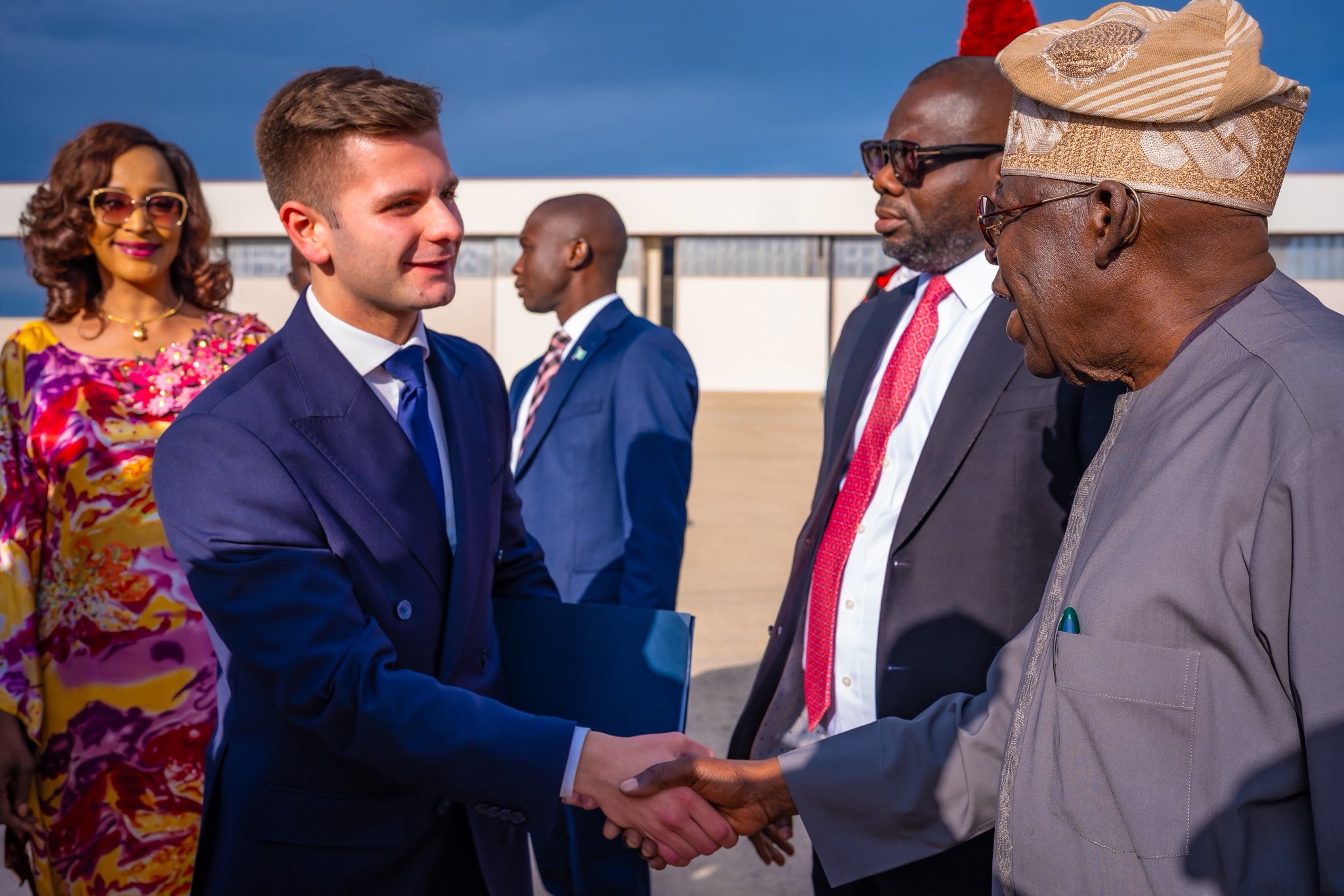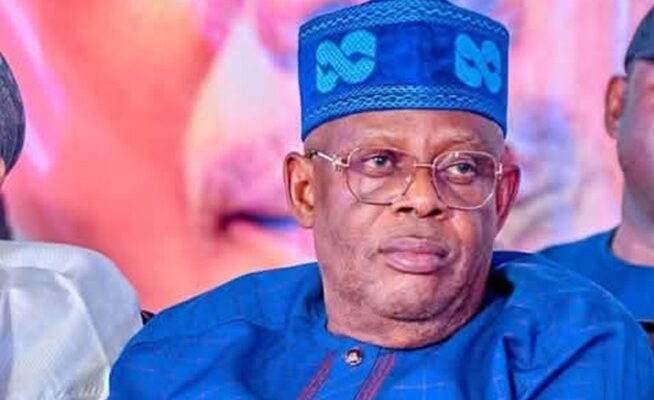

Nigeria has taken a bold step toward securing its space future. President Bola Ahmed Tinubu has directed the immediate release of funds for the maintenance of the nation’s space assets. This major decision was announced during the first meeting of the National Space Council in Abuja.
The move signals more than cash on paper. It marks a fresh commitment to advancing technology, science, innovation, and national value. It also shows Nigeria’s readiness to join the global space economy, which analysts project could hit $1 trillion by 2040.
A New Dawn for Nigeria’s Space Ambitions
For years, Nigeria has invested in satellites, research, and space policy with vision and determination. At Tuesday’s meeting, President Bola Ahmed Tinubu made it clear that the nation must not watch from the sidelines as the global space frontier unfolds. He insisted the country must actively participate, compete, and contribute to the industry’s growth.
The President noted that investing in space isn’t only about science or prestige. It’s about delivering real benefits for everyday citizens — from farmers with precision agriculture tools to teachers with improved digital content delivery.
Why This Funding from President Bola Ahmed Tinubu Matters
Space assets include satellites, ground stations, and other equipment that support communication, navigation, security, weather forecasting, and more. Maintaining these technologies preserves national capacity in areas that matter:
- Early warning systems for floods and fires.
- Smarter urban planning through data from orbit.
- Secure communications for government and private use.
Without proper funding, Nigeria risks losing ground just as other nations race forward in space technology and digital infrastructure.
A Roadmap With Purpose
During the council meeting, President Bola Ahmed Tinubu reaffirmed his administration’s commitment to the 25-year National Space Policy and Programme. Approved funds will support this roadmap, which aims to expand Nigeria’s technological edge strategically.
To keep this plan alive, he approved that the cost implications for the roadmap’s implementation be forwarded to the Federal Executive Council for approval. This ensures space funding is not just announced but also appropriated.
Accountability First
In his address, the president stressed that space ambitions must be anchored in outcomes and accountability. This means results must be measurable, resources must be used wisely, and stakeholders must be held responsible for progress.
Nigeria’s space officials are now tasked with enforcing regulations that safeguard these assets. The NASRDA Act 2010 provides the legal framework for responsible oversight.
Benefits Beyond Orbit
This funding is more than just space tech investment. It’s an investment in national growth. When satellites work well:
- Farmers can access more accurate weather data.
- Traders can rely on better communications.
- Urban planners get data to build smarter cities.
Experts believe these advantages will contribute to jobs, economic activity, and a stronger digital economy.
Looking to the Future
By releasing funds now, President Bola Ahmed Tinubu is placing Nigeria at the start of an exciting chapter in space and science. This decision sets the tone for future innovation, technological growth, and national pride.
Nigeria’s space journey is still young. With proper funding, clear policy, and dedicated leadership, the nation can turn lofty aspirations into real achievements that benefit millions.