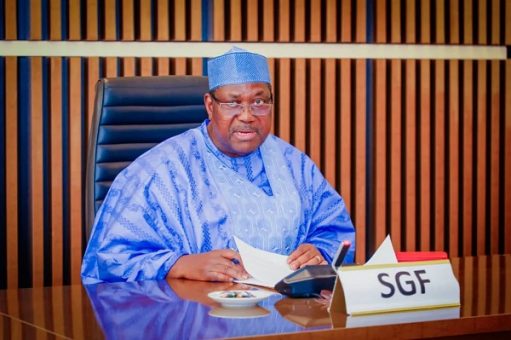
George Akume, the Secretary to the Government of the Federation (SGF), has demanded clarification from the Health Minister regarding the sachet alcohol ban. This comes as the National Agency for Food and Drug Administration and Control (NAFDAC) faces pressure from the National Assembly over its enforcement actions related to the ban.
Background of the Sachet Alcohol Ban
The sale of sachet alcohol has been a controversial topic in Nigeria. Concerns regarding public health, safety, and the impact of cheap alcoholic beverages have led to discussions about regulating this market. The government has aimed to reduce alcohol consumption among youth and curb associated health risks. The introduction of the sachet alcohol ban was seen as a step toward addressing these issues.
However, enforcement of this ban has faced challenges. NAFDAC has been tasked with regulating the industry, but questions regarding its effectiveness and adherence to policy have arisen. Critics argue that without clear guidelines and support, efforts to implement the ban may falter. The National Assembly’s involvement indicates growing concern about the public health ramifications of sachet alcohol sales.
The SGF’s Request for Clarification
Amid ongoing discussions, SGF George Akume has called upon the Health Minister to provide detailed reasoning behind the ban. His inquiry highlights the need for a comprehensive strategy that addresses the complexities of alcohol regulation. Akume’s request aims to understand the potential implications for manufacturers, consumers, and public health.
Moreover, the SGF is keen on ensuring that all governmental measures align with broader national health objectives. The effectiveness of such a ban hinges not only on enforcement but also on public awareness and education regarding the dangers of excessive alcohol consumption. Akume’s engagement with the Health Ministry seeks to ensure that any actions taken are backed by a clear rationale and widespread support.
The Challenges Ahead
The challenges NAFDAC faces are formidable. Ensuring compliance among manufacturers and retailers is a significant task. Given the prevalence of illicit sales and unregulated products in the market, the agency must identify effective enforcement strategies. The National Assembly’s scrutiny indicates that there is a pressing need for accountability in tackling these challenges.
Moreover, public sentiment about the ban is mixed. Some argue that the ban could harm local producers and lead to job losses, particularly in the informal sector. Others emphasize the necessity of protecting public health and supporting responsible drinking habits. Finding a balanced approach that addresses these concerns while promoting health and safety is crucial.
Conclusion: A Balanced Approach Needed
In conclusion, George Akume’s demand for clarification on the sachet alcohol ban highlights the complexities surrounding alcohol regulation in Nigeria. The need for a well-defined approach that considers public health, economic impact, and enforcement challenges is evident.
Moving forward, effective collaboration between government agencies, stakeholders, and the public will be essential. A balanced strategy can ensure that the goals of reducing alcohol-related harm are met without undermining local businesses.
FAQ Section
What is the sachet alcohol ban about?
The sachet alcohol ban aims to regulate the sale of cheap alcoholic beverages to protect public health and reduce consumption, particularly among youth.
Why has the SGF requested clarification from the Health Minister?
SGF George Akume seeks clarity to ensure the ban is effectively implemented and aligned with national health objectives.
What challenges does NAFDAC face in enforcing the ban?
NAFDAC must tackle issues related to compliance, public sentiment, and the prevalence of illicit alcohol sales in the market.
How does the sachet alcohol ban impact local producers?
The ban raises concerns about potential job losses and economic implications for local producers within the informal sector.