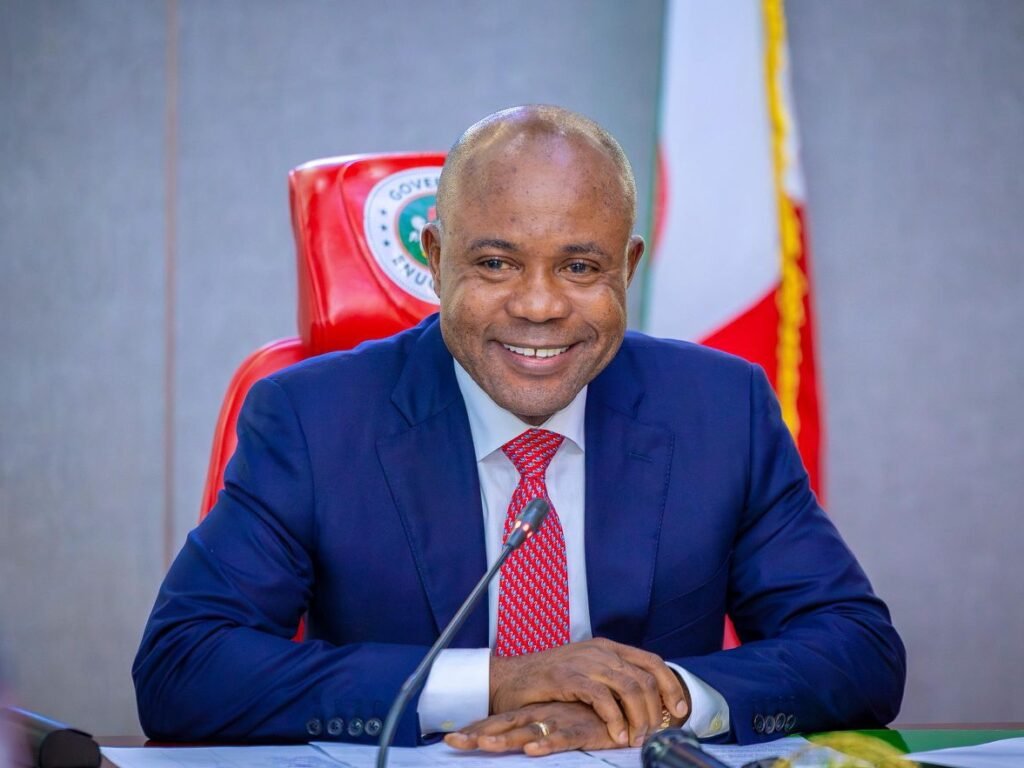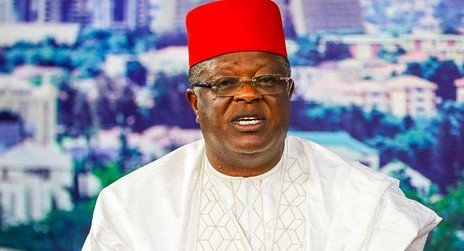
The Managing Director/CEO of the Rural Electrification Agency (REA), Abba Aliyu, has raised a serious alarm over Nigeria’s deepening Electricity crisis.
He revealed that Nigeria loses an estimated $29 billion annually, roughly two percent of its Gross Domestic Product, due to unreliable electricity.
This figure does not just highlight a sector challenge. Instead, it exposes a major economic constraint that continues to limit national growth.
The Cost of Unreliable Power
Electricity remains the backbone of modern economies.
However, inconsistent power supply has forced businesses and households to rely on expensive alternatives. As a result, production costs rise while competitiveness declines.
According to Abba Aliyu, these inefficiencies translate directly into economic losses. Every outage disrupts productivity. Every delay reduces output.
Consequently, the cumulative effect reaches billions of dollars annually.
Impact on Businesses and Industries
The private sector bears a significant portion of this burden.
Manufacturers, small businesses, and service providers depend heavily on stable electricity. Without it, operations slow down or stop entirely.
Therefore, many businesses invest in generators and alternative power sources. While this ensures continuity, it increases operating costs significantly.
Abba Aliyu emphasized that such conditions weaken industrial growth and discourage investment.
A Barrier to Economic Expansion
Reliable power drives economic expansion.
It supports job creation, industrialization, and innovation. However, when electricity becomes unreliable, growth slows.
The $29 billion annual loss reflects missed opportunities. It represents industries that could expand, jobs that could be created, and investments that could flow into the economy.
For Nigeria, addressing this challenge remains critical to unlocking its full economic potential.
The Role of Electrification Initiatives
The Rural Electrification Agency plays a key role in bridging the power gap.
Through off-grid solutions, mini-grids, and renewable energy projects, the agency aims to expand access to electricity, especially in underserved areas.
Abba Aliyu highlighted the importance of scaling these initiatives. Expanding access reduces dependence on unreliable central systems.
Moreover, decentralized energy solutions can improve resilience and efficiency.
Renewable Energy as a Strategic Solution
Renewable energy offers a viable pathway forward.
Solar, wind, and hybrid systems provide alternative sources of power. They also reduce environmental impact.
Abba Aliyu pointed to the growing role of renewable energy in addressing the crisis.
By investing in these solutions, Nigeria can diversify its energy mix and improve reliability.
Urgency for Policy and Investment
Addressing the power crisis requires coordinated action.
Government policies must support investment. Private sector participation must increase. Infrastructure development must accelerate.
Abba Aliyu’s warning underscores the urgency of these efforts.
Without decisive action, the economic losses will continue to grow.
Conclusion: Turning Crisis into Opportunity
The $29 billion annual loss highlights the scale of Nigeria’s electricity crisis.
However, it also presents an opportunity.
With the right investments, policies, and innovations, Nigeria can transform its power sector.
As Abba Aliyu has emphasized, solving the electricity crisis will not only reduce losses. It will also unlock economic growth, improve productivity, and strengthen national development.
Ultimately, reliable power is not just a necessity. It is a foundation for progress.