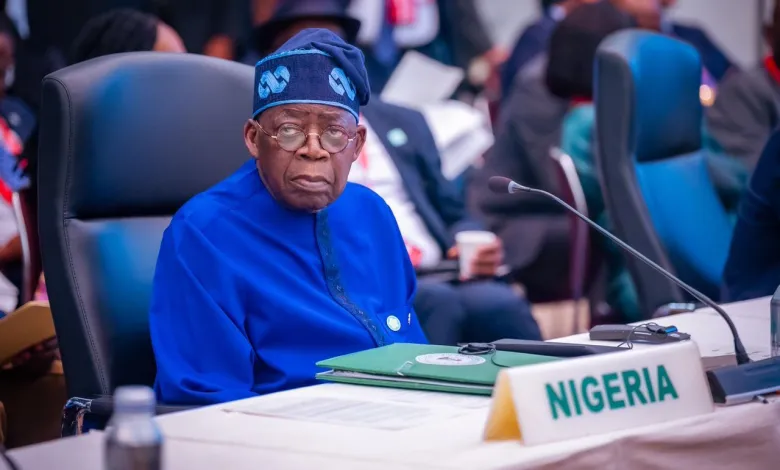
The Special Adviser on Information and Strategy to President Bola Tinubu, Mr. Bayo Onanuga, has announced that Nigeria’s key economic indicators are now in a positive trend. This development reflects the administration’s commitment to implementing effective policies aimed at revitalizing the nation’s economy.
Positive Trends in Economic Performance
Bayo Onanuga emphasized that several key metrics have shown significant improvement recently. These include inflation rates, foreign direct investment (FDI), and overall economic growth. The government attributes these advancements to strategic reforms and initiatives aimed at stabilizing and growing the economy.
Economic growth is particularly encouraging, as it indicates a rebound from previous downturns. The administration has focused on diversifying the economy away from its dependence on oil. This approach has included promoting sectors such as agriculture, technology, and manufacturing, which are essential for sustainable development.
Onanuga cited efforts to create a more favorable business environment as a key factor in attracting foreign investments. The government’s initiatives to simplify regulatory processes and enhance infrastructure have contributed to renewed investor confidence. By fostering a more adaptable and innovative economy, President Tinubu aims to accelerate growth and improve the overall standard of living for Nigerians.
Addressing Challenges for Sustainable Growth
While the positive economic indicators are noteworthy, Onanuga acknowledged that challenges remain. Issues such as unemployment and poverty need ongoing attention. The administration is committed to robust job creation strategies aimed at enhancing workforce skills and opportunities.
Another crucial element is the government’s plan to improve access to finance for small and medium-sized enterprises (SMEs). By making funding more accessible, the administration aims to stimulate entrepreneurship and drive job creation. Support for SMEs is essential in building a resilient economy that can withstand external shocks.
Furthermore, the government plans to enhance social safety nets to support vulnerable populations. These programs are critical in ensuring that the benefits of economic growth reach all segments of society, thereby promoting social equity and stability.
Conclusion: Nigeria’s Economic Indicators Improve Under Tinubu
In conclusion, Nigeria’s key economic indicators have shown a positive turn under President Bola Tinubu, as confirmed by Bayo Onanuga. The administration’s focus on strategic reforms, diversification, and enhancing the business environment has laid the groundwork for sustainable growth.
While challenges remain, the commitment to inclusive economic policies and social welfare ensures that all Nigerians can benefit from growth. With a visionary path forward, Nigeria is poised to enhance its status as a leading economy in Africa.
FAQ Section
What improvements have been observed in Nigeria’s economy?
Key economic indicators such as inflation, foreign direct investment, and overall growth have shown positive trends.
How is the Tinubu administration diversifying the economy?
The administration is promoting sectors like agriculture, technology, and manufacturing to reduce dependence on oil.
What role do SMEs play in Nigeria’s economic recovery?
SMEs are critical for job creation and stimulating entrepreneurship, which contributes to a resilient economy.
How is the government addressing challenges like unemployment?
The administration is implementing strategies focused on job creation and skills development to tackle unemployment effectively.