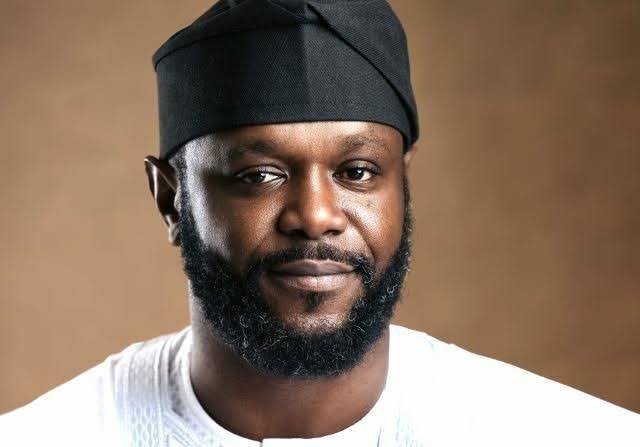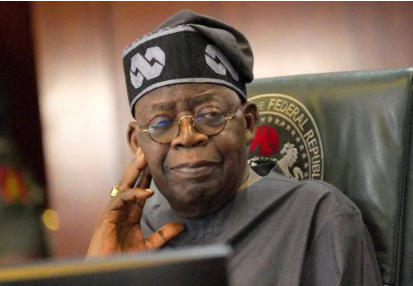
President Bola Ahmed Tinubu’s Special Adviser on Political and Other Matters, Ibrahim Masari, has said about 500 Islamic scholars and religious leaders have endorsed the President for re-election in 2027.
Masari disclosed the development while speaking on the political activities surrounding the President’s bid for another term, describing the endorsement as a significant expression of support from religious figures.
The reported endorsement comes as political activities ahead of the 2027 presidential election continue to intensify, with political parties, support groups, community organisations, and prominent individuals increasingly positioning themselves ahead of the contest.
Religious Leaders Join Political Conversation
The reported endorsement places a large group of Islamic scholars and religious leaders within the growing political conversation ahead of the next presidential election.
Furthermore, religious leaders often maintain significant relationships with communities and can influence public discussions on governance, social issues, and national development.
Their participation can attract public attention.
Their statements can shape political conversations.
Their community networks can support mobilisation.
However, endorsements remain political expressions of support and do not automatically determine how citizens will vote at the polls.
Masari Highlights Support for Tinubu
Masari’s statement suggests that the reported endorsement is part of broader efforts to demonstrate support for Tinubu’s administration and his re-election bid.
Furthermore, political supporters are increasingly highlighting endorsements as the country moves closer to the 2027 election.
Support groups can organise campaigns.
Political figures can mobilise communities.
Religious and traditional leaders can engage followers.
These activities are expected to increase as political parties prepare for the election.
Tinubu’s 2027 Re-election Bid
President Tinubu is seeking another term in office, with his supporters expected to focus on the policies and programmes implemented by his administration.
Furthermore, the President’s camp has continued to defend his economic and governance agenda while calling for continuity beyond the current administration’s first term.
Supporters argue that ongoing reforms require time.
They also emphasise continuity in government programmes.
Opposition figures, however, continue to offer different assessments of the administration’s performance.
Economic Performance Will Remain Important
The economy is expected to remain one of the major issues in the 2027 presidential contest.
Furthermore, Nigerians will likely assess the government’s performance based on inflation, employment, household purchasing power, investment, infrastructure, energy, and other economic indicators.
Government supporters will highlight achievements.
Opposition parties will raise concerns.
Voters will consider competing arguments.
The political debate will therefore extend beyond endorsements and focus heavily on economic outcomes.
Religious Leaders and National Issues
Islamic scholars and religious leaders often participate in discussions about national development, peace, social responsibility, and governance.
Furthermore, their public positions can contribute to wider conversations about the direction of the country.
Religious communities can encourage peaceful participation.
Clerics can promote responsible citizenship.
Community leaders can support dialogue.
Their involvement in political discussions therefore carries broader social significance.
Need for Peaceful Political Engagement
As political activities increase, calls for peaceful and responsible engagement are expected to become more important.
Furthermore, political competition should allow different candidates and groups to present their positions without encouraging violence, intimidation, or hostility.
Religious leaders can promote peaceful participation.
Political actors can encourage issue-based campaigns.
Citizens can evaluate competing policies.
Such an environment can strengthen Nigeria’s democratic process.
Endorsements Do Not Replace Voter Decisions
While endorsements can generate political momentum, electoral outcomes ultimately depend on voters and the democratic process.
Furthermore, citizens will make decisions based on their individual assessments of candidates, policies, records, and national priorities.
An endorsement can attract attention.
It can strengthen campaign visibility.
It can encourage political mobilisation.
However, it cannot guarantee electoral victory.
The 2027 election will ultimately be decided through the votes cast by eligible Nigerians.
Political Mobilisation Intensifies
The reported endorsement is another indication that political mobilisation for the 2027 election is already gaining momentum.
Furthermore, political actors are likely to continue seeking support from different regions, professional groups, religious communities, youth organisations, women’s groups, traditional institutions, and other constituencies.
Broad coalitions can expand campaign reach.
Community engagement can strengthen political networks.
Grassroots mobilisation can influence voter participation.
The coming months are therefore expected to produce more political endorsements and alliances.
Importance of Issue-Based Campaigns
Beyond endorsements, Nigerians will need clear explanations of what each presidential candidate intends to achieve if elected.
Furthermore, campaigns can provide opportunities for candidates to explain their plans for economic development, security, education, healthcare, employment, infrastructure, and social welfare.
Specific proposals can help voters compare candidates.
Measurable targets can improve accountability.
Clear policies can strengthen public debate.
This approach can make the electoral process more informative.
Looking Ahead
Masari’s claim that about 500 Islamic scholars and religious leaders have endorsed President Tinubu for re-election adds another development to the growing political activity ahead of 2027.
The reported support may strengthen the visibility of the President’s campaign among sections of the religious community, while opposition groups will continue seeking support from their own networks.
As the election approaches, endorsements are likely to become increasingly common.
However, the broader political contest will ultimately depend on candidates’ records, policies, campaign strategies, voter preferences, and the credibility of the electoral process.
Ultimately, the reported endorsement by about 500 Islamic scholars and religious leaders signals growing political mobilisation around Tinubu’s 2027 bid, but Nigerians will ultimately determine the election outcome through their votes and assessment of the competing visions for the country’s future.