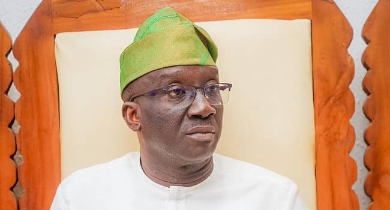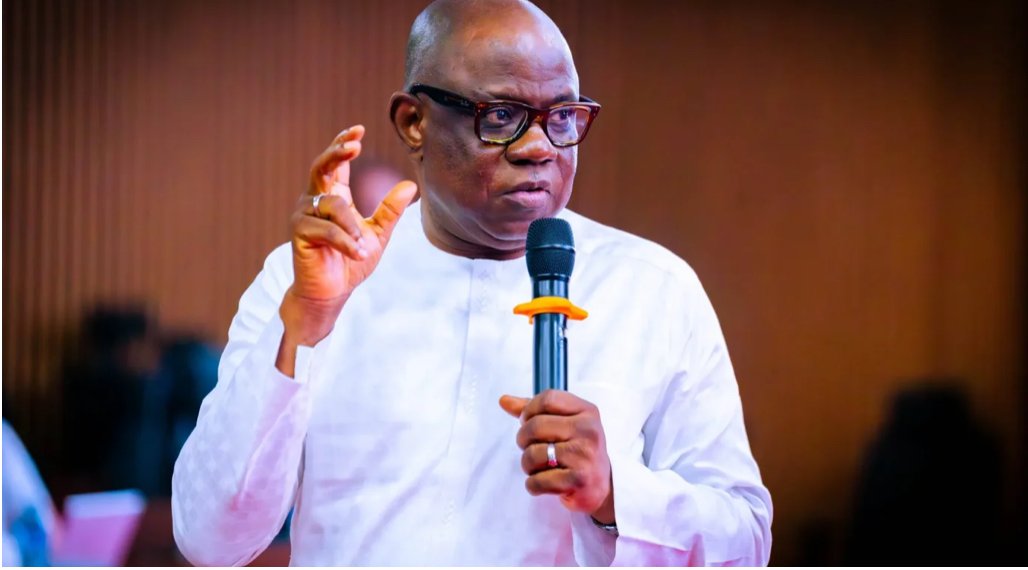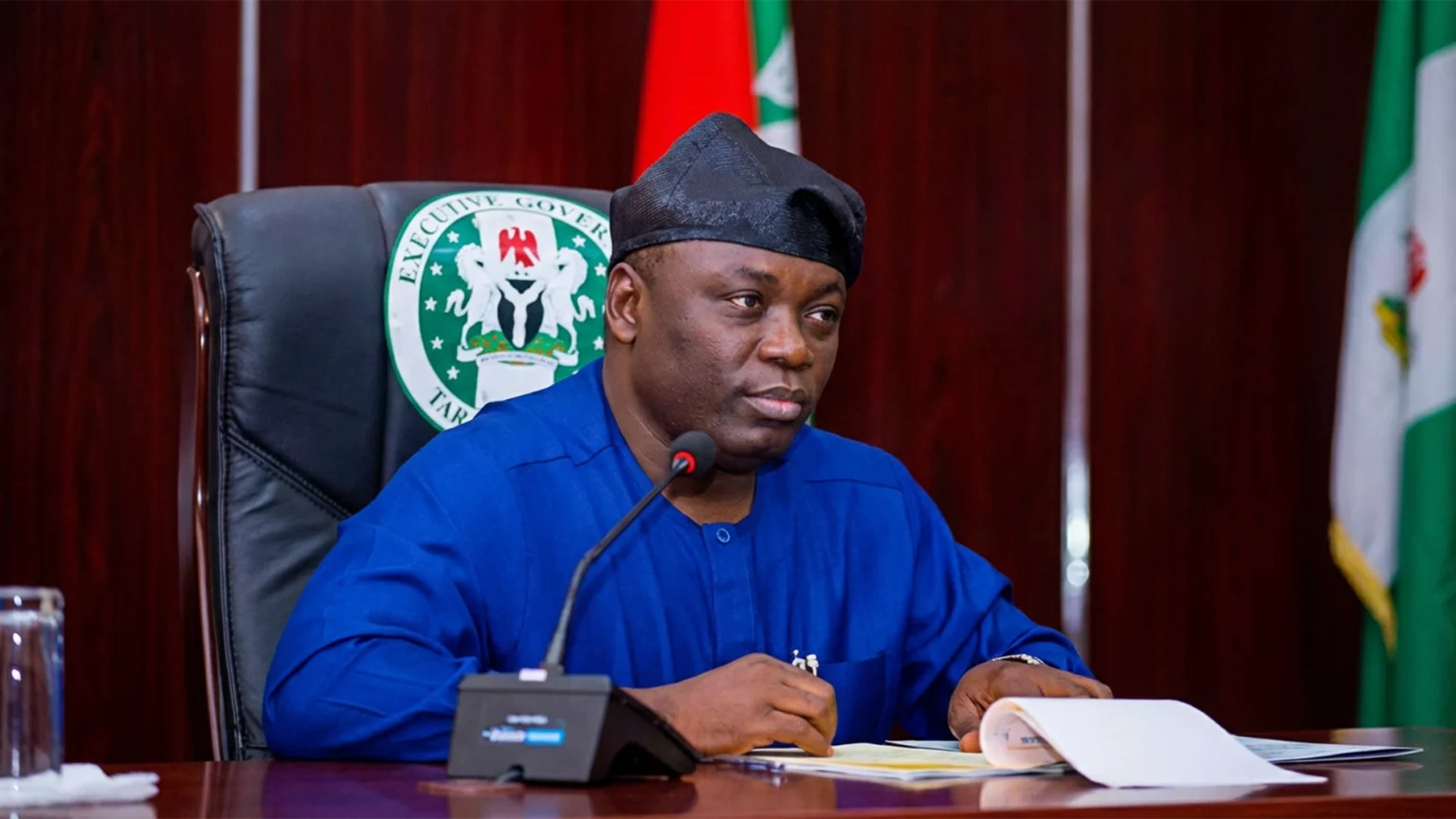
The Governor of Taraba State, Agbu Kefas, has unveiled plans to establish 14 Special Development Areas across the state as part of a broader effort to strengthen governance, accelerate grassroots development and expand access to government services in rural communities.
The governor described the initiative as a bold and strategic move aimed at addressing longstanding development challenges while bringing governance closer to underserved populations across the state.
According to him, many rural communities continue to face difficulties linked to inadequate infrastructure, limited public services and slow administrative access. Therefore, the proposed development areas seek to improve local governance structures and support more inclusive development.
The initiative reflects the administration’s growing focus on decentralisation, community engagement and equitable development across different parts of the state.
Bringing Government Closer to the People
One of the major goals of the proposed Special Development Areas is to improve the connection between government institutions and local communities.
In many rural areas, residents often experience delays in accessing administrative services, infrastructure projects and development programmes due to distance and limited institutional presence.
Governor Kefas explained that creating additional development structures would strengthen local coordination while improving the delivery of public services.
Furthermore, closer administrative engagement can help government officials better understand the specific needs and priorities of different communities.
The governor believes that governance becomes more effective when local populations participate actively in identifying and shaping development priorities within their own areas.
Addressing Longstanding Development Challenges
Many rural communities across Nigeria continue to face infrastructure deficits involving roads, healthcare facilities, schools, water supply and economic opportunities.
Taraba State, with its large geographical spread and diverse communities, also faces similar development pressures in several remote areas.
The proposed Special Development Areas are therefore expected to serve as platforms for accelerating projects capable of improving living standards and expanding economic opportunities.
According to the governor, balanced development remains important for social stability, economic growth and long-term state progress.
He stressed that no community should feel excluded from the benefits of governance and development.
Consequently, the initiative aims to ensure that rural populations receive greater attention within the state’s broader development agenda.
Strengthening Grassroots Administration
The proposal also reflects increasing emphasis on grassroots governance as an important component of democratic development.
Local governance structures often play critical roles in identifying community needs, coordinating development programmes and improving communication between citizens and government institutions.
By creating Special Development Areas, the administration hopes to improve administrative efficiency while encouraging stronger community participation in governance processes.
Observers note that decentralised governance models can help governments respond more effectively to local concerns and development priorities.
Additionally, stronger grassroots institutions may contribute to improved accountability and faster project implementation.
Economic Opportunities and Rural Growth
The governor also highlighted the economic potential of rural communities across the state.
Agriculture, local trade, small businesses and natural resources continue to support livelihoods in many parts of Taraba. However, inadequate infrastructure and limited government presence often slow economic expansion.
The planned development areas are expected to support rural economic activities through improved access to infrastructure, public services and administrative support.
Better roads, schools, healthcare facilities and local administrative systems can stimulate investment while encouraging broader economic participation.
Furthermore, improved governance structures may help attract development projects capable of strengthening productivity and employment opportunities in rural communities.
Encouraging Inclusive Development
Governor Kefas emphasized that inclusive development remains central to his administration’s vision for the state.
According to him, sustainable progress requires deliberate efforts to ensure that development reaches communities regardless of location, ethnicity or social background.
The initiative therefore seeks to promote fairness, inclusion and equal access to opportunities across the state.
Political analysts note that rural inclusion remains increasingly important in governance because many underserved communities continue to demand greater representation and improved access to public resources.
Consequently, development strategies focused on grassroots engagement often attract strong public interest and support.
Looking Ahead
The decision by Agbu Kefas to establish 14 Special Development Areas represents a significant attempt to strengthen grassroots governance and accelerate rural development across Taraba State.
As the initiative progresses, public attention will likely focus on implementation strategies, infrastructure delivery and the overall impact on local communities.
For many residents, the proposal raises expectations regarding improved access to government services, stronger local administration and more balanced development across the state.
Ultimately, the success of the initiative may depend on effective coordination, adequate funding and sustained commitment to inclusive governance and community-centred development.