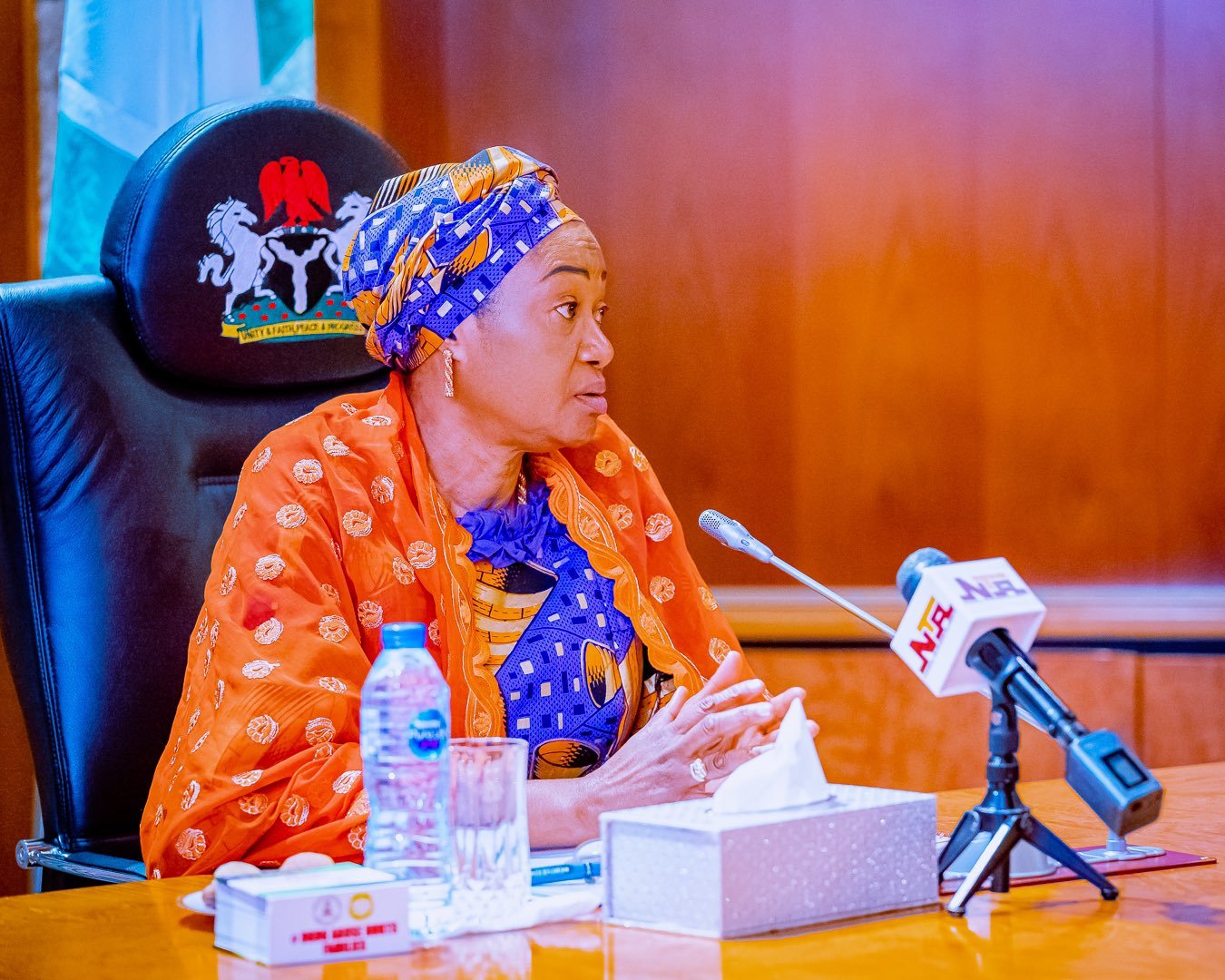
Nigeria’s First Lady, Senator Oluremi Tinubu, has called for greater policy inclusion for rural women, urging government institutions and development stakeholders to ensure that women in underserved communities benefit from programmes designed to improve livelihoods and promote economic growth.
She emphasised the need to recognise rural women as important contributors to agriculture, household welfare and community development, while ensuring that their needs receive adequate attention in policy formulation and implementation.
The call highlights continuing concerns about the barriers rural women face in accessing finance, education, healthcare, agricultural resources and economic opportunities.
Putting Rural Women at the Centre of Policy Decisions
Rural women play significant roles in Nigeria’s agricultural value chain, from food production and processing to marketing and distribution. Many also combine these responsibilities with unpaid care work and other activities that support their families and communities.
Despite these contributions, women in rural areas can face difficulties accessing land, affordable credit, modern farming equipment, training and reliable markets for their products.
Remi Tinubu’s call for policy inclusion draws attention to the importance of designing interventions that address these challenges rather than adopting a uniform approach that overlooks differences between rural and urban communities.
Effective inclusion requires policymakers to consult women directly, understand their circumstances and incorporate their priorities into programmes affecting agriculture, education, healthcare, social protection and enterprise development.
Expanding Access to Economic Opportunities
Improving rural women’s economic participation requires more than recognising their contributions. It also involves providing practical support that enables them to increase productivity, establish businesses and earn sustainable incomes.
Access to affordable financing remains particularly important for women engaged in farming, food processing, petty trading and other small-scale enterprises. Financial support, when combined with business training and market access, can help women expand their activities and improve household income.
Agricultural interventions can also make a difference by providing improved seedlings, processing equipment, storage facilities, extension services and access to buyers.
For women outside agriculture, vocational training, digital skills and entrepreneurship support can create additional opportunities to participate in the wider economy.
Addressing Barriers in Rural Communities
Policy inclusion must also account for challenges involving access to healthcare, education, transportation, clean water and other essential services.
In some rural communities, long distances to health facilities, inadequate transport infrastructure and limited access to information can restrict women’s ability to benefit from government programmes.
Strengthening public services and improving infrastructure can therefore complement economic empowerment initiatives.
Similarly, ensuring that women understand the programmes available to them is essential. Information should reach communities through accessible channels, including local institutions, cooperatives, community organisations and agricultural extension networks.
From Policy Commitments to Measurable Results
Translating advocacy into lasting change will require coordination among federal, state and local governments, alongside civil society organisations, private-sector partners and community leaders.
Programmes should establish clear objectives and measurable indicators to assess whether rural women are gaining improved access to funding, training, productive resources and public services.
Regular consultations with beneficiaries can also help identify gaps, improve implementation and ensure that interventions respond to changing needs.
For rural women, the value of policy inclusion ultimately lies in tangible improvements in their daily lives, including stronger livelihoods, better access to services and greater participation in decisions affecting their communities.
Remi Tinubu’s call places renewed emphasis on the need to make rural women visible in Nigeria’s development priorities. The challenge ahead is to ensure that this recognition translates into policies, resources and programmes that create meaningful opportunities across the country.