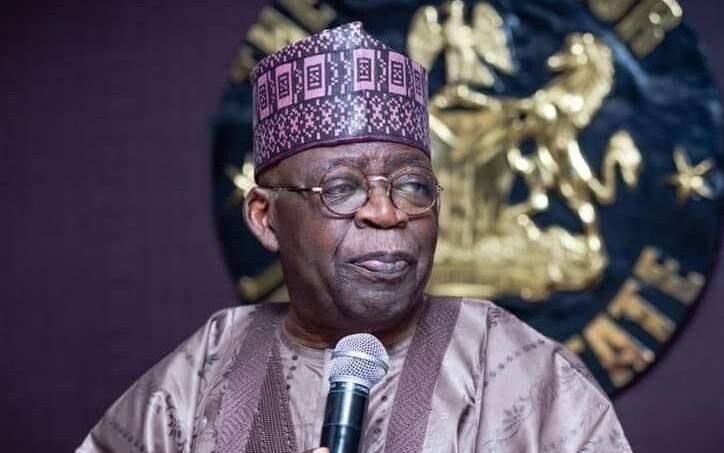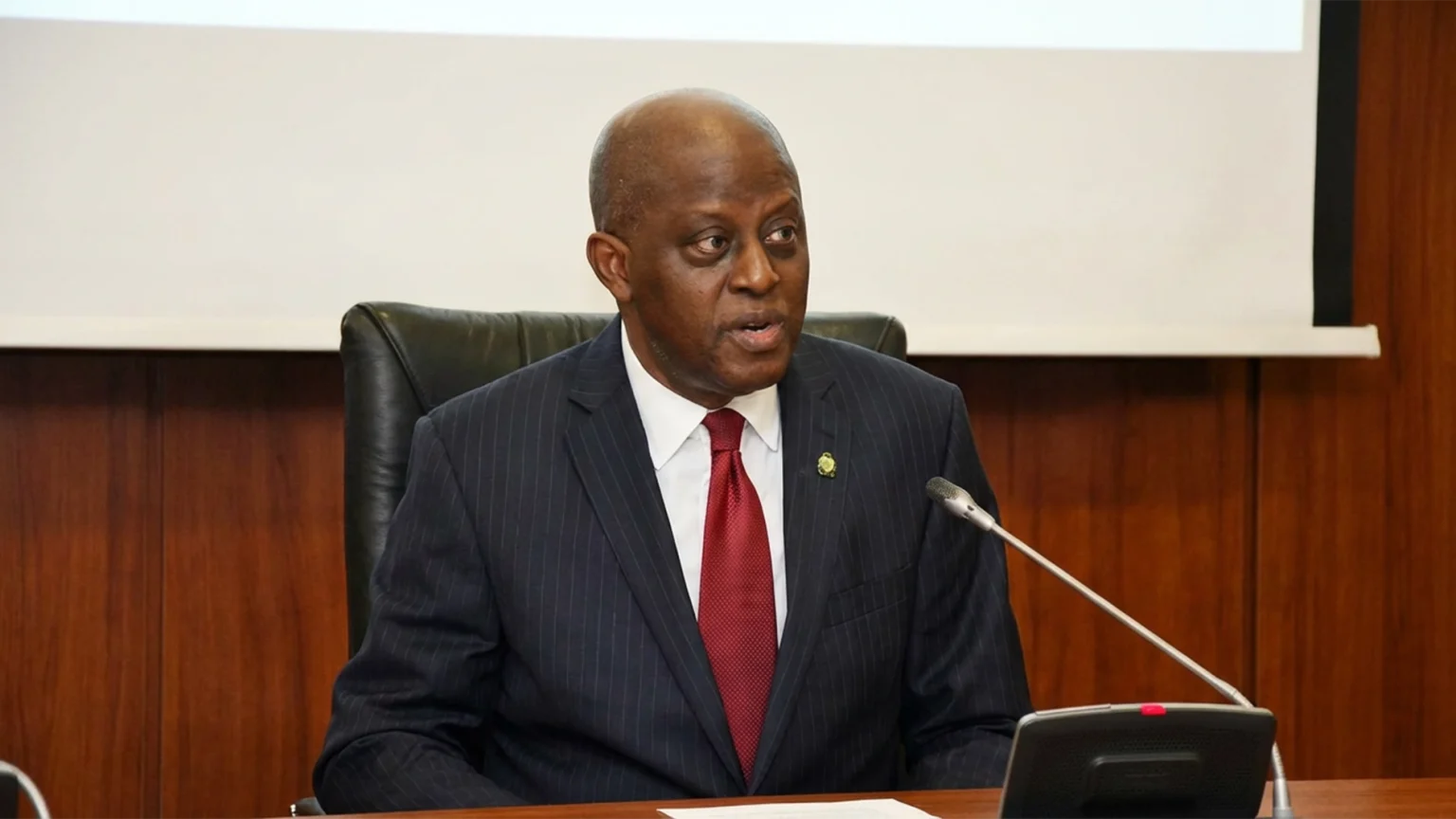
The Minister of State for Works, Bello Muhammad Goronyo, has described the ongoing Lagos-Calabar Coastal Highway as a landmark national project that will stimulate economic growth, strengthen national unity, improve connectivity and create new opportunities for communities across Nigeria.
Goronyo made the remarks while inspecting ongoing construction works and the commencement of the roadside tree-planting programme on behalf of the Minister of Works, David Umahi.
According to him, the project represents one of the most ambitious infrastructure developments in the country and demonstrates the Federal Government’s commitment to modernizing Nigeria’s transportation network.
Driving Economic Growth
Goronyo noted that the highway will serve as a major economic corridor capable of unlocking investment opportunities and supporting commercial activities across multiple states.
Improved road infrastructure often reduces transportation costs, facilitates the movement of goods and services and encourages business expansion.
Consequently, the Lagos-Calabar Coastal Highway is expected to stimulate trade, boost productivity and contribute significantly to economic development.
The project will also create direct and indirect employment opportunities during construction and after completion, thereby supporting livelihoods and local economies.
Strengthening National Connectivity
The minister emphasized that enhanced connectivity remains one of the key benefits of the highway project.
By linking communities, commercial centres and strategic economic zones, the road will improve mobility and facilitate easier movement across the country.
Furthermore, better transportation infrastructure can strengthen regional integration and support access to markets, healthcare facilities, educational institutions and other essential services.
According to Goronyo, improved connectivity will help bridge development gaps and create a more integrated national economy.
Promoting National Unity
Beyond its economic impact, the highway is expected to strengthen social and national cohesion.
Goronyo explained that major infrastructure projects often serve as symbols of unity by connecting people from diverse backgrounds and regions.
As communities become more connected, opportunities for interaction, commerce and cultural exchange also increase.
Therefore, the project aligns with broader efforts to promote national integration and shared prosperity.
He stressed that infrastructure development remains a powerful tool for fostering unity and strengthening the bonds that connect Nigerians.
Environmental Sustainability Through Tree Planting
The inspection also featured the take-off of a roadside tree-planting programme designed to enhance environmental sustainability along the highway corridor.
Tree planting contributes to environmental conservation by improving air quality, reducing erosion and supporting climate resilience.
Additionally, green infrastructure can improve the aesthetics of major road corridors while creating healthier environments for surrounding communities.
Goronyo noted that integrating environmental considerations into infrastructure projects reflects the government’s commitment to sustainable development.
Creating Opportunities for Communities
The minister highlighted the potential of the project to generate new opportunities for communities located along the highway route.
Improved infrastructure often attracts businesses, encourages investment and stimulates local economic activities.
As accessibility improves, communities may benefit from increased commercial engagement, tourism development and expanded access to essential services.
Consequently, the project is expected to contribute to long-term socioeconomic transformation in many parts of the country.
Looking Ahead
Bello Muhammad Goronyo expressed confidence that the Lagos-Calabar Coastal Highway will become one of Nigeria’s most impactful infrastructure projects upon completion.
As construction progresses, the Federal Government remains focused on delivering a road network that supports economic growth, strengthens connectivity and enhances national development.
For many stakeholders, the project represents a significant investment in Nigeria’s future and a strategic step toward creating a more connected, prosperous and united nation.
Ultimately, the highway is expected to serve as a catalyst for growth, opportunity and sustainable development across the country.